• Skip to primary navigation
  • Skip to main content
  • Skip to footer
Patient login
Provider login
MiiSkin
Start consultation

      • Arizona
      • Massachusetts
      • Pennsylvania
      • California
      • Michigan
      • Tennessee
      • Florida
      • New Jersey
      • Texas
      • Georgia
      • New York
      • Washington
      • Illinois
      • North Carolina
      • Virginia
      • Indiana
      • Ohio
      • More states

      • Acne
      • Fungal infections
      • Impetigo
      • Anti-aging
      • Genital warts
      • Melasma
      • Atopic dermatitis
      • Hair loss
      • Pediatric
      • Dandruff
      • Herpes
      • PIH
      • Eczema
      • Hyperhidrosis
      • Rosacea
      • Folliculitis
      • Jock itch
      • Shingles

      • Skincare Rx
      • DHT Blockers
      • Metronidazole
      • Adapalene
      • Dutasteride
      • Minoxidil
      • Acyclovir
      • Finasteride
      • Spironolactone
      • Aklief
      • Hydroquinone
      • Tazarotene
      • Azelaic acid
      • Isotretinoin
      • Top. spironolactone
      • Benzoyl peroxide
      • Ivermectin
      • Tretinoin
      • Bimatoprost
      • Ketoconazole 
      • Tri-Luma
      • Clindamycin
      • Latisse
      • Valacyclovir

      • Tretinoin
      • Isotretinoin
      • Adapalene
      • Seysara
      • Tazarotene
      • Doxycycline
      • Aklief
      • Benzoyl peroxide
      • Clindamycin
      • Dutasteride
      • Minocycline
      • Acne
      • Hair Loss
      • Anti-aging
      • Psoriasis
      • Hyperpigmentation
      • Other conditions
      • Online dermatology
      • Online vs In-Person
      • Comparisons
      • Compounded medications
Home / Tretinoin / how to use tretinoin

How to use tretinoin safely: a beginner-friendly dermatologist guide

Dr. Anna Chacon, board-certified dermatologist, explains how to start tretinoin safely for acne, fine lines, and smoother-looking skin while minimizing irritation.

Dermatologist  Dr. Anna Chacon
Medically reviewed by:
Dr. Anna Chacon
Dermatologist

Table of Content:
Quick start | What is tretinoin? | Beginner’s schedule | Step-by-step: how to apply | Dr. Chacon’s demonstration on how to apply tretinoin | The tretinoin sandwich method | The dos and don’ts of applying tretinoin | FAQ

Article last updated: May 2026


If you’re starting tretinoin for acne or anti-aging, you may be wondering how to use it correctly without damaging your skin barrier. While tretinoin is considered one of the most effective prescription retinoids for acne, fine lines, dark spots, and skin texture, using too much or introducing it too quickly can lead to dryness, peeling, redness, and irritation.

Many people assume stronger or more frequent use leads to faster results, but dermatologists often recommend starting slowly and building tolerance over time. The right tretinoin routine usually depends on your skin type, sensitivity, tretinoin strength, and overall skincare routine.

If you’re wondering how to use tretinoin safely and effectively, this guide will walk you through:

  • When and how to apply tretinoin
  • How much to use
  • How often to apply it
  • What to expect during the first few weeks

If you need a tretinoin refill, you can consult a dermatologist through Miiskin to get a customized prescription formula tailored to your skin type, sensitivity, and treatment goals.

Need to renew your tretinoin prescription?

woman applying tretinoin
Start a Consultation
Explore Tretinoin Renewals

Tretinoin quick start

If you are new to tretinoin, here are the most important things to know:

  • Start using tretinoin 2–3 nights per week
  • Apply only a pea-sized amount
  • Always apply tretinoin to dry skin
  • Use moisturizer generously
  • Wear SPF 30+ every morning
  • Expect some dryness or peeling during the first few weeks

Most people see the best results when they start slowly and stay consistent.

What is tretinoin?

Tretinoin is a prescription-strength retinoid derived from vitamin A. Dermatologists commonly prescribe it for:

  • Acne
  • Fine lines and wrinkles
  • Uneven skin texture
  • Hyperpigmentation
  • Sun-damaged skin

Tretinoin works by increasing skin cell turnover, helping unclog pores and improve skin texture over time.

How to start using tretinoin safely

If you are using tretinoin for the first time, introducing it gradually can help reduce irritation and protect your skin barrier.

Beginner tretinoin schedule

WeekFrequencyWhat to expect
1–22 nights weeklyMild dryness or tightness
3–4Every other nightPossible peeling or sensitivity
5–6Increase as toleratedSkin begins adjusting
6+Nightly if toleratedMore consistent results

Some people may need to increase usage more slowly depending on their skin sensitivity.

How to apply tretinoin step-by-step

1. Wash your face with a gentle cleanser

Use a mild, fragrance-free cleanser and avoid harsh scrubs or exfoliants.

2. Wait until your skin is completely dry

After cleansing, wait 10–20 minutes before applying tretinoin.

Applying tretinoin to damp skin can increase irritation.

3. Apply a pea-sized amount

Use only a pea-sized amount for your entire face.

Dot the product onto:

  • Forehead
  • Cheeks
  • Chin

Then spread it into a thin layer.

Avoid applying tretinoin too close to:

  • Eyes
  • Corners of the nose
  • Lips

Using more tretinoin does not improve results faster and may increase irritation.

4. Apply moisturizer

Moisturizer helps reduce dryness and supports the skin barrier while your skin adjusts to tretinoin.

Watch this video where Dr. Anna Chacon, dermatologist, demonstrates how to apply tretinoin correctly

Read video transcript

Q: Were you a patient of apostrophe skincare and don’t know what to do now that they’ve closed up shop. You need to hear this.

Dr. Chacon: I’m Dr Anna Chacon, and I’m a board certified dermatologist who provides care via Miiskin. 

Q: Can you prescribe compounded formulas like the ones Apostrophe skincare  had? 
Dr. Chacon: Yes, you just need to go to Miiskin.com , start a consultation with me, and if you have a very specific formula in mind, let me know. I will evaluate your skin problem and can issue a prescription for a formula with up to five active ingredients tailored to your skin concerns, acne, melasma, anti aging, rosacea or even hair loss. 

Q: How will I get my medication? 
Dr. Chacon:
Once I have issued your prescription, you will buy your medication directly via a mail order pharmacy that will ship the medication to you. 

Q: Will I get this exact same formula I want? 
Dr. Chacon:
It depends, if I believe a different formula is better for you, that’s what I’ll prescribe. Trust my judgment board certified dermatologists like me are highly trained to provide you with the best dermatology care.

The tretinoin sandwich method

The “sandwich method” is a dermatologist-recommended technique that may help reduce irritation when starting tretinoin.

The method involves:

  1. Applying moisturizer
  2. Applying tretinoin
  3. Applying another layer of moisturizer

This technique may be especially helpful for:

  • Beginners
  • Dry or sensitive skin
  • Higher tretinoin strengths
  • People experiencing peeling or irritation

Some dermatologists recommend using the sandwich method during the first several weeks of treatment before transitioning to direct application if tolerated.

The dos and don’ts of applying tretinoin

Using tretinoin correctly can help improve results while reducing irritation. Here are some of the most important dermatologist-recommended dos and don’ts to keep in mind when starting tretinoin.

Do start slowly

Most beginners should start using tretinoin 2–3 nights per week before gradually increasing frequency as tolerated.

Starting too aggressively may damage the skin barrier and worsen irritation.

Do use only a pea-sized amount

A small amount is enough for your entire face. Using more tretinoin does not make it work faster and may increase dryness, peeling, and sensitivity.

Do apply tretinoin to dry skin

Wait 10–20 minutes after washing your face before applying tretinoin. Applying tretinoin to damp skin can increase irritation.

Do moisturize regularly

Using a gentle moisturizer can help reduce dryness and support your skin barrier while your skin adjusts to tretinoin. People with sensitive skin may benefit from the “sandwich method”:

  1. Moisturizer
  2. Tretinoin
  3. Moisturizer again

Do wear sunscreen every day

Tretinoin can make your skin more sensitive to sunlight. Use a broad-spectrum SPF 50 daily to help protect your skin from sun damage and irritation.

Don’t use harsh exfoliants

Avoid combining tretinoin with aggressive exfoliating products unless advised by a dermatologist.

Use caution with:

  • Scrubs
  • Glycolic acid
  • Salicylic acid
  • Strong peels
  • Alcohol-based products

Too many active ingredients at once may overwhelm the skin.

Don’t apply tretinoin too close to sensitive areas

Avoid applying tretinoin directly to:

  • Eyelids
  • Corners of the nose
  • Lips

These areas are more prone to irritation and dryness.

Don’t expect overnight results

Tretinoin takes time to work. Many people experience an adjustment period during the first few weeks before noticing clearer or smoother-looking skin. Consistent long-term use typically produces the best results.

Don’t ignore severe irritation

Mild dryness and peeling are common when starting tretinoin, but severe burning, swelling, blistering, or persistent pain are not normal. If severe irritation occurs, stop using tretinoin and send a message to your dermatologist.
tretinoin all you need to know

All About Tretinoin

  • How to use tretinoin?
  • What is a tretinoin purge?
  • Best tretinoin strengths for acne?

Need a new customized tretinoin formula?

woman taking a selfie to continue your tretinoin treatment via miiskin
Start Consultation
Explore Tretinoin Renewals
acne articles what is the difference

Tretinoin: What’s the difference?

  • Isotretinoin (Accutane) vs tretinoin (Retin-A)
  • Adapalene (Differin) vs. tretinoin
  • Tretinoin vs. retinol
  • Tazarotene vs tretinoin

FAQ about the correct use of tretinoin cream

When should you apply tretinoin?

Tretinoin should be applied at night, as sunlight can reduce its effectiveness and increase irritation. Apply it as part of your evening routine, after cleansing and fully drying your skin.

Dermatologist Tip: Applying tretinoin to damp skin can increase irritation. Always wait before applying.

Do you apply tretinoin all over your face?

Yes, Dr. Chacon says Yes! When using tretinoin for skin concerns like acne or anti-aging, it’s typically applied in a thin, even layer across the entire face and neck, not just on individual spots.

How much tretinoin should I apply to my face?

Dr. Chacon says you should apply a pea-sized amount of tretinoin to the tip of your finger and touch several areas of your face leaving a tiny amount behind each time. After you have done this, distribute the tretinoin cream evenly over your face.

What tretinoin strength should I use first?

Dr. Chacon recommends you start with Tretinoin 0.025% cream (lower strength) so your skin gets used to the medication, after finishing the first tube, (which usually lasts around six months) you can request a new prescription for Tretinoin 0.05% cream (moderate strength) and if your skin can manage it, you can then request a prescription for Tretinoin 0.01% cream (high strength). But be aware that for some people with sensitive skin, this strength of tretinoin may be to high and can cause too much irritation.

How long do I have to use tretinoin for?

Dr. Chacon says that tretinoin can be used long term, even your entire life, as tretinoin is commonly used for the treatment of acne, fine lines, wrinkles, and hyperpigmentation.

Why wait 30 min after washing your face to apply tretinoin?

You need to wait 20 to 30 minutes before applying tretinoin to ensure your skin is completely dry. If you apply it ahead of time, you risk irritating your skin. Using a micronized version of tretinoin or Altreno can minimize the risk of irritation.

How long does it take for tretinoin to work?

Most patients using tretinoin for the first time will begin to notice a positive effect after approximately 10 weeks, if they are using it every 2-3 days. Learn a week by week process of how long does tretinoin take to work. 

Should I use tretinoin every night?

You should aim to use tretinoin every night, however, you must start slowly as your skin needs to get used to it. The first 2 weeks apply it 2 to 3 nights per week, after that try applying it every other day, and then if your skin can handle it, apply it every night. However, skip a night or two if your skin is irritated, because it will make it worse.

How do you maximize tretinoin results?

To maximize the results of tretinoin, start slowly, apply tretinoin at night on perfectly dry skin and between two layers of moisturizer, wear sunscreen with SPF 50 every morning, and combine with niacinamide or hyaluronic acid to minimize irritation.

What cannot be mixed with tretinoin?

You should not combine tretinoin with any other retinoid. Unless indicated by your dermatologist, you should avoid using these ingredients at the same time or on the same day as tretinoin: benzoyl peroxide, lactic acid, salicylic acid, and physical exfoliants. 

What cancels out tretinoin?

The effectiveness of tretinoin can be reduced by sun exposure as tretinoin is photosensitive, which means it degrades in daylight. A study shows that benzoyl peroxide in conjunction with light exposure reduced the effectiveness of tretinoin gel within 24 hours under specific lighting conditions up to 80%. If your tretinoin tube has not been stored properly or if it has been open for more than 6 months can also reduce efficacy of the medication. 

What is best paired with tretinoin?

Tretinoin should always be paired with a moisturizer and sunscreen with a SPF 50. In addition to these two items, you can also pair it up with Vitamin C (applied before your sunscreen in the morning) and hyaluronic acid or niacinamide 10 minutes after applying your tretinoin cream.

Do I need to wash tretinoin off in the morning?

Yes, it is recommended to wash your face every morning before applying vitamin C, your moisturizer and sunscreen with SPF 50.

Is tretinoin better than retinol for wrinkles?

Yes, tretinoin is more effective than retinol for wrinkles because it is a more potent retinoid. Tretinoin directly affects skin cells, increasing cell turnover and collagen production more efficiently. Retinol, while effective, is less potent and works more gradually, making it a suitable option for those with sensitive skin.

Can you put hyaluronic acid over tretinoin?

Yes, in fact it is recommended that you apply hyaluronic acid over tretinoin as this ingredient complements the effects of tretinoin due to its ability to attract and retain moisture in the skin. Tretinoin can cause dryness and irritation, especially in the beginning, so adding hyaluronic acid into your skincare routine can help ease these symptoms.

Can I use vitamin C with tretinoin?

Yes, you can use vitamin C and tretinoin as long as you don’t apply them at the same time. You should apply tretinoin at night since it is photosensitive, and vitamin C in the morning after washing your face. When using tretinoin or vitamin C it is essential to apply sunscreen with SPF 50, even during winter, as these products make your skin more sensitive to the sun.

Who should avoid tretinoin?

Tretinoin must not be used by women who are pregnant, nursing or wish to become pregnant. In addition to that, tretinoin should also not be used by children under 12 years of age (this depends on the brand and product concentration) or by individuals with active flare of rosacea.

What does tretinoin do after Accutane?

Dr. Chacon says tretinoin (a topical retinoid) can be a valuable part of your skincare routine after finishing an isotretinoin (Accutane) course, especially for maintenance and long-term skin health. Here’s how it can help:

Preventing new breakouts: After completing a course of isotretinoin (Accutane), your skin may still experience occasional clogged pores or mild acne. Tretinoin can help maintain clear skin by increasing cell turnover, preventing the buildup of dead skin cells and oil, and keeping pores clear—thereby reducing the risk of blackheads and whiteheads.

Fading post-acne marks and scars: Tretinoin is widely recognized for improving the appearance of post-acne discoloration and minor scarring. It helps fade dark spots by targeting hyperpigmentation and encourages collagen production, which can gradually improve the look of shallow acne scars and smooth the skin’s surface over time.

Supporting long-term skin renewal: Beyond acne, tretinoin supports overall skin renewal. It enhances skin texture, evens out tone, and softens fine lines, contributing to a healthier, more radiant complexion. With consistent use, it can also serve as a preventative treatment for early signs of aging.

Transitioning carefully: It’s essential to let your skin recover fully after Accutane before starting tretinoin. Because isotretinoin often leaves the skin dry and sensitive, dermatologists typically recommend waiting a few weeks before introducing tretinoin. Starting with a low concentration a few times a week, combined with good moisturization and daily sunscreen, can help ease the transition.

Lee el artículo en Español: ¿Como se usa la tretinoína?

Learn more about customized prescription skincare!

Compare formulas, ingredients, and prices before deciding.

Explore Skin Treatments

References:
https://www.ncbi.nlm.nih.gov/pmc/articles/PMC5574737/
https://www.ncbi.nlm.nih.gov/pmc/articles/PMC2699641/
https://www.ncbi.nlm.nih.gov/pmc/articles/PMC7039055/
https://my.clevelandclinic.org/health/treatments/23293-retinol
https://www.altreno.com/
https://obgyn.onlinelibrary.wiley.com/doi/abs/10.1111/tog.12075#
https://www.ncbi.nlm.nih.gov/pmc/articles/PMC4025519/
https://www.medicalnewstoday.com/articles/323628

Read more tretinoin articles reviewed by dermatologists

Can you use tretinoin for rosacea or sensitive skin?
How long does tretinoin take to work?
What is the tretinoin purge?
Tretinoin gel vs cream
Tretinoin strengths
Does tretinoin expire?
Altreno vs tretinoin (Retin A)
Isotretinoin vs tretinoin
Adapalene vs Tretinoin
Tazarotene vs tretinoin
Aklief (trifarotene) vs tretinoin
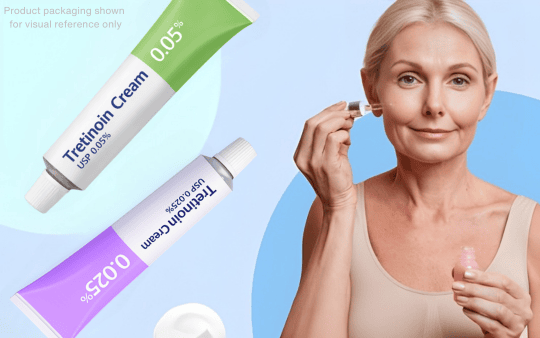

beauty and wrinkles

Beauty and Anti-aging

  • The Secret to Stunning Lashes: Try Latisse® Eyelash Serum
  • Say Goodbye to Acne and Wrinkles with Altreno
  • Tri Luma: the only FDA-approved treatment for melasma
  • Is tazarotene better than tretinoin for wrinkles?
  • Discover how to use tretinoin for wrinkles and anti-aging

Miiskin Logo

  • Facebook
  • Twitter
  • Pinterest

App Store Moles App

Google Play Moles App

For HCPs

Join the Miiskin network

Dermatologists using Miiskin

Pricing

Patient Engagement

Miiskin Features

FAQ for dermatologists

For patients

Find a dermatologist

Miiskin app

In-person vs. online dermatology

Apostrophe skincare alternative

Personalized compounded prescriptions

FAQ for patients

Company

About Miiskin

Educational Content

Media Kit & News

Contact

Careers

Visit the Mexican website

Miiskin is an online dermatology consultations platform that connects patients with independent dermatologists.

All consultations are provided by independent online dermatologists on a cash-pay-only basis. Miiskin does not practice medicine or pharmacy. Prescriptions, if medically appropriate, are sent to third-party pharmacies, which are paid directly for any medication. Medication images on the website are for illustrative purposes only and images of people are not actual patients. Medical information on miiskin.com is for informational purposes and not medical advice. Consult a healthcare provider for any concerns.

Verify Approval for Miiskin.com HIPAA Compliance Verification - Miiskin.com


Terms of Service · Privacy Information · Cookie Information · HIPAA · GDPR · Miiskin © 2026

Teledermatology Clinic OnlineNeed a tretinoin prescription?
Consult a dermatologist →