• Skip to primary navigation
  • Skip to main content
  • Skip to footer
Patient login
Provider login
MiiSkin Dermatology
Start Consultation

      • Arizona
      • Massachusetts
      • Pennsylvania
      • California
      • Michigan
      • Tennessee
      • Florida
      • New Jersey
      • Texas
      • Georgia
      • New York
      • Washington
      • Illinois
      • North Carolina
      • Virginia
      • Indiana
      • Ohio
      • More states

      • Acne
      • Genital warts
      • Pediatric
      • Anti-aging
      • Hair loss
      • PIH
      • Atopic dermatitis
      • Herpes
      • Rosacea
      • Dandruff
      • Hyperhidrosis
      • Scabies
      • Eczema
      • Jock itch
      • Shingles
      • Folliculitis
      • Impetigo
      • See more treatments
      • Fungal infections
      • Melasma

      • Skincare Rx
      • DHT Blockers
      • Metronidazole
      • Adapalene
      • Dutasteride
      • Minoxidil
      • Acyclovir
      • Finasteride
      • Spironolactone
      • Aklief
      • Hydroquinone
      • Tazarotene
      • Altreno
      • Isotretinoin
      • Top. spironolactone
      • Azelaic acid
      • Ivermectin
      • Tretinoin
      • Benzoyl peroxide
      • Ketoconazole 
      • Tri-Luma
      • Bimatoprost
      • Latisse
      • Valacyclovir
      • Clindamycin

      • Tretinoin
      • Isotretinoin
      • Adapalene
      • Seysara
      • Tazarotene
      • Doxycycline
      • Aklief
      • Benzoyl peroxide
      • Clindamycin
      • Dutasteride
      • Minocycline
      • Acne
      • Hair Loss
      • Anti-aging
      • Psoriasis
      • Hyperpigmentation
      • Other conditions
      • Online dermatology
      • Online vs In-Person
      • Miiskin vs Competitors
      • Customized Formulas
      • FDA-approved medications
Home / Online dermatologist / Genital wart treatment online

Get genital warts treatment online

Response time: 24 – 48 hours
Service available nationwide

Average online dermatologist response time from April–June 2026: 14.4 hours

  • Board-certified dermatologists
  • No medication subscriptions
  • Choice of generic or customized formulas
Start Consultation
Close-up of genital warts on skin and a man covering his face with his hand, representing the physical symptoms and emotional impact of genital warts.

Table of Content:
What are genital warts? | Signs and symptoms of genital warts | Can genital warts be treated online? | Choose a dermatologist | Medications commonly prescribed for genital warts | How to apply genital wart cream | Genital warts vs Herpes | FAQ


Dermatologist  Dr. Sarita Nori
Medically reviewed by:
Dr. Sarita Nori
Dermatologist
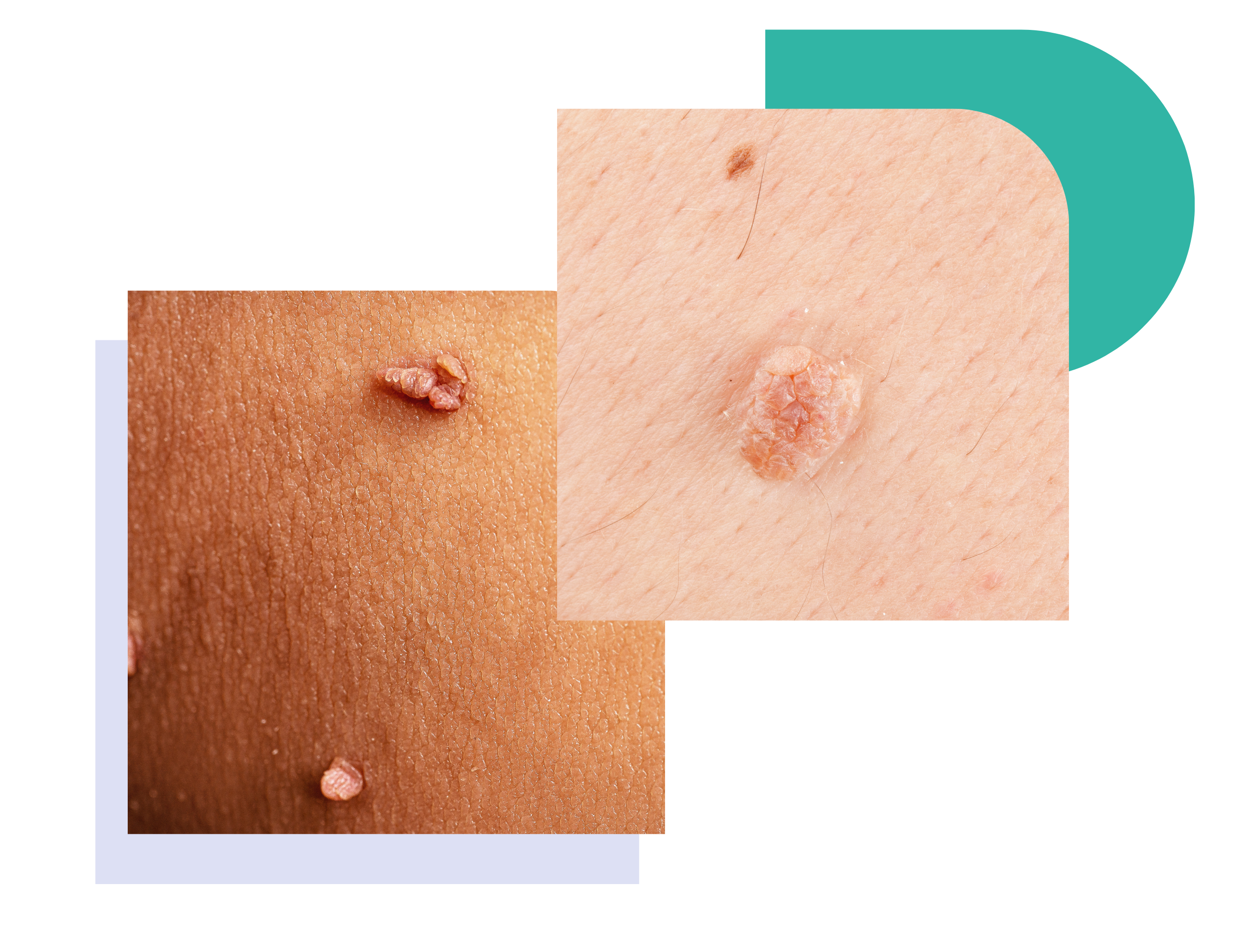
Close-up images of genital warts on skin.

What are genital warts?

Genital warts (condyloma acuminata) are a sexually transmitted infection caused primarily by human papillomavirus (HPV) types 6 and 11. Transmitted through skin-to-skin contact, most often during sexual activity, they may appear singly or in clusters on the genital or anal regions.1

Start consultation

Signs and symptoms of genital warts

  • Small, flesh-colored, pink, or gray bumps on the genital or anal area.
  • Flat, smooth spots or raised, rough growths (sometimes cauliflower-shaped).
  • May appear as a single wart or in clusters.
  • Can be tiny (millimeters) or larger.
  • Itching or mild irritation.
  • Discomfort during sex or when the area is rubbed.
  • Bleeding from friction if the wart is irritated.
  • Rarely, they may grow large enough to interfere with urination, bowel movements, or sexual activity2
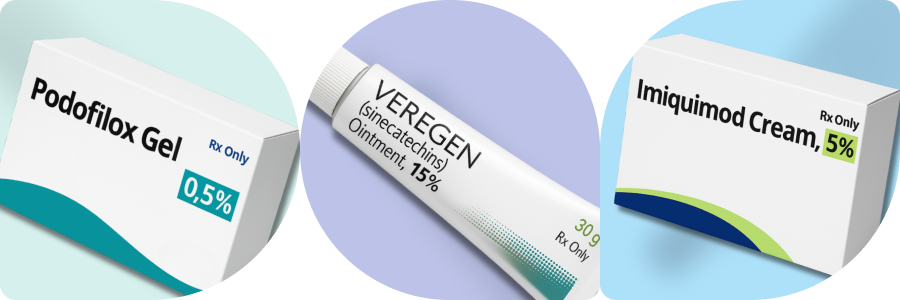
common medications for genital wart treatment

How to get genital wart treatment online?

Do you need a prescription for genital warts?

Yes, you need a topical prescription medication to treat genital warts.

How to get a prescription for genital warts online?

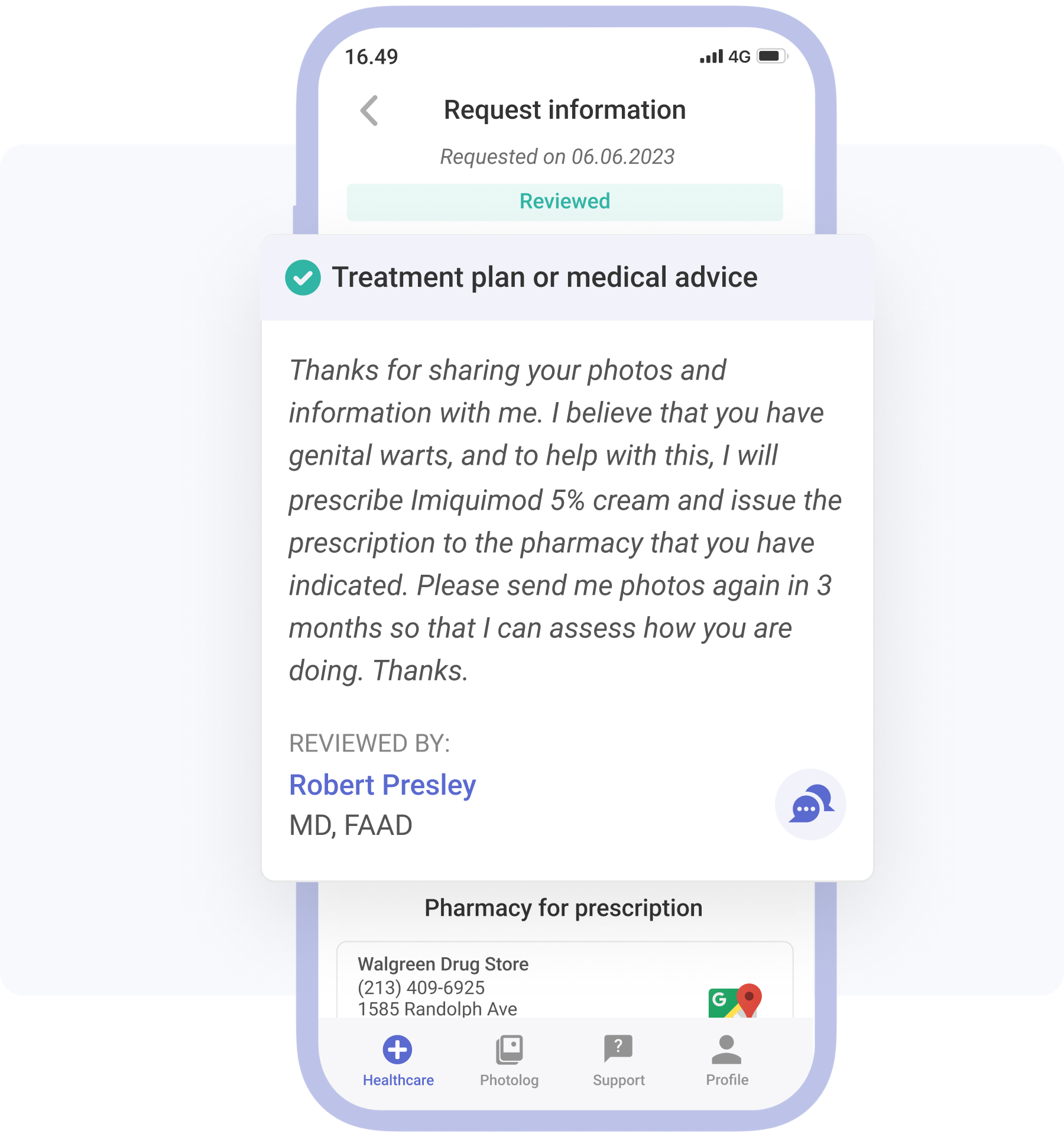
Have a consultation with a dermatologist via Miiskin. The dermatologist you choose via Miiskin will assess your condition and provide a prescription, if needed.

What is the price of getting genital warts treatment online?

Consultation price is between $39 – $69 depending on whether you are a new or returning patient. Then you need to buy your medication at a local pharmacy.

Start consultation
phone showing a prescription request for a genital warts and diagnosis from a doctor

Meet the board-certified dermatologists

Miiskin partners exclusively with board-certified dermatologists who have helped more than 200,000 people through telehealth.

Get a clear overview of our dermatologists, including where they’re licensed to practice, their experience, specialties, typical response time, and number of telehealth consultations completed.

Meet the dermatologists
Customized Treatment Backed by Science

What prescription drugs for genital warts can you request?

Commonly prescribed medications for genital warts.

Imiquimod 5% cream (Aldara)
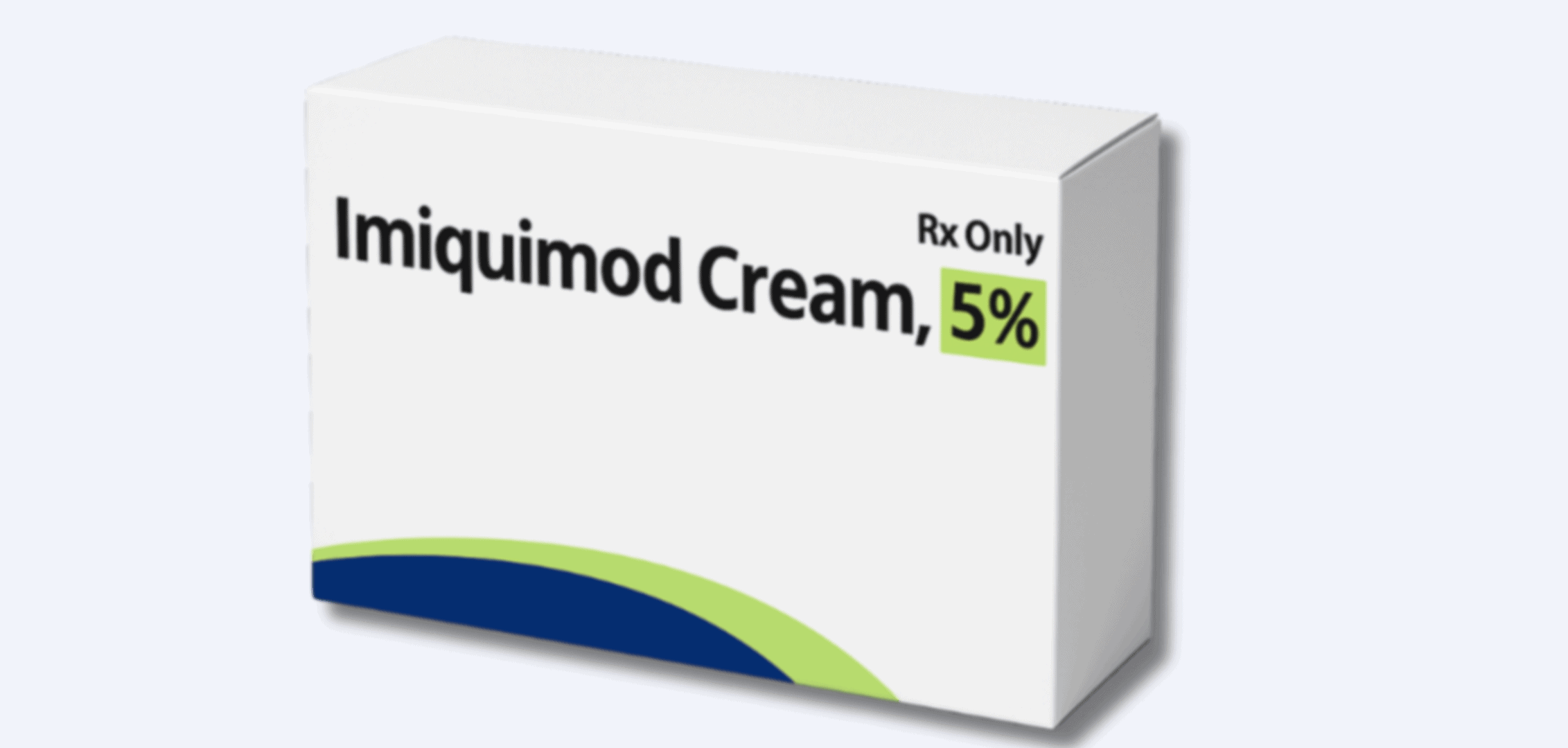
Imiquimod 5% cream (Aldara) – prescription medication for genital warts treatment

Podofilox 0.5% solution/gel (Condylox)
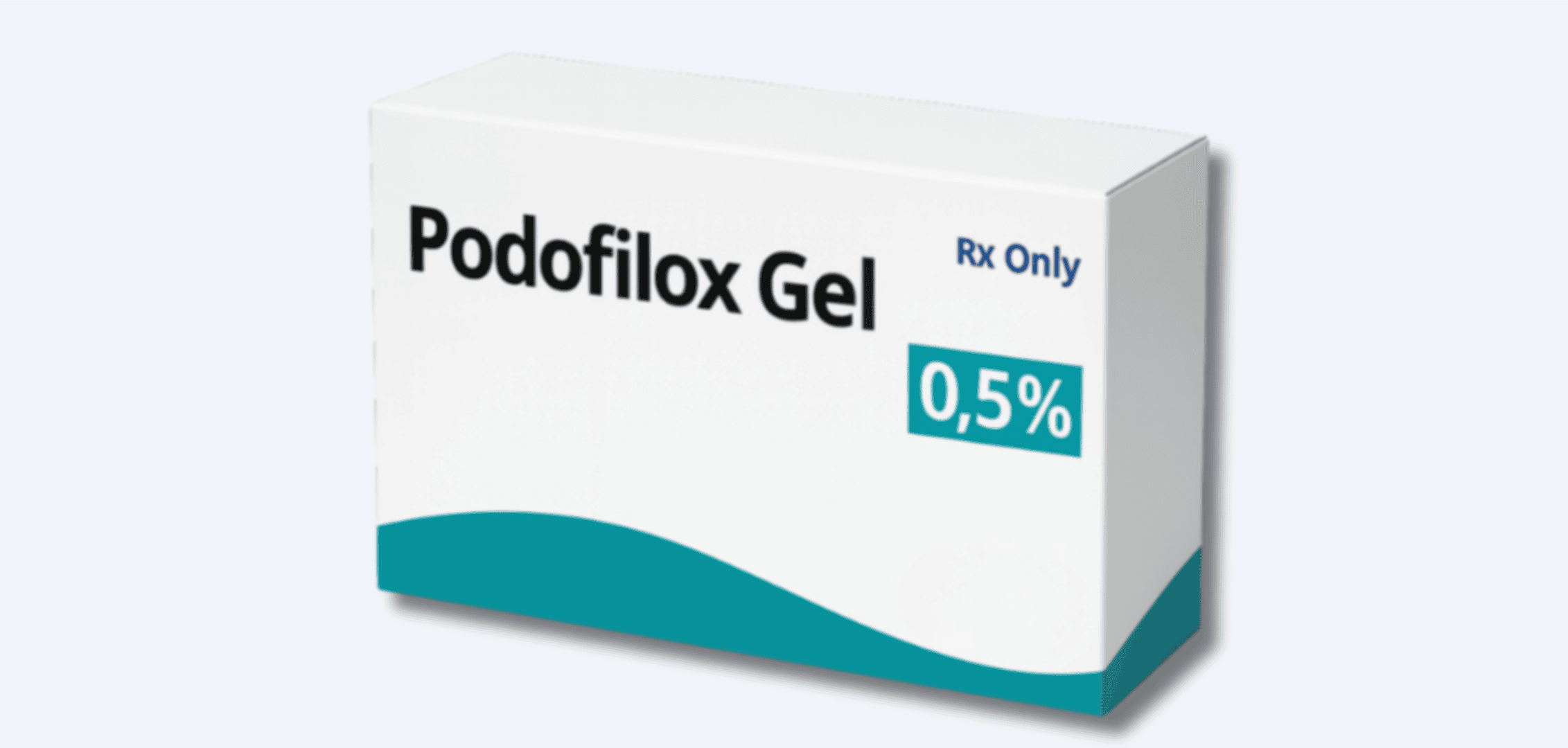
Podofilox 0.5% solution/gel (Condylox) for genital warts

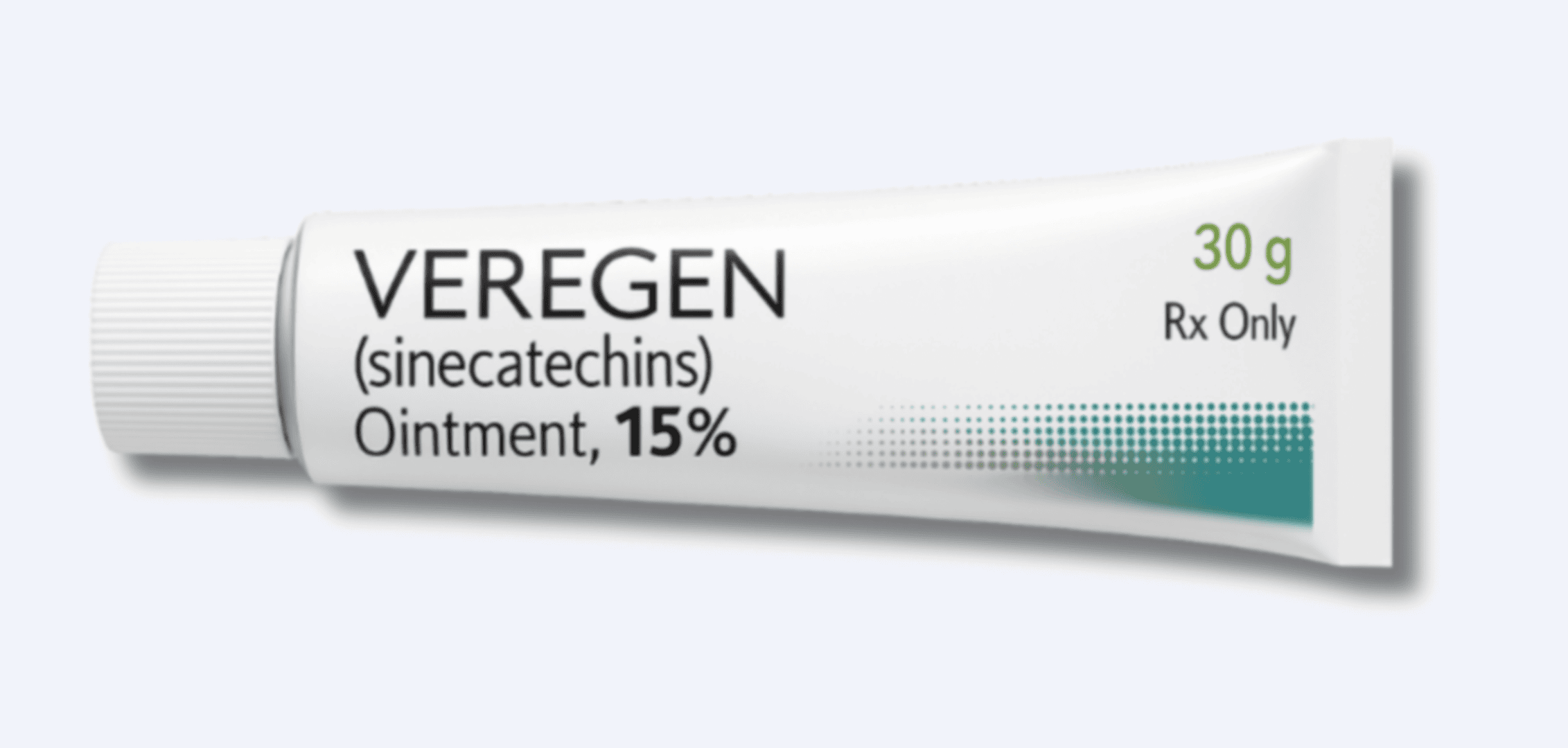
Sinecatechins 15% ointment (Veregen)

Sinecatechins 15% ointment for genital warts

How to use Tretinoin

How to apply topical treatment for genital warts?

Dr. Nori says you should always follow the instructions given by your dermatologist, but here are some general guidelines on how to apply the different genital wart treatments.

Before you start, wash and dry the area; consider a thin film of petroleum jelly on nearby healthy skin as a barrier. Wash hands before and after, and do not cover the affected area with band aids, and pause treatment if severe irritation occurs.

Dr. Nori emphasizes that you should only apply treatment to external warts only (not inside the vagina, cervix, urethra, or anus).

Step by step guide on how to administer self-treatment for genital warts

  • Prepare the area:
    Wash hands and gently clean and dry the affected skin. Treat only external warts—avoid applying inside the vagina, anus, urethra, or on broken skin.
  • Apply the medication:
    Using clean fingers or the provided applicator, place a thin layer of the cream, gel, or solution directly on the wart surface only, avoiding healthy surrounding skin. Rub it gently, if directed. You can apply Vaseline around the area to protect nearby skin from the medication.
  • Leave on for the recommended time:
    Depending on the medication, this may range from several hours to overnight. Always follow the schedule provided by your online dermatologist when they write your prescription (e.g., certain days per week or nightly use).
  • Wash off if required:
    Some treatments should be washed off after the set time using mild soap and water, while others are left on until your next washing.
  • Follow the correct treatment cycle:
    Some medications are applied daily, others only a few times per week, and some follow an “on/off” cycle (e.g., 3 days on, 4 days off). Continue for the full prescribed duration or until warts clear, without exceeding the maximum number of weeks recommended.
  • Manage irritation:
    Mild redness or soreness can occur. If irritation is severe, pause treatment for a few days and restart once the skin improves. You can apply a thin layer of vaseline or Aquaphor to the inflamed areas to facilitate healing.

Important safety notes

Do not use more than the instructed amount, do not treat large areas beyond the product guidelines, and avoid sexual contact while medication is on the skin. Some treatments are not safe in pregnancy—always confirm with your dermatologist

When to consult your doctor

Dr. Nori explains that if there’s no meaningful improvement after a full course, if your warts bleed easily, or if you have severe reactions, you should reach out to your online dermatologist to discuss the next steps.

Genital warts vs Herpes

Aspect
Genital Warts
Genital Herpes
Cause
Human papillomavirus (HPV), usually low-risk types (HPV 6 and 11).
Herpes simplex virus (HSV), most often HSV-2, sometimes HSV-1.
Onset after infection
Weeks to months.
2–12 days.
Location
External genitals, anus, groin, and sometimes mouth/throat.
Genitals, anus, buttocks, inner thighs, mouth, and lips.
Transmission
Skin-to-skin sexual contact with infected area, even without visible warts.
Skin-to-skin contact with infected area, often during sexual activity; virus sheds even without sores.

Symptoms & Recurrence

Appearance
Small, flesh-colored or whitish bumps; may be flat, raised, or cauliflower-shaped.
Painful blisters or sores that start as red spots, then form fluid-filled vesicles, then crust over.
Symptoms
Usually painless; may itch or cause mild discomfort.
Pain, itching, burning, tingling before lesions; may be accompanied by flu-like symptoms during the first outbreak.
Recurrence
Warts may recur after removal; frequency varies.
Outbreaks recur periodically; frequency varies by person.

Diagnosis & Treatment

Diagnosis
Usually by visual exam; biopsy if unclear.
Visual exam, PCR test, or viral culture from sores.
Treatment
Topical or provider-applied wart removal (e.g., cryotherapy, acids, surgery); no cure for HPV itself.
Oral antivirals (acyclovir, valacyclovir, famciclovir) to shorten outbreaks and reduce recurrences; no cure for HSV.
Prevention
HPV vaccination, condom use, avoiding sexual contact during outbreaks.
Condom use, suppressive antiviral therapy, avoiding sexual contact during outbreaks.

Risk

Cancer risk
Low-risk HPV types cause warts but are not linked to cancer; high-risk HPV types (different from wart types) can cause cancer.
HSV is not linked to cancer, but sores may increase susceptibility to other STIs.

Get a prescription for genital warts via Miiskin

  1. Select “Start consultation” to sign up.
  2. Fill out the consultation form and take photos of your skin.
  3. Get an answer from an online dermatologist in your state.
  4. Buy medication affordably from the pharmacy of your choice.
Start consultation
Buy prescription medicine

FAQ about genital warts treatment

Dr. Sarita Nori answers the most popular questions about genital warts, and treatments.

How are genital warts transmitted?

According to Dr. Nori, genital warts are caused by certain strains of human papillomavirus (HPV), most commonly types 6 and 11, and are transmitted through direct skin-to-skin contact with an infected area. This contact usually occurs during vaginal, anal, or oral sexual activity, but it does not require penetration to spread—the virus can be passed from one person to another whenever mucous membranes or microscopic skin abrasions come into contact. Because HPV can be present on skin that appears completely normal, transmission can occur even when there are no visible warts. Dr. Nori stresses that condoms reduce the risk but cannot offer complete protection, as they do not cover all potentially infected skin. She also points out that HPV can be transmitted from a person who is unaware they are infected, which explains its high prevalence worldwide.

Can you have genital warts and not know it?

Dr. Nori notes that it is entirely possible to have genital warts—or more specifically, an HPV infection—without realizing it. Warts may be so small, flat, or skin-colored that they are not noticed, or they may be hidden inside the vagina, on the cervix, within the anal canal, or under the foreskin of the penis. In some cases, HPV infection never produces visible warts at all, but the virus remains in the skin and can still be transmitted to partners. She emphasizes that this silent nature is why HPV spreads so easily, and why regular sexual health check-ups, especially PAP smears, are important for sexually active individuals, even if they have no symptoms.

Is there a cure for genital warts?

Dr. Nori explains that while there are multiple effective treatments for removing the visible lesions caused by HPV, there is no medication or procedure that can guarantee complete elimination of the virus from the body. The immune system plays the key role in controlling HPV, and in many cases, the infection becomes inactive and undetectable over time—often within two years. However, some individuals may experience recurrences months or even years later, especially if their immune system becomes compromised. Treatments such as topical therapies, cryotherapy, and surgical removal focus on clearing visible growths, relieving symptoms, and reducing the risk of transmission, but they cannot ensure the virus is gone forever.

Do genital warts come back?

Dr. Nori explains that recurrence is common, particularly within the first three to six months after initial treatment, because the virus may remain in the surrounding skin even after the warts themselves are removed. Over time, the immune system may suppress HPV to the point that new lesions stop forming, but this varies widely between individuals. Factors that can increase the risk of recurrence include a weakened immune system, smoking, and co-infection with other sexually transmitted infections. She reassures patients that recurrent outbreaks often become less frequent and less severe as the body builds immunity to the virus.

Can I still have sex if I have genital warts?

Dr. Nori acknowledges that many patients are concerned about intimacy after a diagnosis. She explains that while sexual activity is physically possible, it carries a risk of transmitting HPV to a partner even if no warts are visible. Condoms can reduce—but not eliminate—this risk, and open communication with partners is important. In some cases, she recommends abstaining from sexual contact until visible lesions are treated and healed, especially during active outbreaks or during treatment, to lower the risk of spread and avoid irritation. She also notes that partners may wish to discuss HPV vaccination with their healthcare provider for added protection.

How long do genital warts last?

Dr. Nori explains that the duration of genital warts can vary significantly. Without treatment, some warts resolve spontaneously within months as the immune system controls the infection, while others may persist for years. With treatment, individual warts can often be cleared within a few weeks, but multiple treatment sessions are sometimes required. She adds that even when warts disappear, the underlying virus may remain dormant, meaning new lesions can develop in the future.

Are genital warts dangerous?

According to Dr. Nori, genital warts themselves are benign. However, their presence indicates an HPV infection, and while types 6 and 11 are considered “low-risk” for malignancy, it is possible for a person to be co-infected with high-risk HPV types that are associated with cervical, anal, penile, or throat cancers. For this reason, she stresses the importance of regular Pap smears, HPV testing, and appropriate screening based on a patient’s anatomy and risk factors.

Can I get a genital warts prescription online?

Dr. Nori explains that in some cases, prescriptions for topical treatments such as imiquimod, podofilox, or sinecatechins can be provided through an online consultation if the dermatologist is confident in the diagnosis based on photos and history. However, she emphasizes that in some cases, you may be referred to an in-person dermatologist.

Can genital warts be passed through oral sex?

Dr. Nori confirms that HPV strains causing genital warts can be transmitted through oral-genital contact, although this is less common than genital-to-genital transmission. In such cases, warts can develop in the mouth, throat, or lips, and HPV can also cause oral infections without visible lesions. She advises that barrier methods like condoms or dental dams during oral sex can reduce the risk of transmission.

What triggers genital warts?

Dr. Nori explains that the appearance of genital warts depends on a combination of viral activity and the body’s immune response. Even after HPV infection, warts may not appear for weeks, months, or even years. Outbreaks are more likely when the immune system is weakened—due to stress, illness, poor nutrition, smoking, or immunosuppressive medications. She notes that some people never develop warts despite carrying the virus, while others may experience multiple recurrences.

What is the most effective way to prevent getting human papillomavirus?

Dr. Nori emphasizes that HPV vaccination is the single most effective preventive measure, protecting against both low-risk types that cause warts and high-risk types linked to cancers. Vaccination is most effective when given before the onset of sexual activity but can still offer benefits later. In addition, consistent condom use, limiting the number of sexual partners, and avoiding sexual contact with anyone who has visible lesions further reduce the risk of transmission.

What are the risk factors for genital warts?

According to Dr. Nori, the likelihood of developing genital warts increases with behaviors or conditions that facilitate HPV exposure or weaken immune defenses. Risk factors include unprotected sex, having multiple partners, a history of other sexually transmitted infections, and smoking. Immunosuppression from conditions such as HIV or medications like steroids also increases susceptibility.

How are genital warts treatments applied?

Dr. Nori explains that patient-applied topical medications, such as imiquimod or podofilox, are used over several weeks to stimulate the immune system or destroy wart tissue. She adds that follow-up is essential, as multiple treatments are often needed to fully clear the lesions.

How to prevent genital warts?

Dr. Nori advises that prevention begins with HPV vaccination, which significantly lowers the risk of both genital warts and HPV-related cancers. Safer sex practices—including consistent condom use and limiting the number of partners—help reduce exposure. She also recommends regular sexual health checkups, prompt treatment of any suspicious lesions, and avoiding sexual contact when warts are present to minimize the risk of spread.

What’s the difference between genital warts and herpes?

Dr. Nori clarifies that genital warts are caused by HPV and appear as raised, often painless growths on the skin, while genital herpes is caused by the herpes simplex virus and presents with clusters of painful blisters that break into sores before healing. The viruses are unrelated, spread in slightly different ways, and require different treatments—herpes can be suppressed with antiviral medication, whereas genital warts are treated by physically or chemically removing the lesions.

Is it possible to get an anus wart cream online?

Yes. If you have external anal or perianal warts, an online dermatologist may prescribe a topical genital wart treatment after reviewing your symptoms and photos. Prescription options include imiquimod cream, podofilox gel or solution, and sinecatechins ointment.

These medications are intended for external warts and should not be applied inside the anus. If you have warts inside the anal canal, or if an online dermatologist cannot confirm the diagnosis from photos, you may need an in-person examination and treatment.

What is the best treatment for anogenital warts?

There is no single best treatment for anogenital warts. The right treatment depends on the size, number and location of the warts, as well as your preferences and medical history.

For external anogenital warts, prescription treatments that can be used at home include imiquimod cream, podofilox gel or solution, and sinecatechins ointment. Other options, such as cryotherapy, surgical removal or treatment with trichloroacetic acid (TCA), are performed by a healthcare professional.

A dermatologist  can help determine which treatment is most appropriate for you. Warts located inside the anus, vagina, cervix or urethra generally require in-person evaluation and treatment.

Is it possible to get HPV treatment online?

Yes. While there is no medication that eliminates HPV itself, certain conditions caused by HPV, such as external genital and anal warts, can be treated with prescription medication.

Through an online consultation, a healthcare provider may prescribe treatments such as imiquimod cream, podofilox gel or solution, or sinecatechins ointment when appropriate. These treatments can be applied at home to external anogenital warts.

Some warts, including those located inside the anus, vagina, cervix or urethra, may require an in-person examination and treatments such as cryotherapy or surgical removal.

Do genital warts go away on their own?

Yes, genital warts can sometimes go away on their own however, however, prescription treatment is recommended to avoid the spread.

References:
1https://www.ncbi.nlm.nih.gov/books/NBK441884/
2https://www.mayoclinic.org/diseases-conditions/genital-warts/symptoms-causes/syc-20355234

Teledermatology Clinic Online Genital warts? Get treated discreetly.
Consult a dermatologist →

MiiSkin Dermatology

  • Facebook
  • Twitter
  • Pinterest

Miiskin App

Miiskin App

For HCPs

Join the Miiskin network

Dermatologists using Miiskin

Pricing

Patient Engagement

Miiskin Features

FAQ for dermatologists

For patients

Find a dermatologist

Miiskin app

In-person vs. online dermatology

Apostrophe skincare alternative

Miiskin Reviews

FAQ for patients

Company

About Miiskin

Educational Content

Media Kit & News

Contact

Careers

Visit the Mexican website

Miiskin is an online dermatology consultations platform that connects patients with independent dermatologists.

All consultations are provided by independent online dermatologists on a cash-pay-only basis. Miiskin does not practice medicine or pharmacy. Prescriptions, if medically appropriate, are sent to third-party pharmacies, which are paid directly for any medication. Medication images on the website are for illustrative purposes only and images of people are not actual patients. Medical information on miiskin.com is for informational purposes and not medical advice. Consult a healthcare provider for any concerns.

Verify Approval for Miiskin.com HIPAA Compliance Verification - Miiskin.com


Terms of Service · Privacy Information · Cookie Information · HIPAA · GDPR · Miiskin © 2026