
A complete guide to FDA-approved dermatology medications
Dr. Amit Om explains how FDA-approved dermatology medications work, when dermatologists prescribe them, and whether they may be the right treatment option for your skin condition.

Table of Content:
Benefits | When are they prescribed? | Why are they prescribed? | Commonly prescribed medications in dermatology | FDA-approved vs. customized | How to get an online prescription? | FAQ
What are FDA-approved dermatology medications?
Dr. Amit Om, board-certified dermatologist at Miiskin, says that FDA-approved dermatology medications are prescription treatments that have been reviewed and approved by the U.S. Food and Drug Administration (FDA) for specific medical conditions. Before approval, these medications undergo rigorous clinical testing to evaluate their safety, effectiveness, and manufacturing quality.
FDA-approved medications are often the starting point for treatment because they have been specifically reviewed and approved by the FDA for certain skin conditions. However, dermatologists may also prescribe medications off-label when clinical evidence and professional experience support their effectiveness for a particular patient.
FDA-approved treatments are commercially manufactured in standardized formulations and strengths, ensuring consistency, quality, and reliability from one prescription to the next.
Benefits of FDA-approved dermatology medications
FDA-approved dermatology medications offer a wide range of benefits:
- Proven effectiveness: These medications have been evaluated in clinical studies for specific skin conditions.
- Predictable treatment plans: Dermatologists can rely on established treatment guidelines and dosing recommendations.
- Easy access: Most of these medications are available at any local or online pharmacy in the country.
- Long-term safety data: Many commonly prescribed dermatology medications have been studied for years or even decades.
- Affordability: If a generic is available, they tend to be the most affordable option.
- Potential insurance coverage: Depending on your insurance plan, FDA-approved medications may be covered by your health insurance.
When do dermatologists prescribe FDA-approved medications?
Board-certified dermatologists frequently start treatment with FDA-approved medications because they are widely available, well-studied, and supported by clinical evidence.
Your dermatologist may recommend an FDA-approved treatment when:
- You have a common skin concern: Highly effective FDA-approved treatment options are available for most common skin concerns.
- You are starting treatment for the first time: If you are experiencing a skin problem for the first time, your dermatologist may want to try what has worked for others in the past. FDA-approved options often provide a reliable starting point.
- You want easy access to your medication: FDA-approved prescriptions can usually be filled at neighborhood pharmacies, making them convenient and easy to access.
- You want the most affordable option: Many FDA-approved medications may be covered by insurance plans, potentially reducing out-of-pocket costs. Combined with the availability of generic alternatives, FDA-approved treatments are often among the most affordable prescription options in dermatology.
Why dermatologists often prescribe FDA-approved medications
FDA-approved treatments remain the foundation of dermatologic care because they offer several advantages.
- Extensive clinical research: FDA-approved medications undergo rigorous testing before becoming available to patients. This process helps establish effectiveness, appropriate dosing, common side effects, and long-term safety information.
- Consistent formulations: Each prescription contains standardized ingredients and strengths, ensuring consistency between refills.
- Broad availability: Most FDA-approved medications can be obtained through local pharmacies, mail-order pharmacies, and national pharmacy chains.
Commonly prescribed FDA-approved medications used in dermatology
| Medication | FDA-approved use | Off-label dermatology use | Customized version available |
| Adapalene | Acne vulgaris | Photoaging, Hyperpigmentation, Flat warts, Keratosis pilaris | Yes |
| Acyclovir | Herpes simplex, Herpes zoster, Varicella | Recurrent erythema multiforme prevention, Eczema herpeticum prophylaxis | No |
| Aklief (trifarotene) | Acne vulgaris | Photoaging, Hyperpigmentation, Ichthyosis | No |
| Azelaic acid | Acne vulgaris, Rosacea (papulopustular) | Melasma, Post-inflammatory hyperpigmentation (PIH), Hyperpigmentation | Yes |
| Benzoyl peroxide | Acne vulgaris | Folliculitis, Hidradenitis suppurativa (adjunct), Tinea versicolor adjunct | Yes |
| Bimatoprost / Latisse | Eyelash hypotrichosis | Eyebrow growth, Scalp hair loss, Alopecia areata (lash/brow) | No |
| Brimonidine | Persistent facial erythema of rosacea | Other causes of facial redness, Transient facial flushing | No |
| Calcipotriene | Plaque psoriasis | Vitiligo (combined with topical steroids or phototherapy), Morphea, Ichthyosis | Yes |
| Clindamycin | Acne vulgaris (topical) | Rosacea, Perioral dermatitis, Hidradenitis suppurativa, Folliculitis | yes |
| Doxycycline | Rosacea, Acne (certain formulations) | Perioral dermatitis, Hidradenitis suppurativa, Bullous pemphigoid (adjunct) | No |
| Finasteride | Male androgenetic alopecia | Female pattern hair loss, Hirsutism, Hidradenitis suppurativa adjunct | Yes |
| Hydrocortisone | Inflammatory skin conditions, Eczema / dermatitis | Facial dermatitis, Insect bites, Irritant contact reactions | Yes |
| Isotretinoin | Severe nodular acne | Hidradenitis suppurativa, Rosacea, Gram-negative folliculitis, Dissecting cellulitis, Sebaceous hyperplasia, Lamellar ichthyosis | No |
| Ivermectin | Rosacea (topical), Strongyloidiasis & onchocerciasis (oral) | Demodex-associated skin conditions, Scabies (topical), Pediculosis | Yes |
| Ketoconazole | Seborrheic dermatitis, Dandruff, Fungal skin infections | Pityrosporum folliculitis, Androgenetic alopecia adjunct, Maintenance for seborrheic dermatitis | Yes |
| Metronidazole | Rosacea (topical) | Perioral dermatitis, Steroid-induced rosacea, Demodicosis | Yes |
| Minocycline | Acne vulgaris, Rosacea (certain formulations) | Perioral dermatitis, Bullous pemphigoid adjunct, Hidradenitis suppurativa | No |
| Minoxidil | Androgenetic alopecia (topical), Hypertension (oral) | Alopecia areata, Telogen effluvium, Chemotherapy-induced alopecia, Lichen planopilaris adjunct, Eyebrow / beard growth | Yes |
| Mometasone | Inflammatory skin conditions, Eczema / dermatitis | Lichen sclerosus, Alopecia areata, Numerous inflammatory skin conditions | No |
| Oxymetazoline HCl | Persistent facial erythema of rosacea | Other causes of facial redness | Yes |
| Pimecrolimus | Atopic dermatitis (eczema) | Seborrheic dermatitis, Perioral dermatitis, Vitiligo, Facial/eyelid eczema | No |
| Tacrolimus | Moderate-to-severe atopic dermatitis | Vitiligo, Facial / eyelid eczema, Seborrheic dermatitis, Perioral dermatitis, Lichen planus | No |
| Tazarotene | Acne vulgaris, Plaque psoriasis, Photoaging (facial) | Ichthyosis, Basal cell carcinoma adjunct, Keratosis follicularis, Hyperpigmentation | Yes |
| Tretinoin | Acne vulgaris, Photoaging (fine wrinkles, mottled hyperpigmentation, skin roughness) | Melasma, Post-inflammatory hyperpigmentation, Striae distensae, Flat warts, Keratosis pilaris | Yes |
| Tri-Luma | Melasma (short-term) | PIH, Solar lentigines, Lichen planus pigmentosus | No |
| Triamcinolone | Inflammatory skin conditions, Eczema / dermatitis | Alopecia areata (intralesional), Keloids, Hypertrophic scars, Lichen planus | Yes |
| Valacyclovir | Herpes labialis, Genital herpes, Herpes zoster, Varicella (pediatric) | Erythema multiforme suppression, Eczema herpeticum, Herpes-associated lichen planus | No |
Dermatology medications commonly prescribed off-label through Miiskin
| Medication | Common off-label dermatology use | Customized version available |
| Dutasteride | Androgenetic alopecia (hair loss) | Yes |
| Spironolactone | Female acne, female pattern hair loss, hirsutism | Yes |
| Tranexamic acid | Melasma, hyperpigmentation | Yes |
| Hydroquinone | Melasma, hyperpigmentation, PIH | Yes |
| Latanoprost | Eyelash growth, eyebrow growth, scalp hair loss | Yes |
| Kojic acid | Melasma, hyperpigmentation | Yes |
What is the difference between FDA-approved and customized dermatology medications?
FDA-approved medications are standardized treatments that have been reviewed by the FDA for safety and effectiveness. Customized medications are dermatologist-prescribed formulas tailored to your individual skin needs. They may contain FDA-approved ingredients, but the custom formulation itself is not FDA-approved.
| FDA-approved medications | Customized medications | |
| Regulatory review | Reviewed and approved by the FDA | Prepared under pharmacy regulations; not reviewed by the FDA as a finished product. |
| Formulation | Manufactured at standardized strengths | Customized for individual patients |
| Availability | Available at most retail pharmacies | Prepared by specialized compounding pharmacies |
| Evidence base | Supported by clinical trial data for approved uses | Personalized based on dermatologist recommendations |
| Flexibility | Fixed formulations | Flexible ingredient combinations |
In addition to FDA-approved medications, through Miiskin you can also get access to customized formulas for your skin or hair with up to five ingredients carefully selected by your dermatologist that are a tailor-made just for you.
View a list of customized formulas for skin available through Miiskin →
View a list of customized formulas for hair loss available through Miiskin →
How to get an FDA-approved dermatology prescription online
Getting treatment online is simple.
Step 1: Complete an online consultation via Miiskin. Upload photos and answer questions about your skin concern.
Step 2: Receive a dermatologist review. A board-certified dermatologist reviews your medical history, symptoms, and images.
Step 3: Get a treatment recommendation. If appropriate, your dermatologist will prescribe an FDA-approved medication.
Step 4: Fill your prescription. Depending on your treatment plan, you can pick up your medication at a local pharmacy or use a mail-order service.
Through Miiskin, dermatologists can prescribe FDA-approved medications electronically and send prescriptions directly to pharmacies nationwide.
Looking for a specific treatment? Browse the FDA-approved medications commonly prescribed by dermatologists.
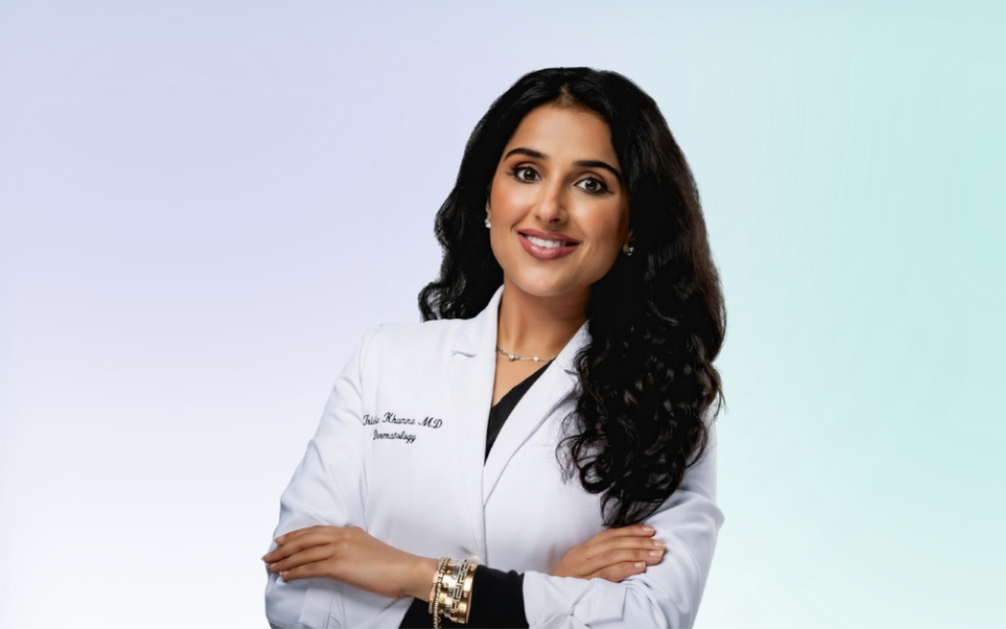
Dermatologists Accepting New Patient Appointments
Article references:
https://www.ncbi.nlm.nih.gov/books/NBK546576/
https://jddonline.com/articles/azelaic-acid-evidence-based-update-on-mechanism-of-action-and-clinical-application-S1545961615P0964X/
https://pubmed.ncbi.nlm.nih.gov/17945383/
https://pubmed.ncbi.nlm.nih.gov/19793297/
https://pubmed.ncbi.nlm.nih.gov/23839181/
https://pubmed.ncbi.nlm.nih.gov/14988684/
https://pubmed.ncbi.nlm.nih.gov/31958797/
https://pubmed.ncbi.nlm.nih.gov/28396101/
https://www.fda.gov/drugs/postmarket-drug-safety-information-patients-and-providers/isotretinoin-capsule-information
https://pubmed.ncbi.nlm.nih.gov/27861693/
https://www.ncbi.nlm.nih.gov/pmc/articles/PMC3050595/
https://pubmed.ncbi.nlm.nih.gov/33818251/
https://pubmed.ncbi.nlm.nih.gov/15858471/
https://pubmed.ncbi.nlm.nih.gov/11735711/
https://www.accessdata.fda.gov/drugsatfda_docs/label/2000/19963S5,7LBL.PDF
https://pubmed.ncbi.nlm.nih.gov/35044466/
https://pubmed.ncbi.nlm.nih.gov/28218279/
https://pubmed.ncbi.nlm.nih.gov/28247574/
https://www.ncbi.nlm.nih.gov/pmc/articles/PMC4228636/
Interested in learning more about prescription skincare companies?
Best online services for prescription skincare in 2026
How to replace my Dermatica azelaic acid formula
Dermatica has shut down what to do next?
Apostrophe vs Curology vs Miiskin
Need an alternative to Curology's tretinoin?
Best telehealth services to get Latisse
Need an alternative to Nurx tretinoin?
Miiskin and Foothills Pharmacy, a partnership that works

Need an emergency dermatologist?
Via Miiskin you can consult a same-day dermatologist and get an answer in 1-2 days. All from the comfort of your home.




 Need customized prescription skincare?