
Get a clindamycin (Cleocin) prescription
*Average online dermatologist response time from July-September 2026: 18.6 hours
- Board-certified dermatologists
- No medication subscriptions
- Choice of generic or customized formulas
Clindamycin is commonly prescribed as part of treatment for the conditions below.


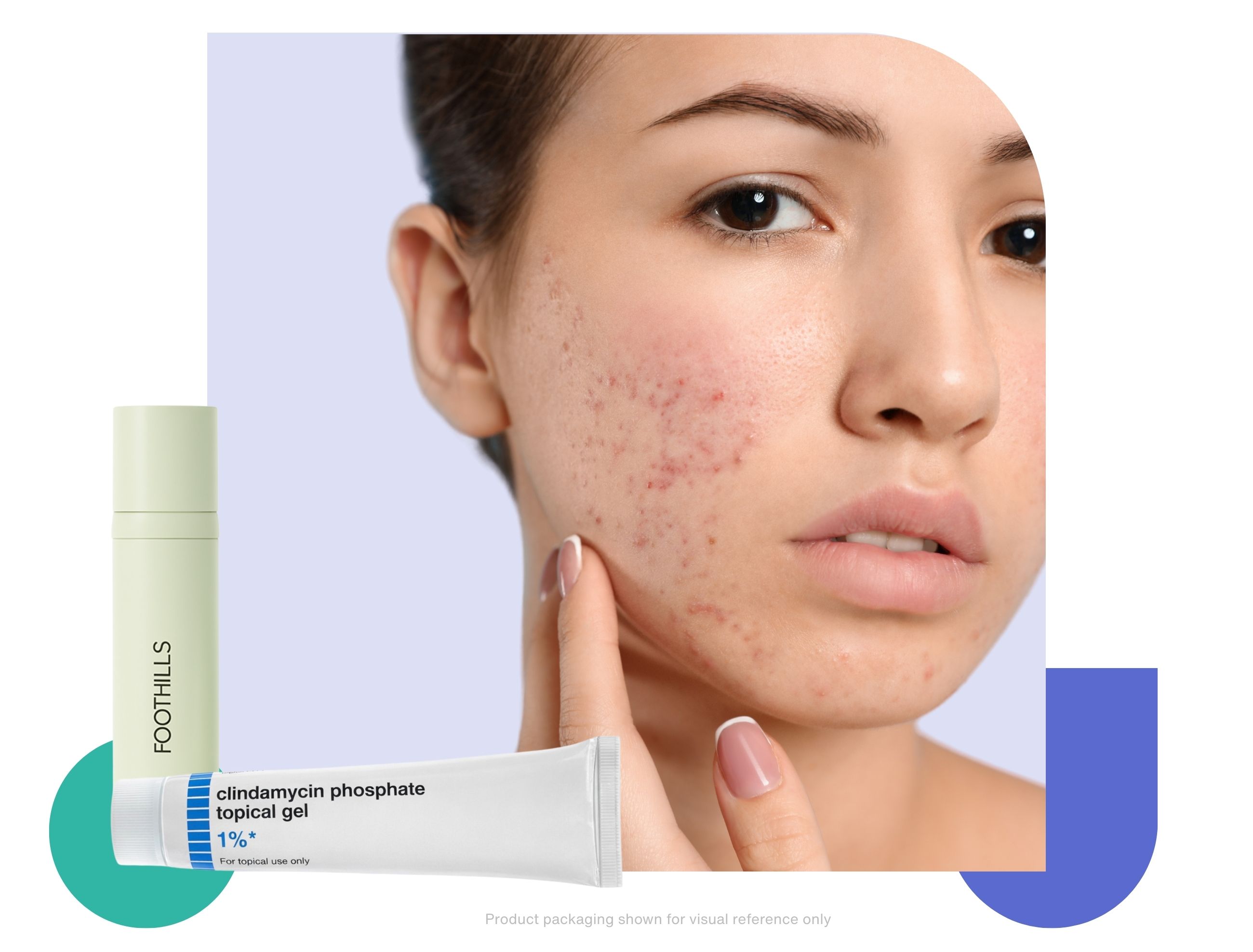
What is clindamycin and what is it used for?
Topical clindamycin, also known as Cleocin, is a prescription antibiotic medication applied directly to the skin.
It is primarily used to treat acne, especially inflammatory acne with red bumps, pustules, and tenderness. Topical clindamycin works by reducing acne-causing bacteria on the skin and helping to calm inflammation.
In some cases, topical clindamycin may also be used to treat folliculitis and mild, localized bacterial skin infections caused by susceptible bacteria. Because it acts locally with minimal absorption into the bloodstream, it is commonly chosen for skin conditions that do not require oral antibiotics.
Clindamycin RX
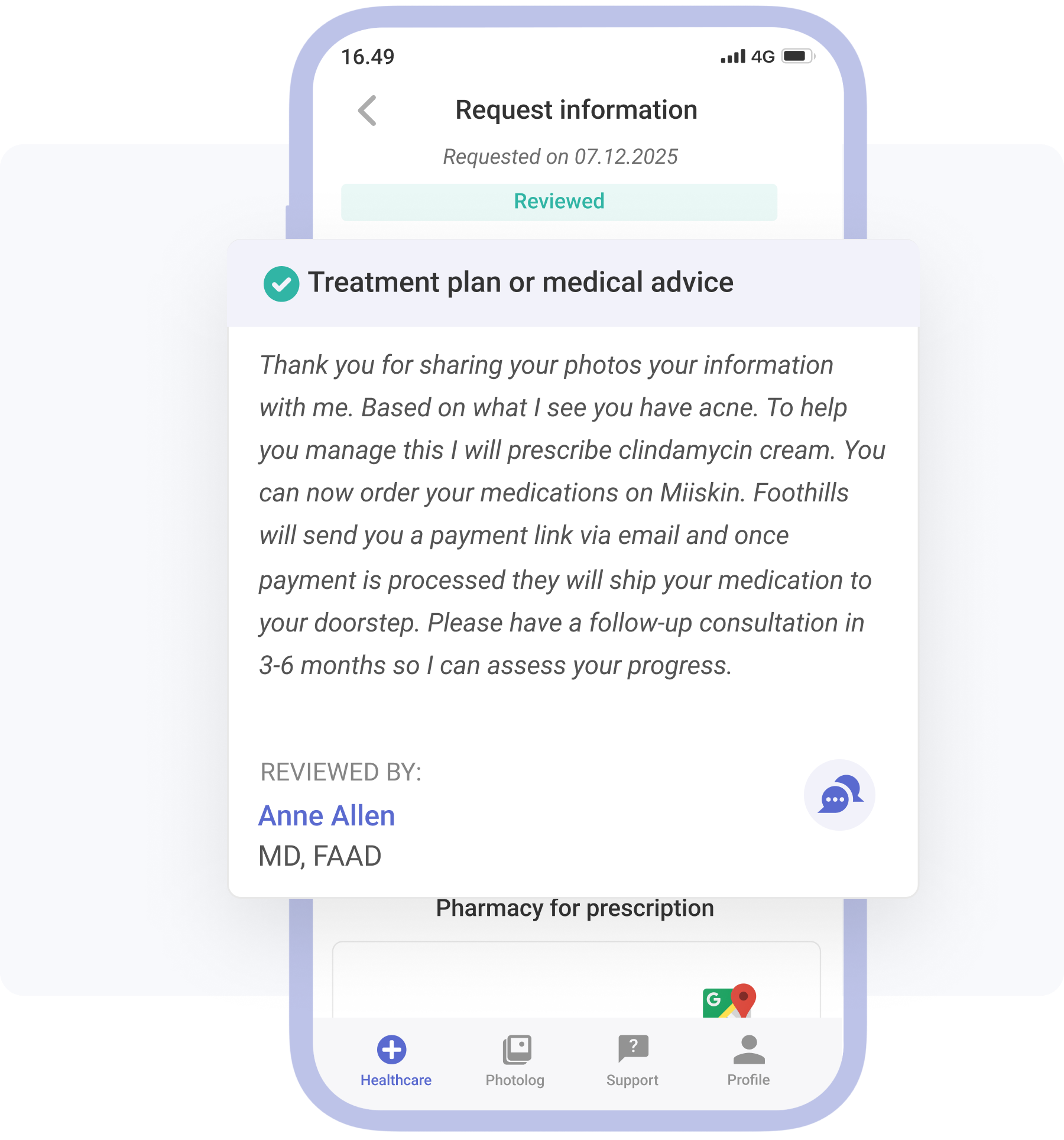
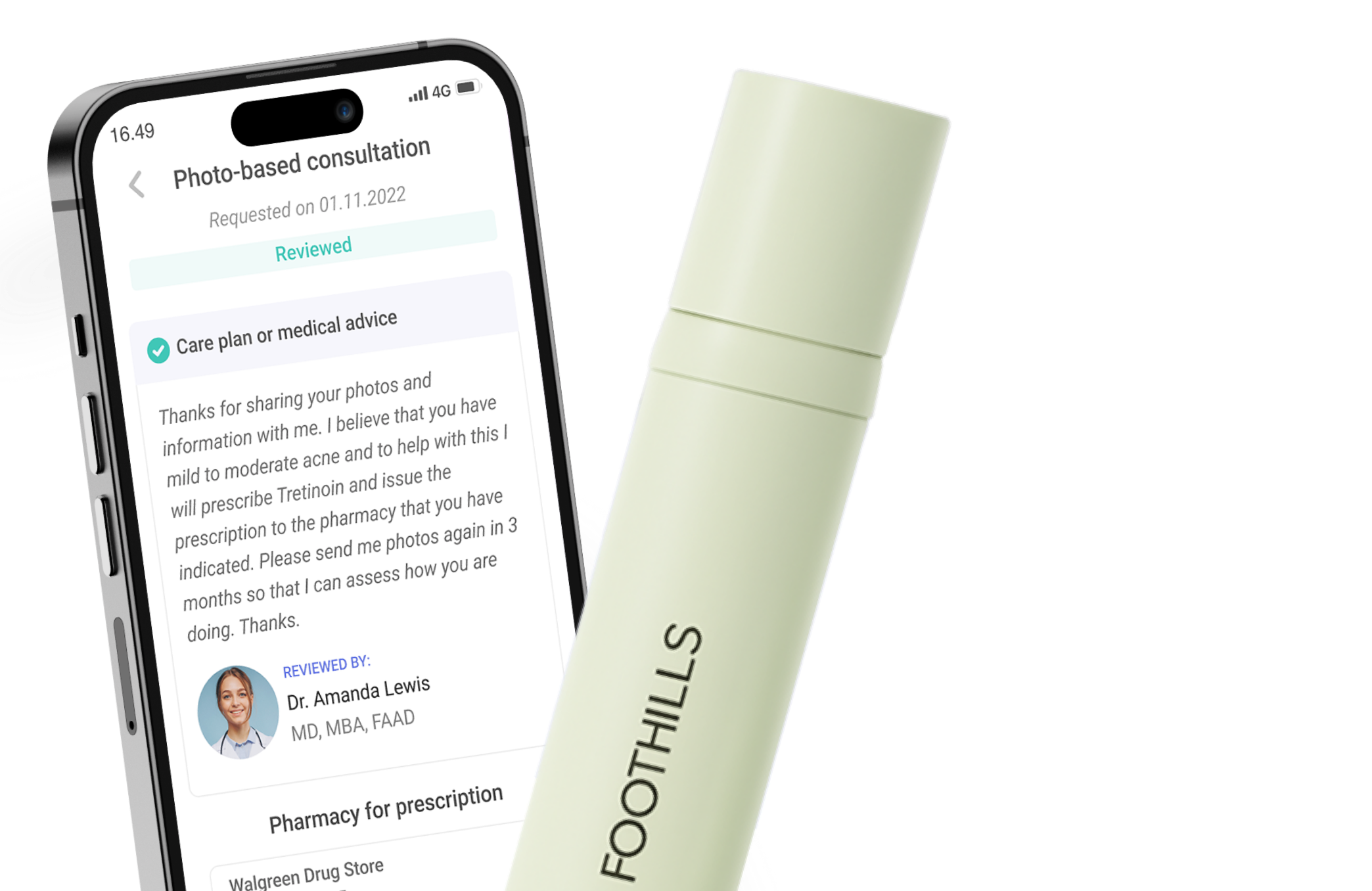
If you are interested in a customized formula with clindamycin, select Foothills as your pharmacy.
Your dermatologist may include additional ingredients based your individual needs.
Important Disclaimer: Compounded medications are not reviewed by the FDA for safety or efficacy.
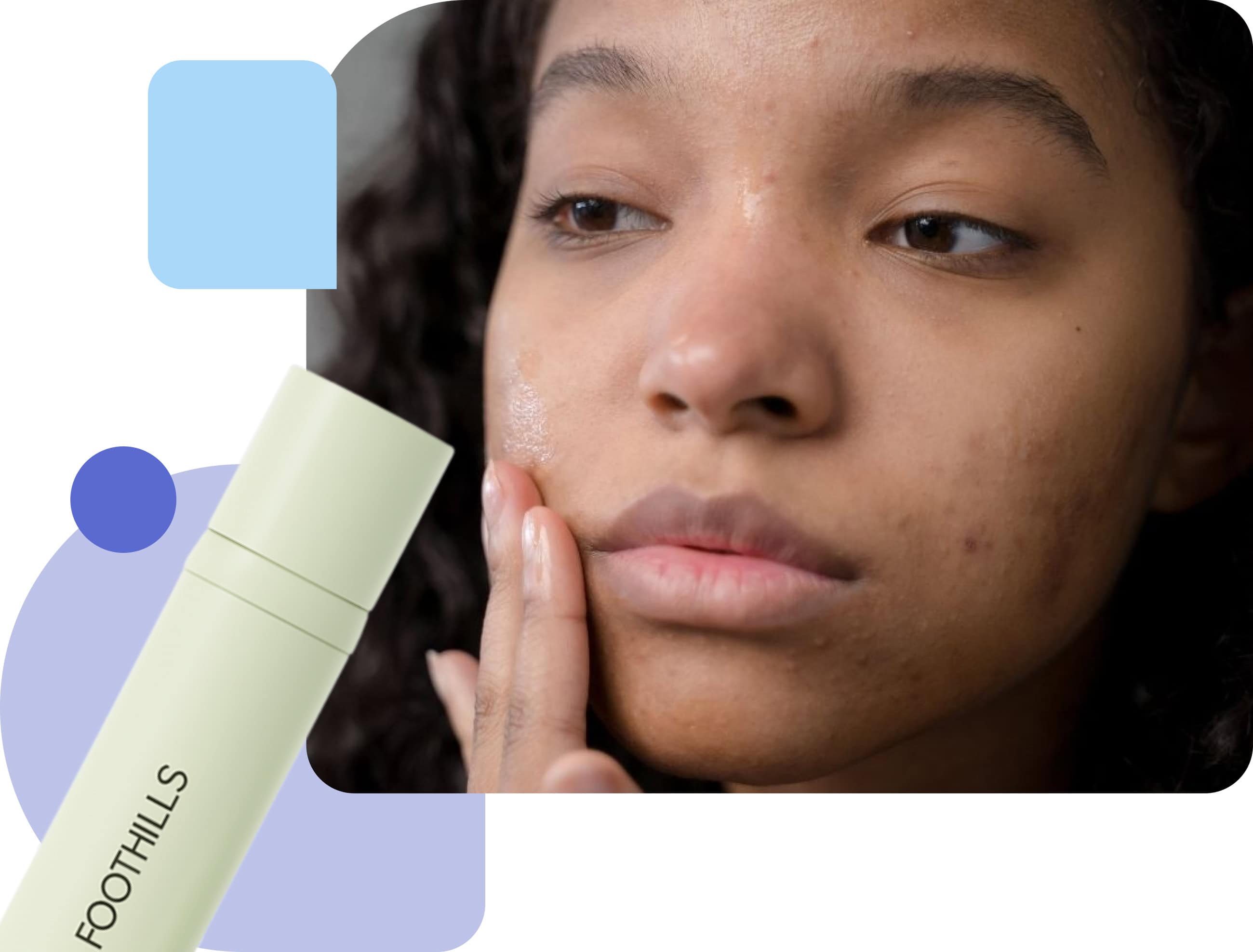
Common clindamycin combination creams
Board-certified dermatologist Dr. Trisha Khanna explains that dermatologists customize each prescription based on a careful assessment of symptoms, disease severity, and other relevant clinical considerations to deliver the most appropriate care.
Clindamycin + Niacinamide + Tretinoin

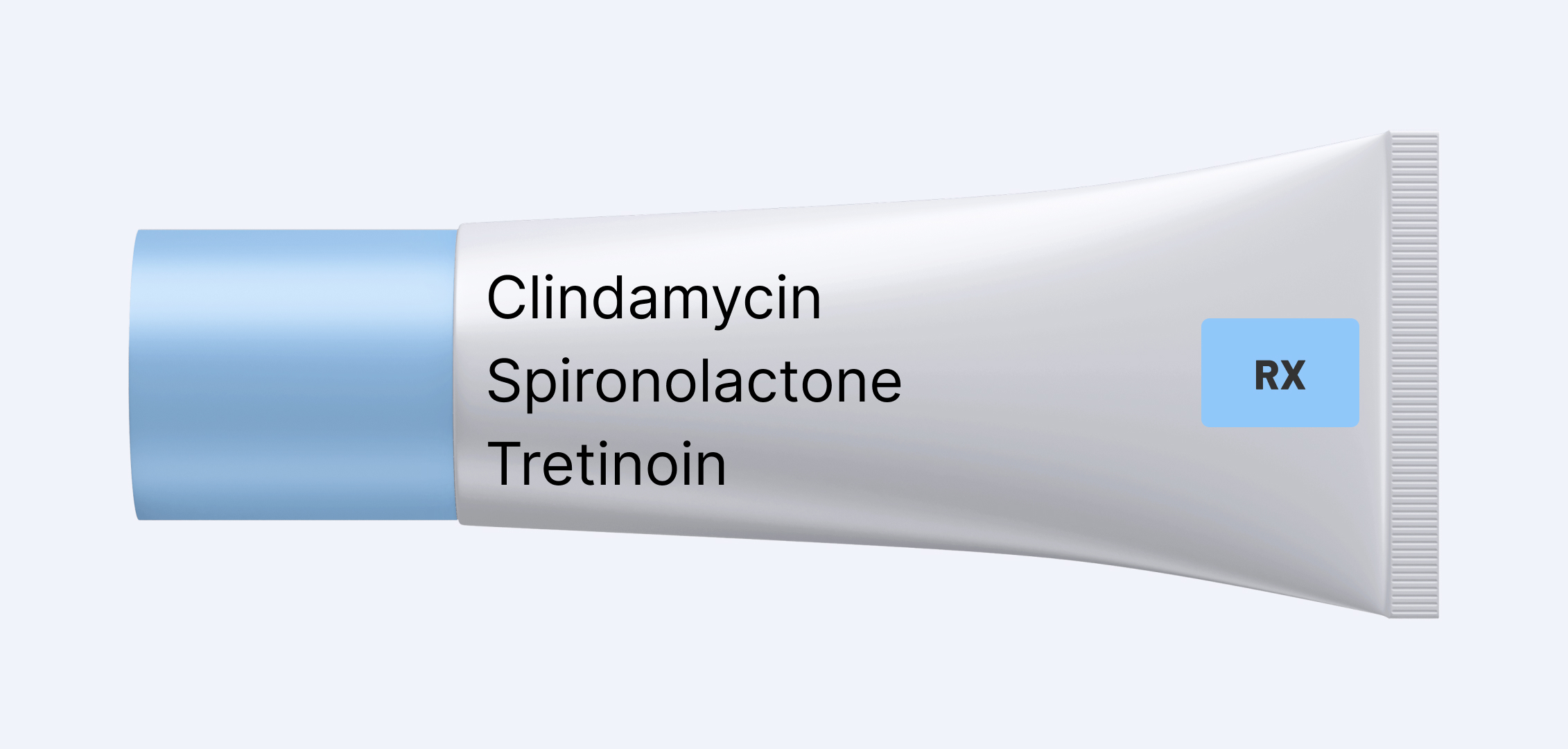
Clindamycin + Spironolactone + Tretinoin
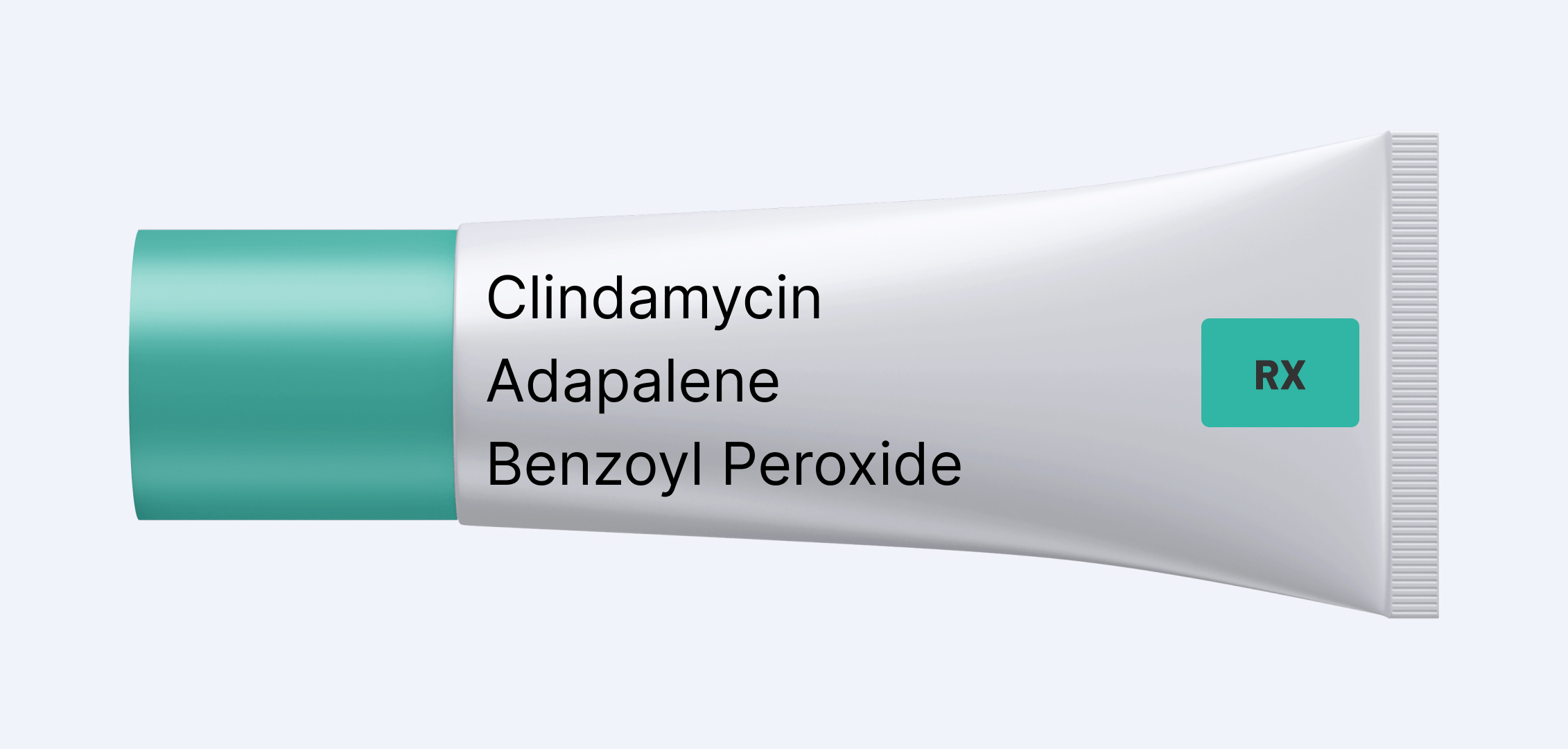
Clindamycin + Adapalene + Benzoyl Peroxide
Clindamycin +
Benzoyl Peroxide
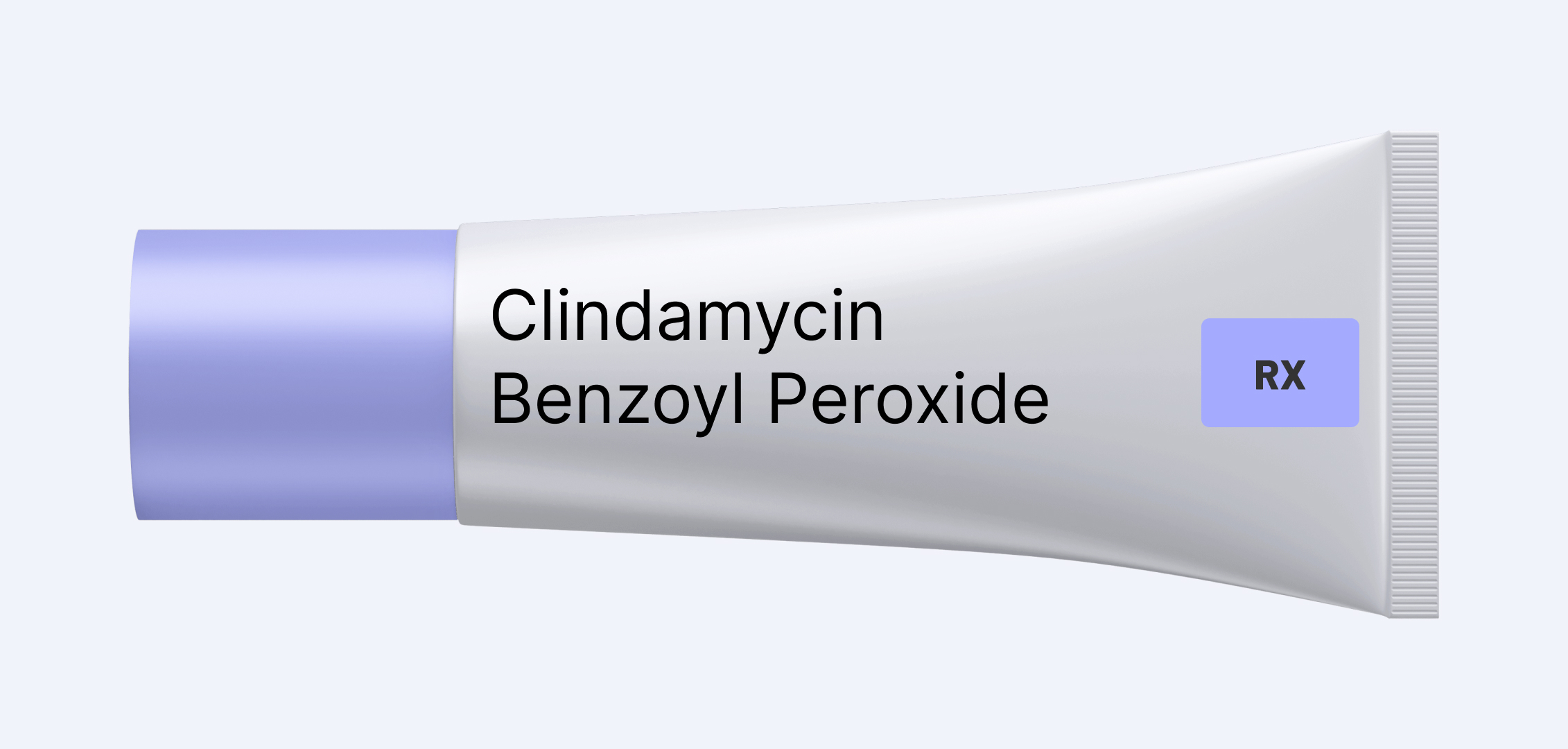
Clindamycin +
Tretinoin
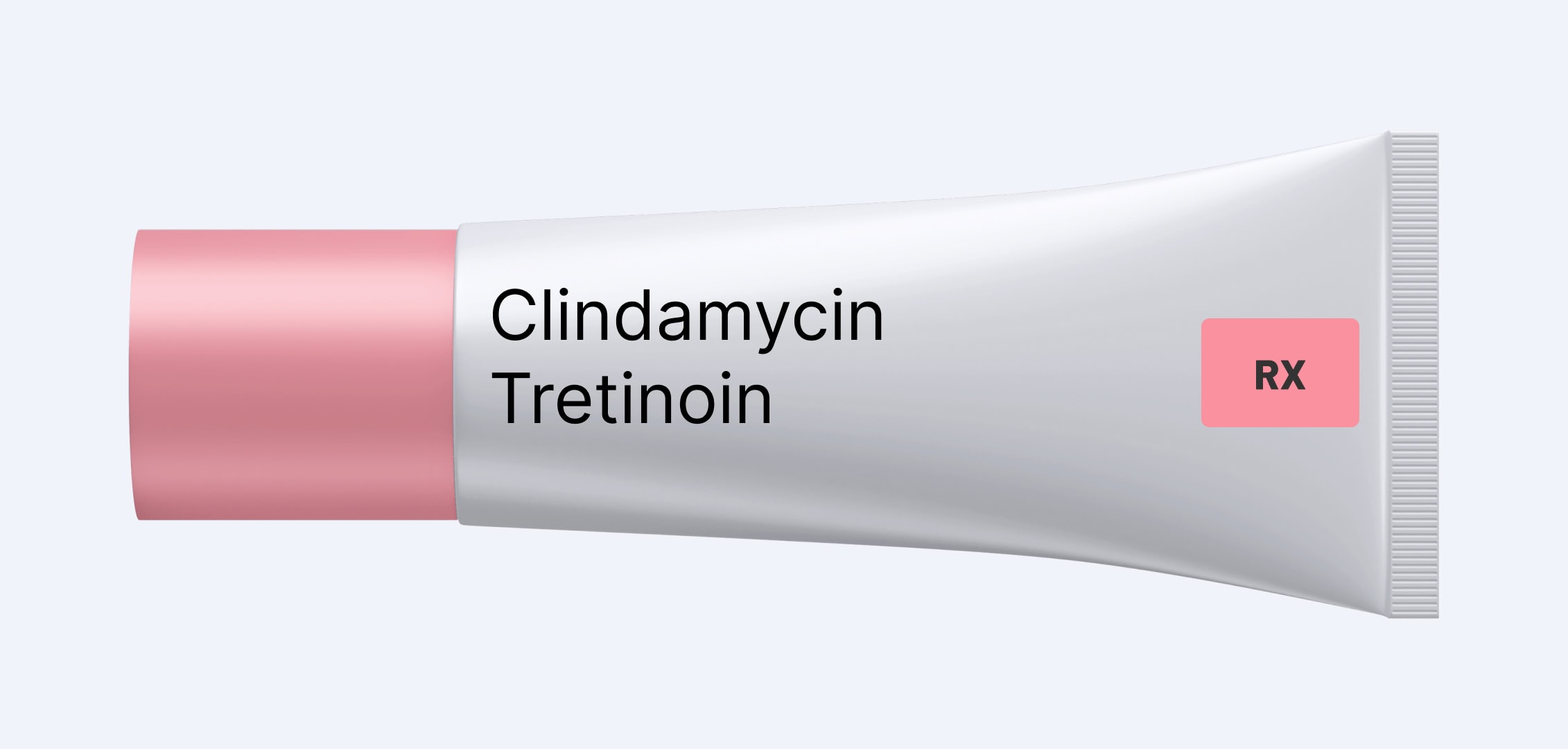
Clindamycin +
Spironolactone
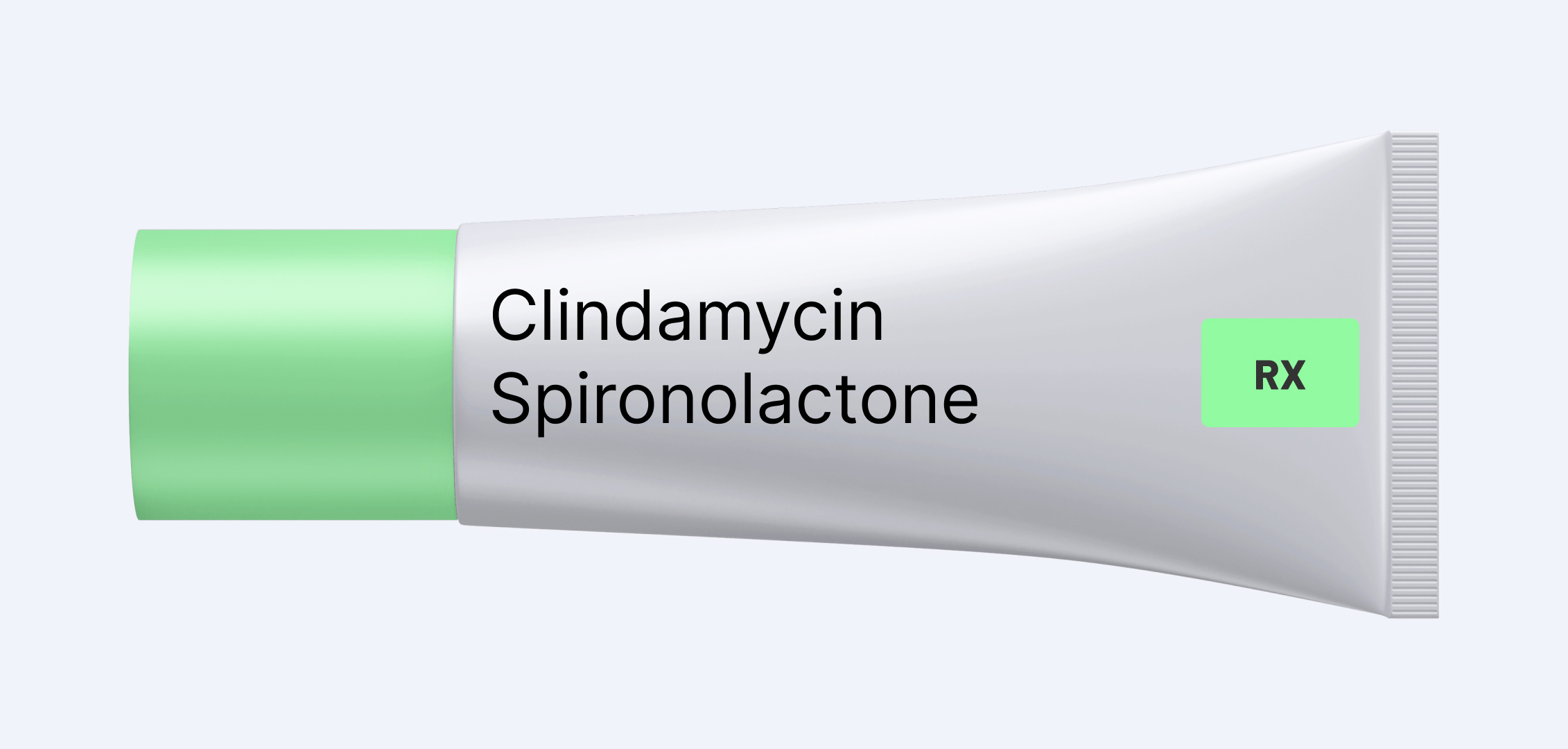
Clindamycin +
Azelaic acid
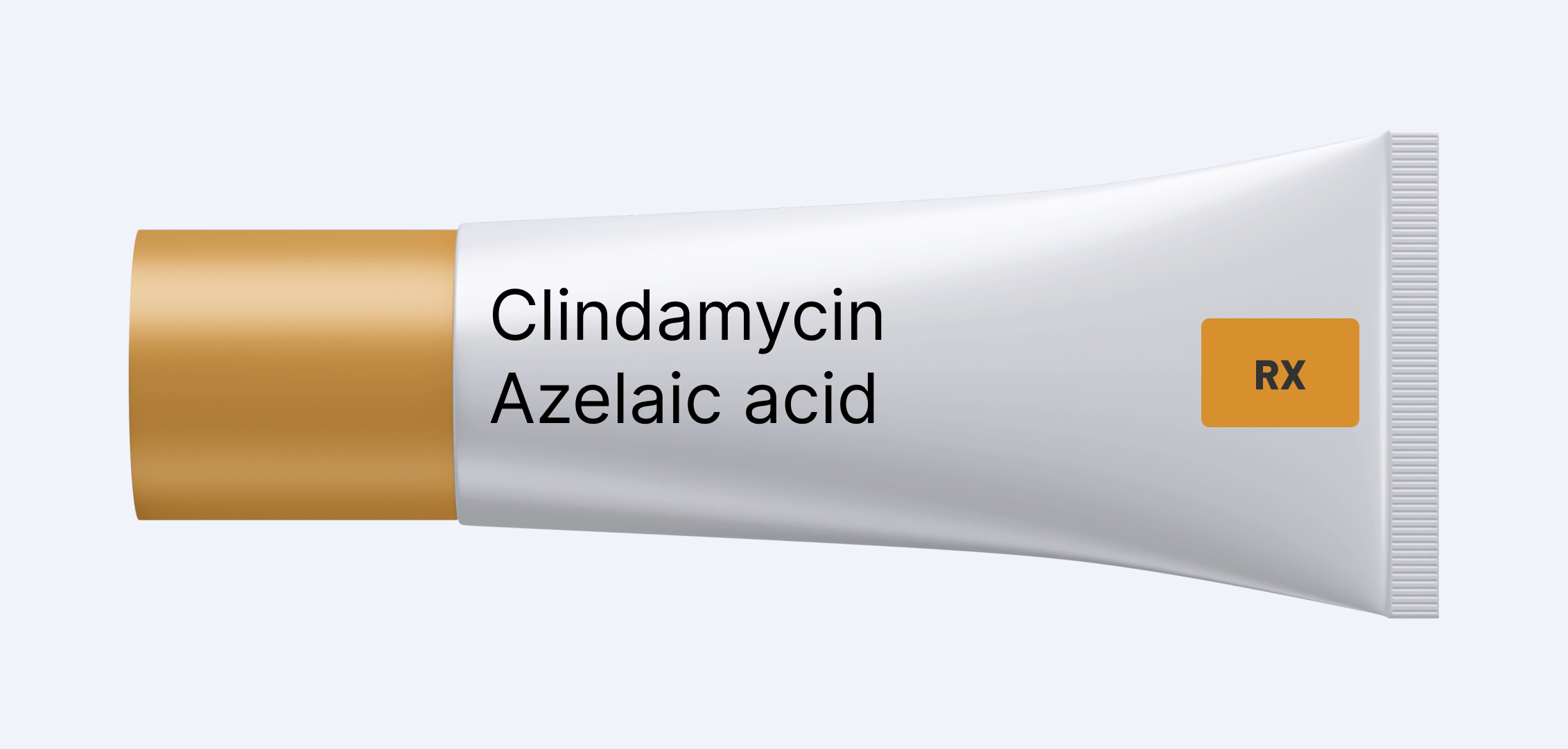
Product packaging shown for visual reference only. Actual packaging may vary.
Important Disclaimer: Compounded medications are not reviewed by the FDA for safety or efficacy.
How to apply clindamycin?
According to Dr. Trisha Khanna, a board-certified dermatologist, if you have been prescribed with clindamycin, this is how you should use it.

1. Cleanse gently
Gently cleanse the skin and pat dry before application

2. Use a very small amount
Apply a thin layer to the affected area, not just individual pimples

3. Use as prescribed
Use exactly as prescribed by your dermatologist (commonly once daily)

4. Do Not Overuse
Avoid applying more often than directed, as this does not improve results and may increase irritation

6. Avoid Sensitive Areas
Avoid the eyes, lips, and inside of the nose

7. Moisturize After Use
Follow with a non-comedogenic moisturizer to help reduce dryness or irritation

8. Use sunscreen daily
Use sunscreen (SPF 30 or higher) each morning, as treated skin may be more sensitive to sun exposure

9. Clean Hands After Application
Be sure to wash your hands after applying the product to avoid accidental contact with sensitive areas.
Clindamycin and other medications
Ingredients that can be used alongside clindamycin
 Benzoyl peroxide – especially important with clindamycin to help reduce acne-causing bacteria and lower the risk of antibiotic resistance (often used at a different time of day or in a fixed-dose combination)
Topical retinoids (tretinoin, adapalene, tazarotene) – help prevent clogged pores and improve long-term acne control; typically used at night while clindamycin is used in the morning
Niacinamide – helps calm inflammation and support the skin barrier
Azelaic acid – addresses acne, redness, and post-acne marks and is generally well tolerated
Gentle, non-comedogenic moisturizers (ceramides, glycerin, hyaluronic acid) – help maintain the skin barrier during treatment
Broad-spectrum sunscreen (SPF 30+) – protects the skin and helps prevent post-inflammatory hyperpigmentation
Ingredients to avoid or use cautiously with clindamycin
 Strong exfoliating acids (high-strength AHAs or frequent BHA use) – may increase dryness and irritation when combined
Physical exfoliants (scrubs, brushes) – can worsen redness and compromise the skin barrier
Alcohol-heavy or astringent products – may increase dryness and irritation
Sulfur (especially in sensitive skin) – may be overly drying when combined with clindamycin
Provider & Prescription Information
Miiskin connects patients with independent dermatologists who provide care through their private practices. Compounded prescriptions can be ordered via Miiskin and are dispensed by Foothills pharmacy. Generic prescriptions can be filled at any local or online pharmacy.
Start a virtual consultation to request a custom clindamycin cream
 Need a clindamycin prescription for you or your child?