Get a prescription for Accutane (isotretinoin)
*Average online dermatologist response time from July-September 2026: 18.6 hours
- Board-certified dermatologists
- $69 monthly subscription (meds are not included)
- Treatment managed online (needs lab work)
- Regular and low-dose regimes


What is Accutane (isotretinoin)?
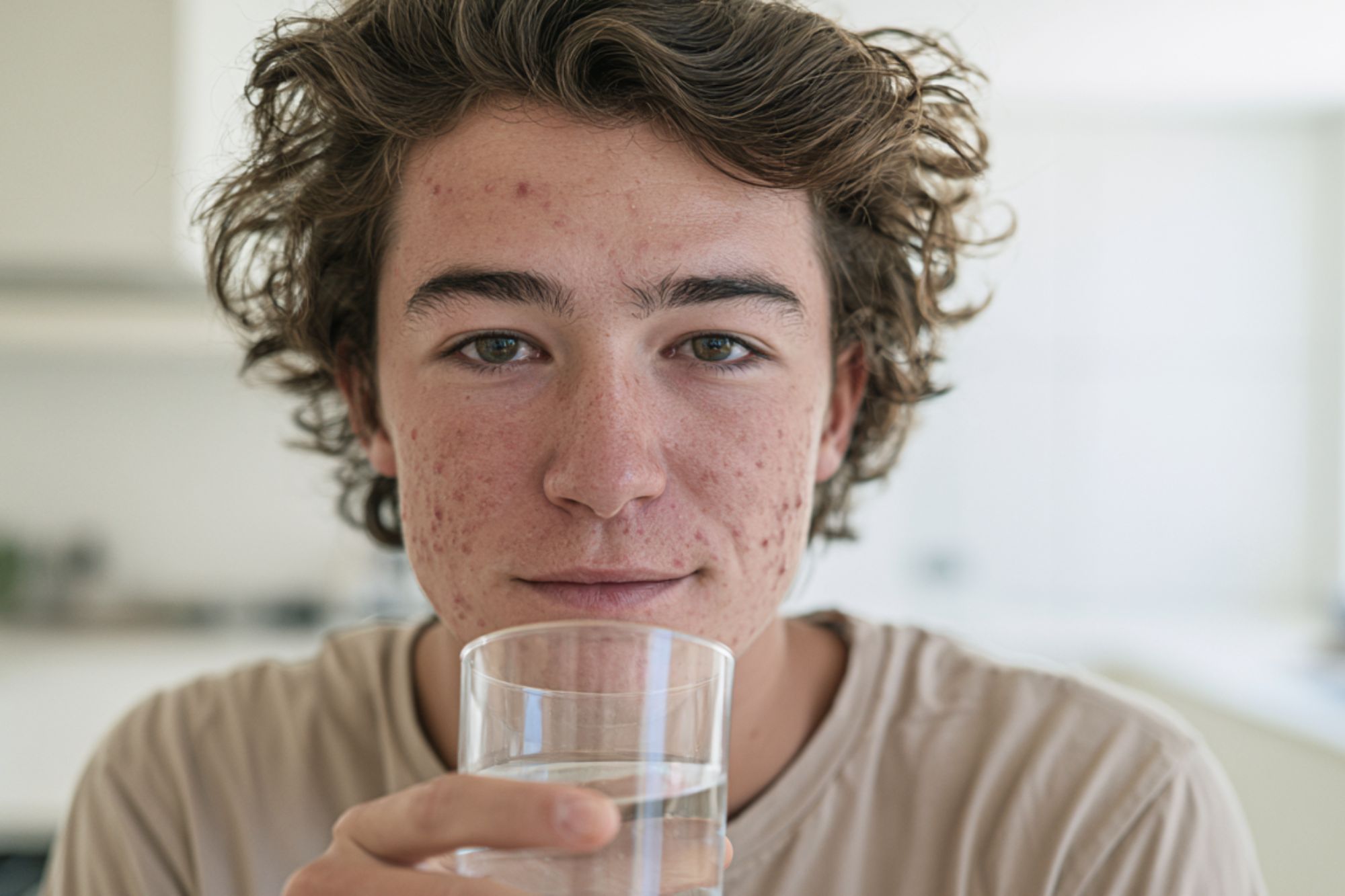
Accutane (isotretinoin) is the most effective FDA-approved option for treating severe acne, especially nodular or cystic acne that hasn’t improved with other therapies. Research shows it greatly reduces acne (in some cases eliminating it completely) in up to 85% of patients after just one course1 2 3.

When is Accutane (isotretinoin) prescribed?
Isotretinoin (often referred to as Accutane) is only prescribed when strict safety guidelines are followed due to its potential risks. You may be a good candidate if you meet all of the following:
- Your acne is severe enough to cause scarring
- You’ve had persistent acne for several years
- Your acne hasn’t responded to oral antibiotics, topical retinoids, or other standard treatments.
Benefits of Accutane (isotretinoin)


Prevents scarring
By reducing severe breakouts, it helps prevent permanent acne scars.

Shrinks oil glands
Significantly reduces sebum production, making skin less oily.


Reduces inflammation
Helps clear red, swollen, and painful acne lesions, improving skin texture.

May improve skin texture
Can make pores appear smaller and skin smoother over time.
Medical requirements for all patients when starting Accutane treatment
Accutane can cause serious side effects, so patients are closely monitored by a dermatologist throughout treatment.
iPledge compliance
- Both patient and prescriber must be registered in the iPLEDGE system before treatment starts.
- A new prescription is required each month (refills aren’t automatic).
- Each prescription must be picked up within 7 days or it expires.
- Blood donation isn’t allowed during treatment or for 30 days after stopping, to protect any pregnant
- At least 2 blood tests (about 2 months apart) check liver function and triglyceride levels.
- A monthly evaluation is required before each refill (for patients who can become pregnant; patients who can’t become pregnant only need this at enrollment).
Additional requirements for patients who can become pregnant
Accutane can cause serious birth defects, so strict pregnancy prevention is required:
- Two negative pregnancy tests before starting treatment.
- A pregnancy test every month before each refill, plus one after the last dose and one 1 month after stopping. Tests can now be done at home if the prescriber allows it (the very first test must still be done in a clinic)
- Two forms of birth control used at the same time, for at least 1 month before, during, and 1 month after treatment:
1. Hormonal method (IUD, pill, patch, implant or injection )
2. Barrier method (condom with spermicide, or a diaphragm)
Side effects of Accutane (isotretinoin)
Precautions when taking Accutane (isotretinoin)
There are several important precautions to follow when taking Accutane.
- It’s highly teratogenic, meaning it can cause serious birth defects if taken during pregnancy, so strict birth control is required, and pregnancy termination is often recommended if exposure occurs.11 12
- Mental health should be closely monitored.
- Increases sun sensitivity, so wear SPF 50 sunscreen and protective clothing.
How to get Accutane (isotretinoin) online?
Do you need a prescription to buy Accutane?
Yes, Accutane (isotretinoin) is a prescription medication.
How to get an Accutane prescription online?
To request an Accutane prescription select your state on the purple banner in this page and click on the Request Accutane button to start your online consultation.
Where to buy Accutane?
Once you get your prescription, you have 7 days to buy your medication at the local pharmacy.
Can my dermatologist refuse to prescribe Accutane?
Yes, Accutane is not safe or suitable for everyone, so your dermatologist may choose to prescribe an alternative acne treatment.
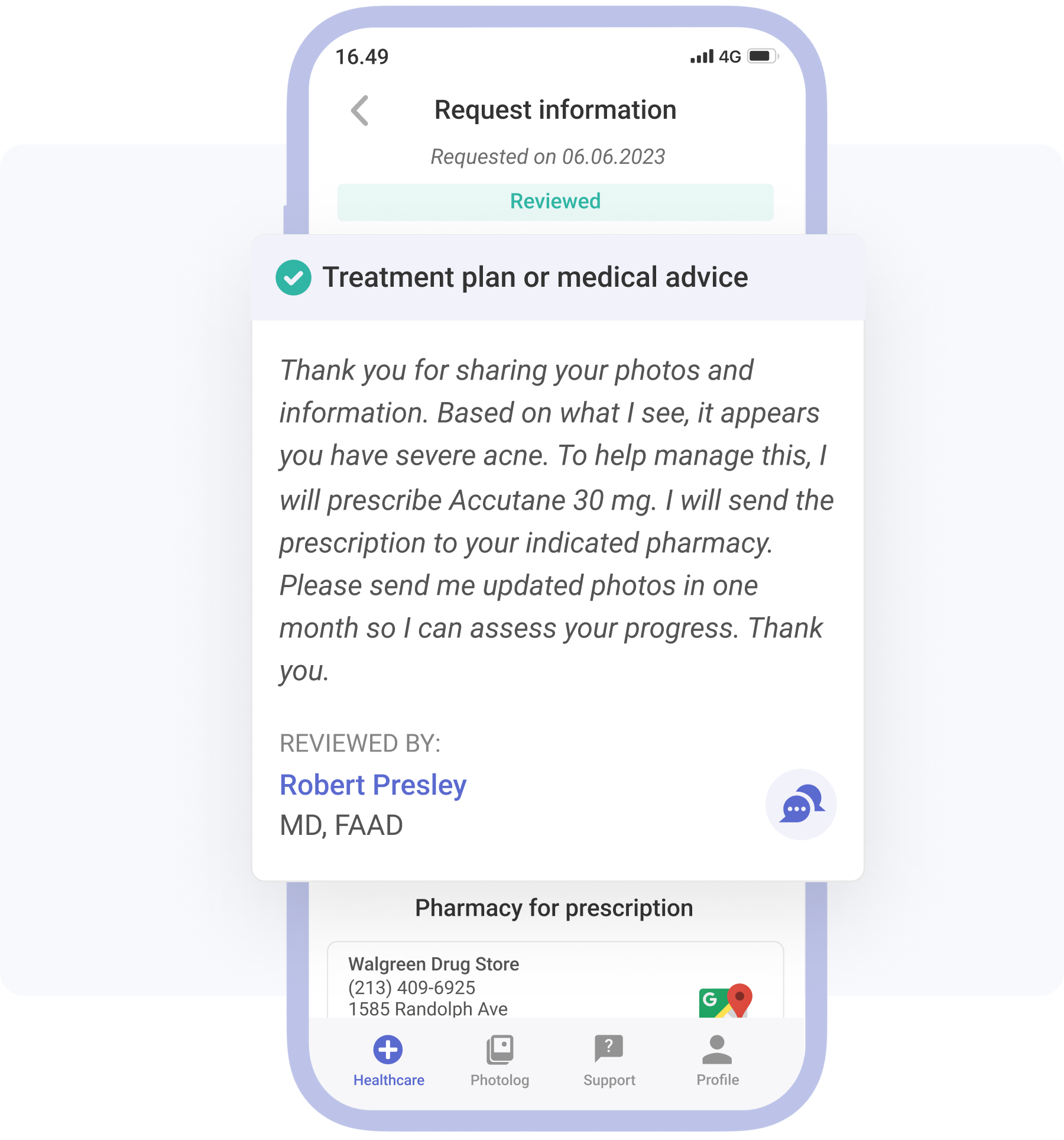
Select your state to check eligibility and start your consultation →
Online dermatologists who prescribe Accutane (isotretinoin) online
Get started by selecting your state in the purple banner. You’ll be matched with a board-certified dermatologist licensed in your state who can evaluate whether Accutane (isotretinoin) is right for you and, if appropriate, prescribe it online.

Dr. Anne Allen
Online Dermatologist
MD, FAAD

Dr. Blake Galler
Online Dermatologist
DO, FAAD

Dr. Ryan Trowbridge
Online Dermatologist
MD, MS, MA, FAAD

Dr. Anna Chacon
Online Dermatologist
MD, FAAD
How does Accutane work?
Common Accutane (isotretinoin) dose
The Accutane dose prescribed depends on your weight, how severe your acne is, how well you handle the medication, and your treatment goals.
The American Academy of Dermatology (AAD) recommends starting with 0.5 to 1 mg per kg of body weight per day, usually split into two doses.
Some people may begin with lower doses to reduce the chance of potential side effects, while others might need higher doses to reach the recommended total.
The goal is typically a total dose of 120 to 150 mg per kg over the whole treatment. Your dermatologist will adjust your dose to find the right balance between results and side effects.
Can you take a low dose of Accutane (isotretinoin)?
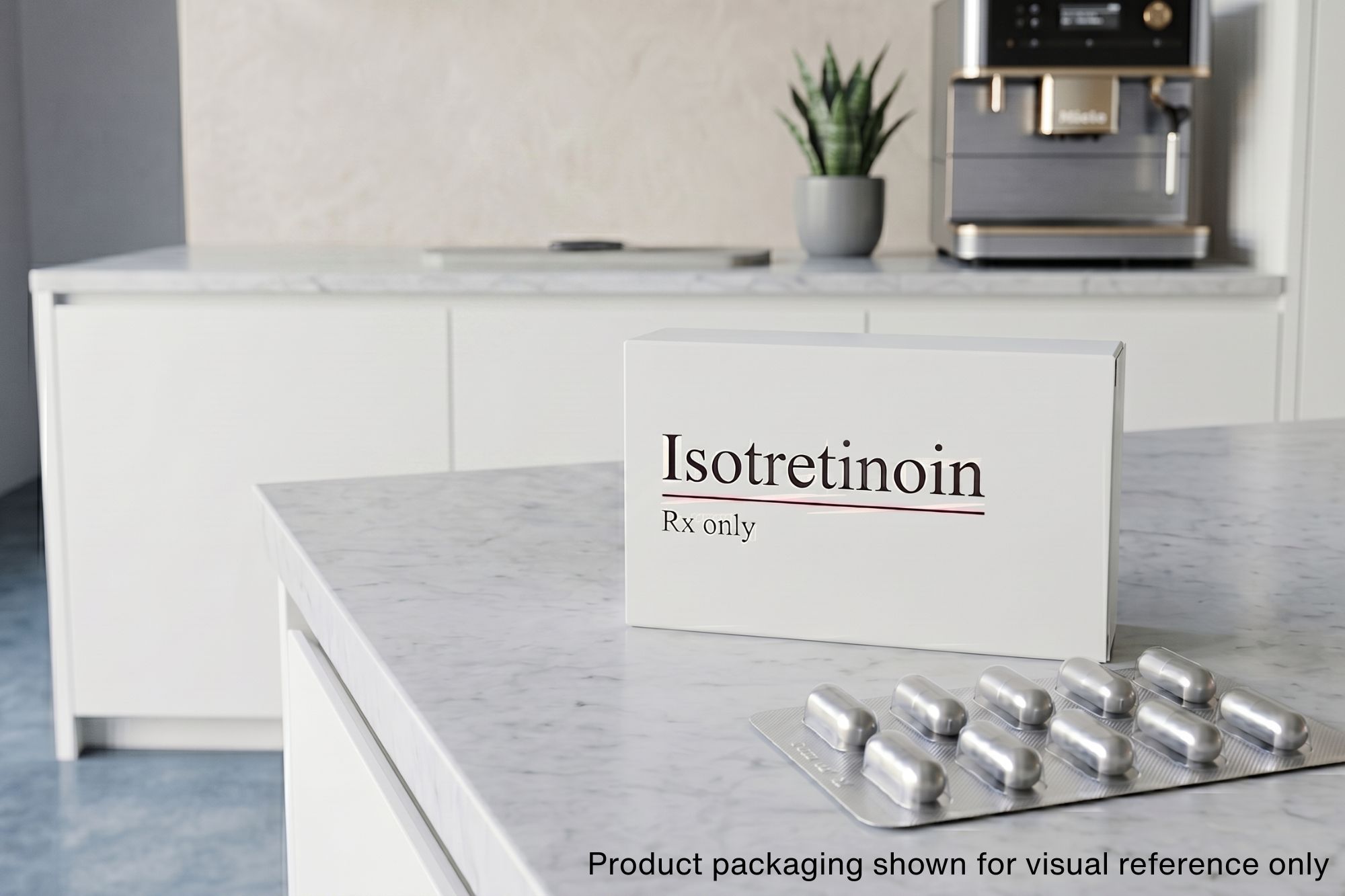
Low-dose Accutane (about half the usual amount based on your weight) can reduce breakouts a lot, but the acne is more likely to return compared to standard doses.
Taking Accutane only part of the time (like 1 week each month) may lead to acne coming back in 30–50% of cases. Taking it every day, at a low dose, has a lower chance of relapse (10–30%), but adding antibiotics like azithromycin or clindamycin may help prevent this.
Relapse rates after low-dose isotretinoin therapy vary but it may be a reasonable option to avoid the strong side effects a full-dose regime brings.
While some studies report rates under 6%, these are often with extended treatment durations or shorter follow-up. On average, relapse rates tend to be higher than with conventional dosing unless cumulative targets are matched7 8 9 10.
Still, reaching a higher total amount over time (over 120-150 mg per kg of body weight) is still the most effective way to keep acne from returning.
What is the Accutane (isotretinoin) purge?

An initial worsening of acne, often called the Accutane (isotretinoin) purge, is a temporary flare-up that some patients experience after starting treatment. Dr. Trowbridge notes that while this side effect is well-documented, it doesn’t affect everyone. Studies show that up to 32% of patients experience a flare during the first month. Factors such as age, gender, baseline acne severity, and dosage can all influence the likelihood and intensity of this reaction. Though frustrating, the purge is usually short-lived and often indicates that the treatment is beginning to work.
Medications to avoid while taking Accutane (isotretinoin)
 Other retinoids (tretinoin, tazarotene, adapalene, retinol)
Alpha and Beta hydroxy acids
Vitamin A supplements and retinoid products (risk of toxicity).
Tetracycline antibiotics (e.g., doxycycline, tetracycline) due to the risk of increased brain pressure.
St. John’s Wort, which can interfere with birth control effectiveness.
Progestin-only birth control pills, as they may be less effective while on Accutane.
Other things to avoid while taking Accutane (isotretinoin)
- Getting pregnant (if female) or getting your partner pregnant (if male)
- Alcohol
- Medications that can irritate your liver like tylenol
- Foods high in vitamin A (e.g., fish, dark leafy greens, carrots)
- Prolonged sun exposure
- Tanning beds
- Cosmetic skin procedures (e.g., waxing, laser treatments, chemical peels) due to the risk of skin irritation and scarring.
- Blood donation
References:
1https://pmc.ncbi.nlm.nih.gov/articles/PMC10365865/
2https://pubmed.ncbi.nlm.nih.gov/23013115/
3https://pmc.ncbi.nlm.nih.gov/articles/PMC2835909/
4https://pubmed.ncbi.nlm.nih.gov/23013115/
5https://www.ncbi.nlm.nih.gov/books/NBK525949/
6https://pubmed.ncbi.nlm.nih.gov/16546586/
7https://pubmed.ncbi.nlm.nih.gov/21114478/
8https://pubmed.ncbi.nlm.nih.gov/24891681/
9https://pubmed.ncbi.nlm.nih.gov/30745980/
10https://pubmed.ncbi.nlm.nih.gov/30745980/
11https://www.sciencedirect.com/science/article/abs/pii/S0301211523007856
12https://www.ogscience.org/upload/pdf/ogs-20373.pdf
13https://pubmed.ncbi.nlm.nih.gov/28291553/
14https://www.ncbi.nlm.nih.gov/books/NBK525949/
15https://pubmed.ncbi.nlm.nih.gov/36529376/
16https://pubmed.ncbi.nlm.nih.gov/36682724/