
Scabies treatment online by dermatologist
*Average online dermatologist response time from July-September 2026: 18.6 hours
- Board-certified dermatologists
- No medication subscriptions
- Choice of pharmacy
Medications often prescribed for scabies
- Permethrin
- Spinosad
- Benzyl benzoate



What are scabies?
Scabies is a highly contagious skin condition caused by the microscopic mite Sarcoptes scabiei. The mites burrow into the upper layer of the skin to lay eggs, leading to intense itching (often worse at night) and a pimple-like rash. It spreads mainly through direct skin-to-skin contact, but can also pass through shared bedding, towels, or clothing.1

Should you seek medical care for scabies?
Yes, absolutely! Scabies should be treated as soon as possible to eliminate the mites and prevent further spread. Treatment usually includes topical permethrin cream or oral ivermectin. Wash clothing and bedding at a high temperature and quarantine items that can’t be washed to prevent reinfestation.
What prescription medications can I get for scabies?
Your dermatologist may prescribe a topical medication, and in more severe or persistent cases, oral treatment may be prescribed.
Topical creams for scabies
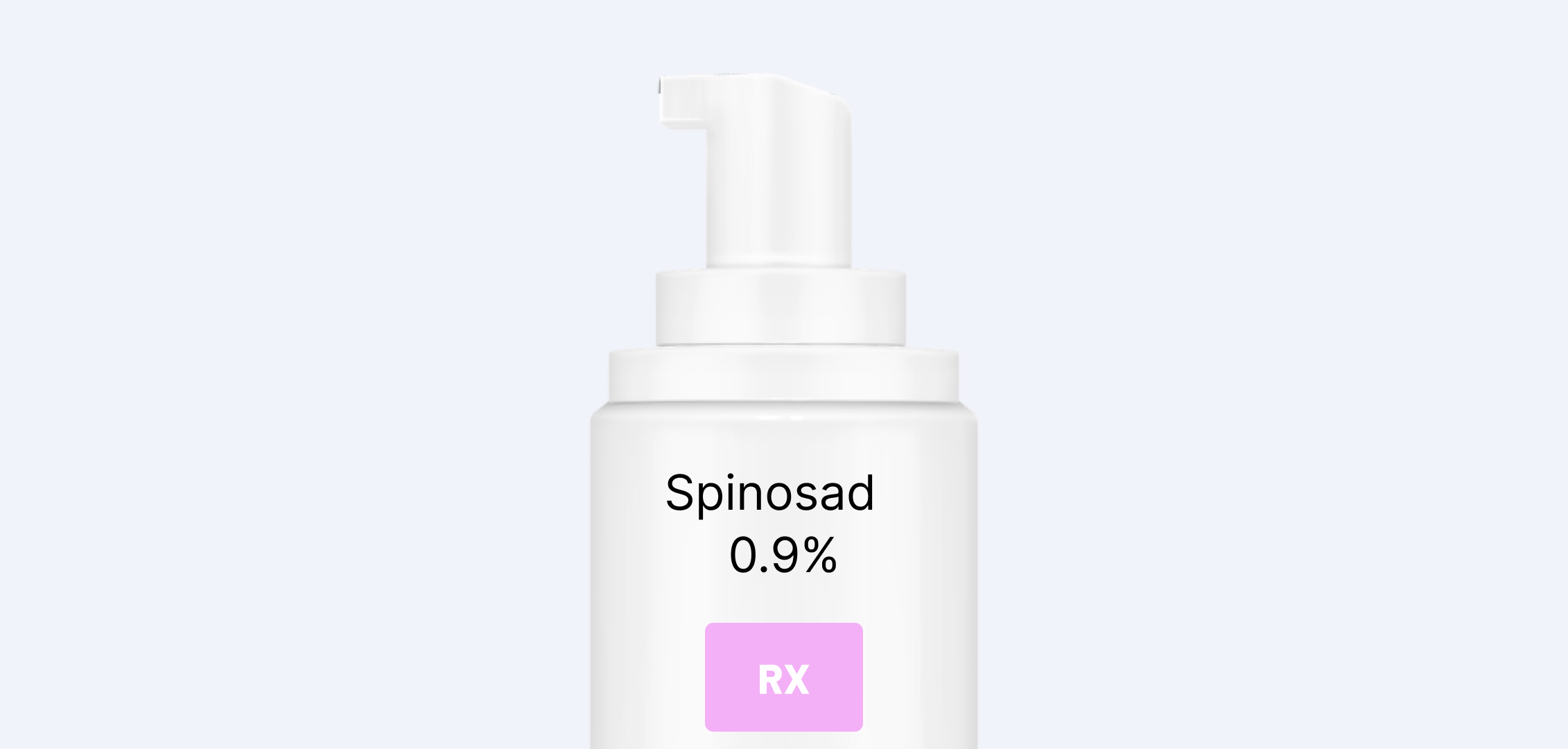
Spinosad liquid 0.9%
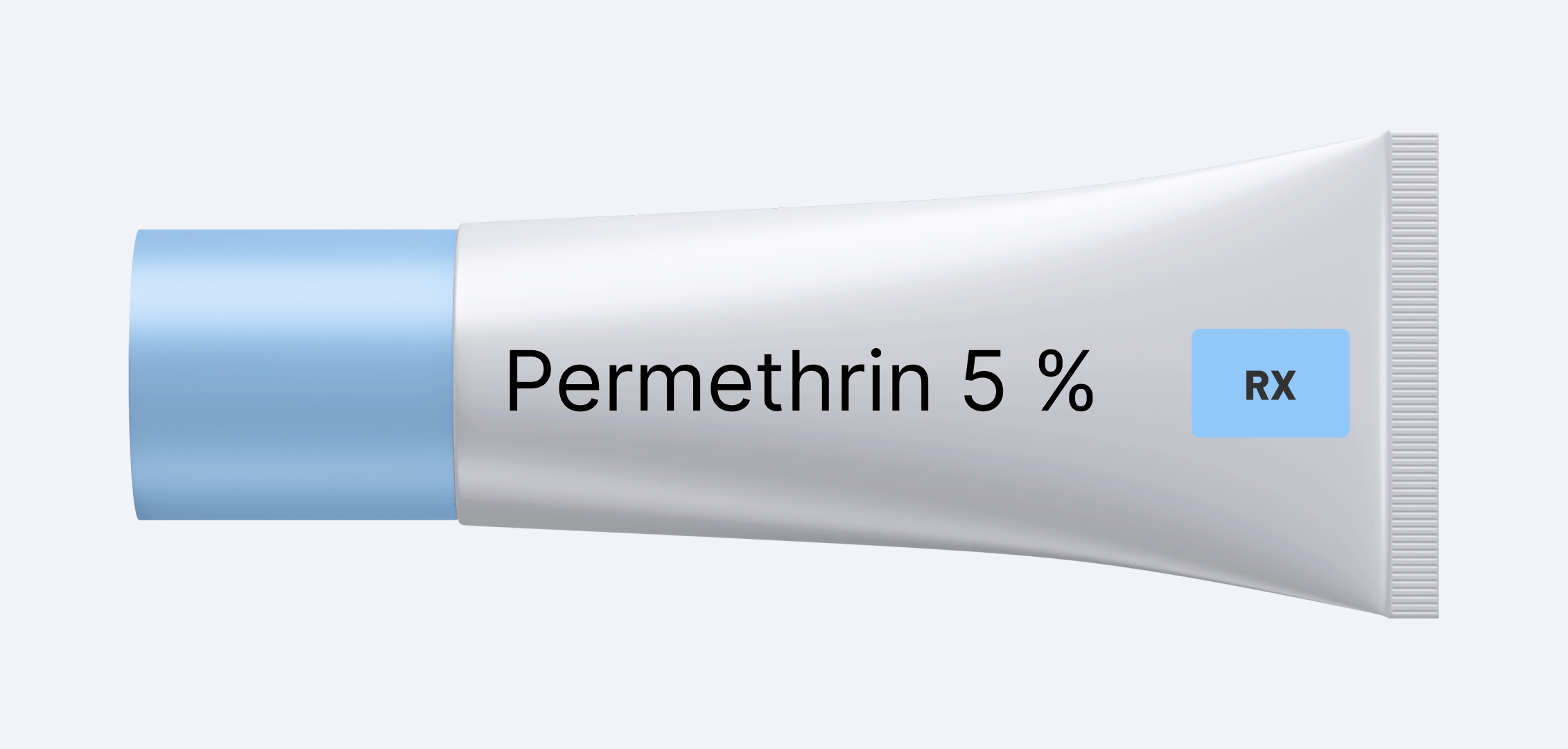
Permethrin cream 5%
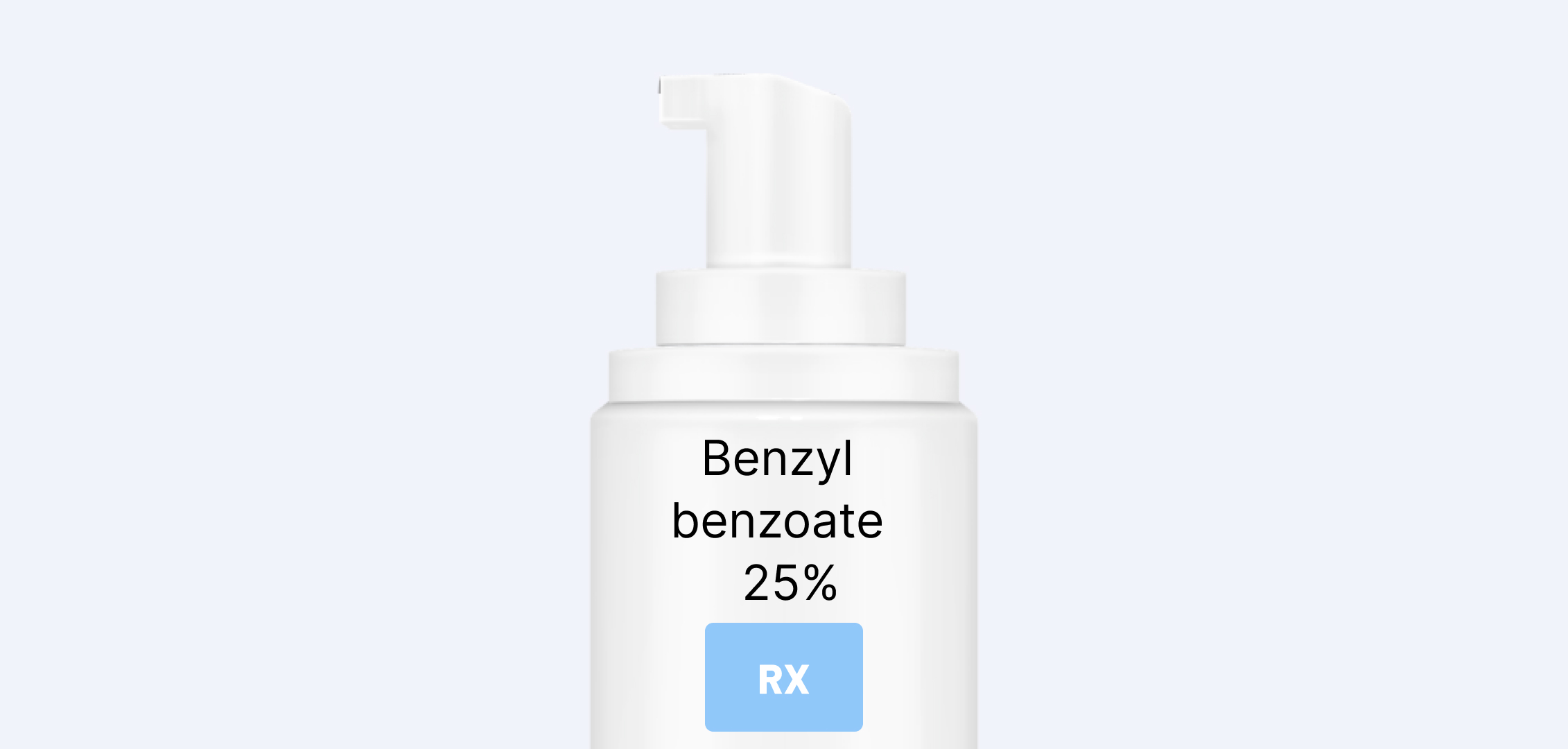
Benzyl benzoate 25%
Oral medications for scabies
Ivermectin

TrustPilot Reviews
Trusted by 20,000+ users
Hyperhidrosis Relief
“Every question I asked was answered by the next day, and my dermatologist made the whole process easy. I got the Glycopyrrolate 2% I needed sent straight to Foothills Pharmacy, and after years of dealing with sweating, I’m finally seeing real results.”
— Vivian Robaldo2 Years of Excellent Care
“I’ve been using Miiskin for over two years for my hair loss, and the minoxidil Dr. Anna Chacon prescribed has helped me a lot. The app is easy to use, response times are fast, and the pricing is very reasonable. I highly recommend it.”
— Ana RokhvadzeOutstanding and Efficient
“The process was efficient and straightforward. I submitted my consultation request and medical history at 9am and had a response from the doctor by noon the same day.”
— Gary RahnFantastic Discovery
“An in-person dermatology visit near me would have cost almost $250 out of pocket. With Miiskin, I paid about $160 total for the appointment and medication, and it was so much more convenient. I got a same-day appointment, sent in photos, and had a prescription ready within hours, delivered by Amazon Pharmacy in two business days. I don’t think I’ll go back to standard in-clinic care.”
— KathleenExcellent Service
“Dr. Anna Chacon was professional, knowledgeable, and responsive. She took the time to review my concerns, explained the treatment plan clearly, and made the whole process easy. I’d highly recommend her and Miiskin.”
— Chris Karches
Meet the board-certified dermatologists
Miiskin partners exclusively with board-certified dermatologists who have helped more than 200,000 people through telehealth.
Get a clear overview of our dermatologists, including where they’re licensed to practice, their experience, specialties, typical response time, and number of telehealth consultations completed.
Get expert skin care in 3 simple steps
You can get online treatment for scabies from a board-certified dermatologist through Miiskin, with consultations costing $59–$79. After reviewing your skin concern, your dermatologist can recommend a personalized treatment plan.

Submit your skin concern
Describe your skin concern, answer a brief questionnaire, and upload your photos.

Dermatologist review
A board-certified dermatologist licensed in your state reviews your information and photos.

Get your treatment plan
Receive your treatment plan. Choose delivery or pickup at your preferred pharmacy.

About scabies
Scabies can affect any part of the body, but it most commonly appears in areas where the skin folds or has close contact, such as between the fingers, on the wrists, elbows, armpits, waistline, and genitals.
What causes scabies?
Scabies is caused by the microscopic mite Sarcoptes scabiei var. hominis. The mites burrow into the top layer of skin, where they live and lay eggs, triggering an allergic reaction that causes intense itching and a rash.
How scabies spreads?
- Direct skin-to-skin contact with an infected person (most common)
- Shared bedding, clothing, or towels where mites can survive 1–2 days without a host
- Crowded environments such as nursing homes, prisons, or childcare centers
Signs and symptoms of scabies
- Intense itching, often worse at night
- Pimple-like rash with small bumps or nodules
- Thin burrow tracks on the skin caused by mites
- Common rash locations: finger webs, wrists, elbows, waist, genitals, and knees
- Symptoms may appear 4–6 weeks after first exposure (or within days if reinfected)
- Skin infection or crusting from scratching in more severe cases

Where do scabies usually appear?
Scabies mites tend to live in skin folds and creases. Common areas affected include:
- Between the fingers and toes (hands and feet)
- Under fingernails
- Under rings, watchbands, or bracelets
- Wrists and knees
- Thighs and genital area
- Waistline
- Around the nipples
How long does scabies last?
- Day 0 – Exposure: Scabies spreads through prolonged skin-to-skin contact with an infected person or rarely through shared bedding or clothing.
- Weeks 2–6 – Incubation: In first infections, symptoms may take 4–6 weeks to appear, but the person can still spread scabies during this time.
- Days 1–4 (reinfection): If someone had scabies before, symptoms may appear within a few days.
- Day 0 of treatment: Prescription treatments such as permethrin cream or oral ivermectin are started.
- 24–48 hours after treatment: Mites are typically killed and the person is usually no longer contagious if treatment is used correctly.
- 2–4 weeks after treatment: Itching and rash may continue while the skin heals, even though the mites are gone.

How to prevent scabies?
The best way to prevent scabies is to avoid contact with infected people. To help stop the spread:
- Treat the infection promptly to prevent further spread
- Check and monitor anyone who had close contact with the infected person.
- Avoid close physical contact until treatment is complete.
- Wash bedding, towels, and clothing in hot water.
How to apply your scabies prescription cream correctly?
According to Dr. Anna Chacon, a board-certified dermatologist, if you have been prescribed with a medication for scabies, this is how you should use it.

1. Wash and dry your skin
Take a shower or bath and allow your skin to cool and dry completely before applying the cream.
2. Apply the cream to the whole body
Spread a thin layer over the entire skin surface from the neck down, including skin folds, between fingers and toes, under the nails, the navel, and between the buttocks.

3. Include the genital area
Carefully apply the cream to the groin, penis, scrotum, or vulva, as mites often live in these areas. Avoid getting the cream inside the genitals or anus.

4. Scalp treatment (when needed)
In most healthy adults and children above 1 year old the scalp usually does not need treatment. However, babies, older adults, or people with weakened immune systems may need to apply the cream to the scalp, hairline, temples, and behind the ears as well.

5. Leave the cream on as directed
Most treatments stay on the skin for 8–12 hours, usually overnight.
6. Wash it off
After the recommended time, wash the cream off thoroughly with soap and water.

7. Wear clean clothes and bedding
After treatment, change into fresh clothing and use clean bedding and towels.

8. Repeat if advised
Many dermatologists recommend repeating the treatment after 7 days to ensure all mites and newly hatched eggs are eliminated.
References:
1 https://www.mayoclinic.org/diseases-conditions/scabies/symptoms-causes/syc-20377378
 Do you want a prescription for scabies?
Consult a dermatologist →