• Skip to primary navigation
  • Skip to main content
  • Skip to footer
Patient login
Provider login
MiiSkin Dermatologists
Start Consultation

      • Arizona
      • Massachusetts
      • Pennsylvania
      • California
      • Michigan
      • Tennessee
      • Florida
      • New Jersey
      • Texas
      • Georgia
      • New York
      • Washington
      • Illinois
      • North Carolina
      • Virginia
      • Indiana
      • Ohio
      • More states

      • Acne
      • Genital warts
      • Pediatric
      • Anti-aging
      • Hair loss
      • PIH
      • Atopic dermatitis
      • Herpes
      • Rosacea
      • Dandruff
      • Hyperhidrosis
      • Scabies
      • Eczema
      • Jock itch
      • Shingles
      • Folliculitis
      • Impetigo
      • See more treatments
      • Fungal infections
      • Melasma

      • Skincare Rx
      • DHT Blockers
      • Metronidazole
      • Adapalene
      • Dutasteride
      • Minoxidil
      • Acyclovir
      • Finasteride
      • Spironolactone
      • Aklief
      • Hydroquinone
      • Tazarotene
      • Altreno
      • Isotretinoin
      • Top. spironolactone
      • Azelaic acid
      • Ivermectin
      • Tretinoin
      • Benzoyl peroxide
      • Ketoconazole 
      • Tri-Luma
      • Bimatoprost
      • Latisse
      • Valacyclovir
      • Clindamycin

      • Tretinoin
      • Isotretinoin
      • Adapalene
      • Seysara
      • Tazarotene
      • Doxycycline
      • Aklief
      • Benzoyl peroxide
      • Clindamycin
      • Dutasteride
      • Minocycline
      • Acne
      • Hair Loss
      • Anti-aging
      • Psoriasis
      • Hyperpigmentation
      • Other conditions
      • Online dermatology
      • Online vs In-Person
      • Miiskin vs Competitors
      • Customized Formulas
      • FDA-approved medications
Home / Online dermatologist / Eczema treatment online

Eczema treatment online by dermatologist

Response time: 24 – 48 hours
Service available nationwide

*Average online dermatologist response time from April–June 2026: 14.4 hours

  • Board-certified dermatologists
  • No medication subscriptions
  • Choice of generic or customized medication
Start Consultation
image showing different part of body affected with eczema

Table of Content:
What is eczema? | What are the different types of eczema? | Signs and symptoms of eczema | Can eczema be treated online? | Meet the dermatologists | Eczema medications | Eczema triggers | How to prevent eczema? | FAQ about eczema


Dermatologist  Dr. Amit Om
Medically reviewed by:
Dr. Amit Om
Dermatologist
image showing two girls with eczema problem

What is eczema?

Eczema, also known as atopic dermatitis, is a chronic inflammatory skin condition that causes the skin to become dry, itchy, red, inflamed, and sometimes cracked or scaly. It is a non-contagious disorder, meaning it cannot be spread from person to person, and is commonly seen in children, though it can affect individuals of all ages. One of the key features of eczema is its chronic and relapsing nature—symptoms often flare up periodically and then subside. Eczema is frequently associated with other atopic conditions such as asthma and hay fever, highlighting its connection to the body’s immune and allergic responses.1

Start Consultation

What are the different types of eczema?

number one

Atopic dermatitis

The most common type. Causes dry, itchy, inflamed skin, often on the face, neck, elbows, knees, hands, and feet.2

number two

Contact dermatitis

Triggered by irritants or allergens (soaps, chemicals or nickel). Leads to redness, itching, burning, or blisters.3

number three

Dyshidrotic eczema

Small, very itchy blisters on the palms of the hands or soles of the feet, triggered by stress, allergies, or dampness.4

number four

Nummular eczema

Round, coin-shaped patches that may ooze or crust, usually on arms, legs, or torso.5 Looks similar to a fungal infection.

number five

Seborrheic dermatitis

Affects oily areas (scalp, face, chest). Causes redness, dandruff, or greasy yellow scales. Known as cradle cap in infants.6

number six

Stasis dermatitis

Appears on lower legs with poor circulation or varicose veins. Causes swelling, redness, itching, and sometimes ulcers.7

Start Consultation

Signs and symptoms of eczema

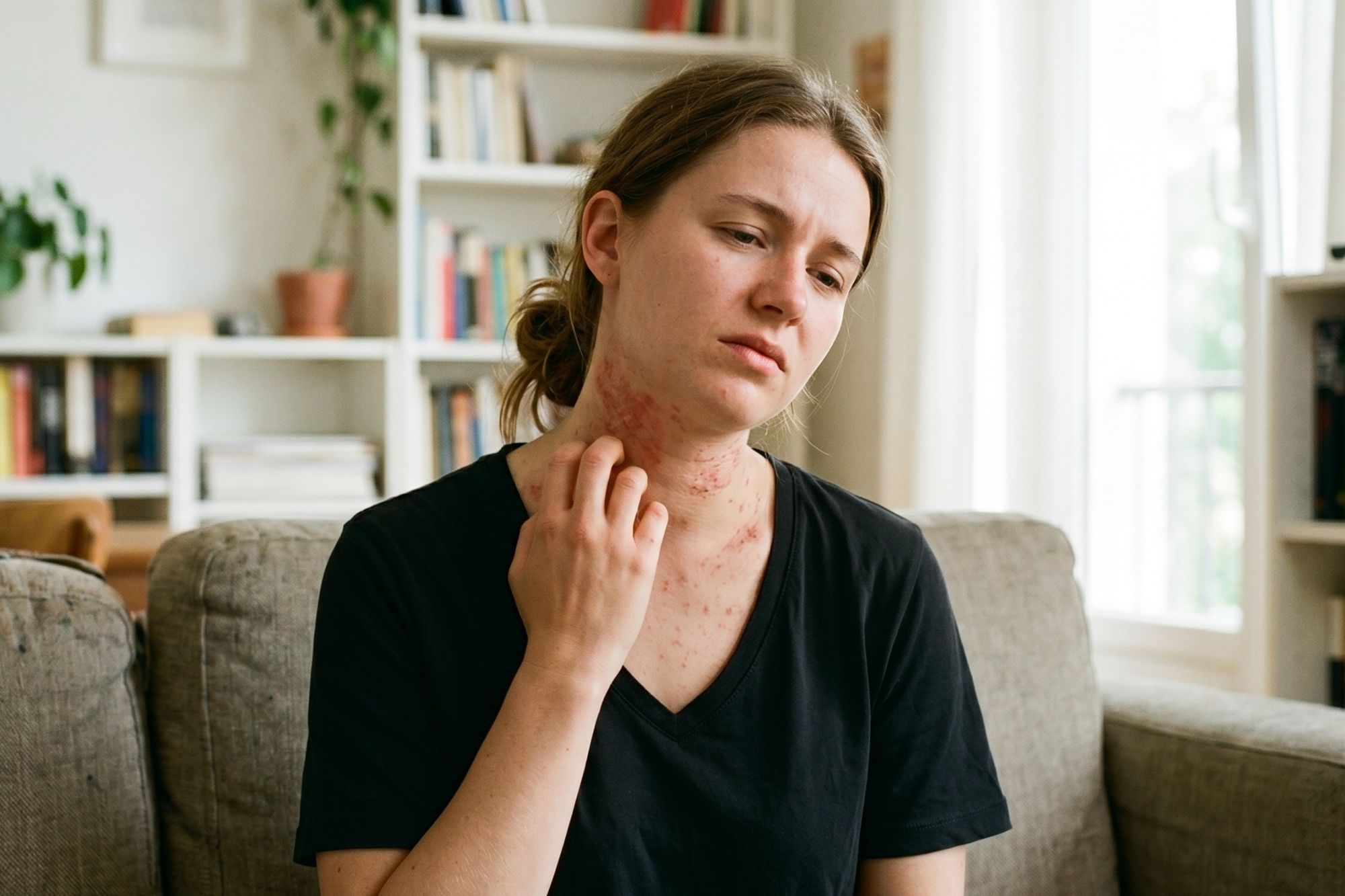
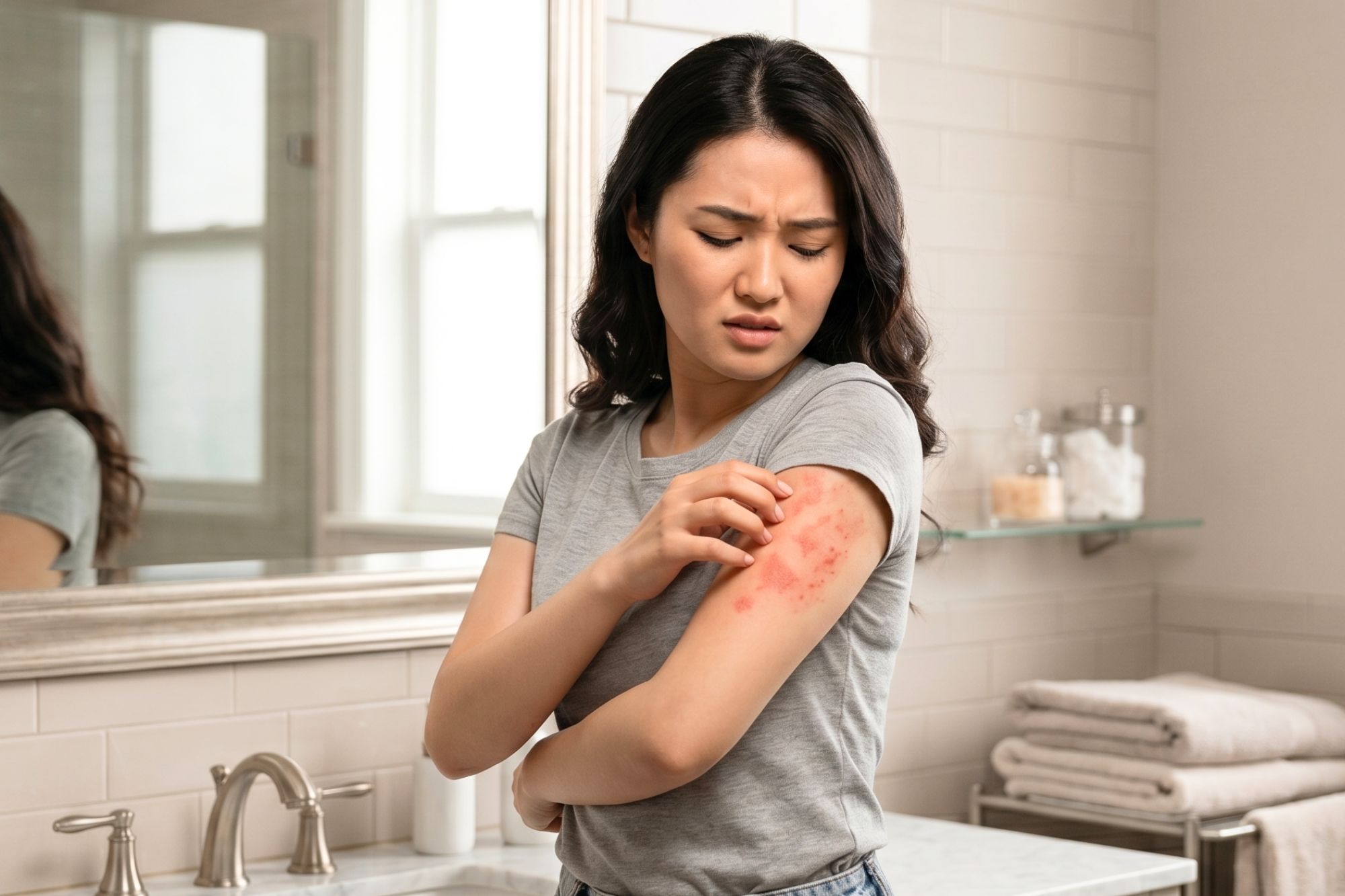
Dry, itchy skin

Red or scaly patches

Small bumps that ooze or scab

cracked skin

Thickened or cracked skin

Sun sensitivity

Tender or swollen skin

Start Consultation

Can eczema be treated online?

Do I need a prescription for eczema?

If your symptoms do not respond to OTC treatment, a prescription may be necessary. 

Do I need to consult a dermatologist for eczema?

Consulting a board-certified dermatologist is often the best way to keep your symptoms at bay. First-time consultations for eczema are $59-$69. Prescription renewals are around $39.

How to buy my eczema medication?

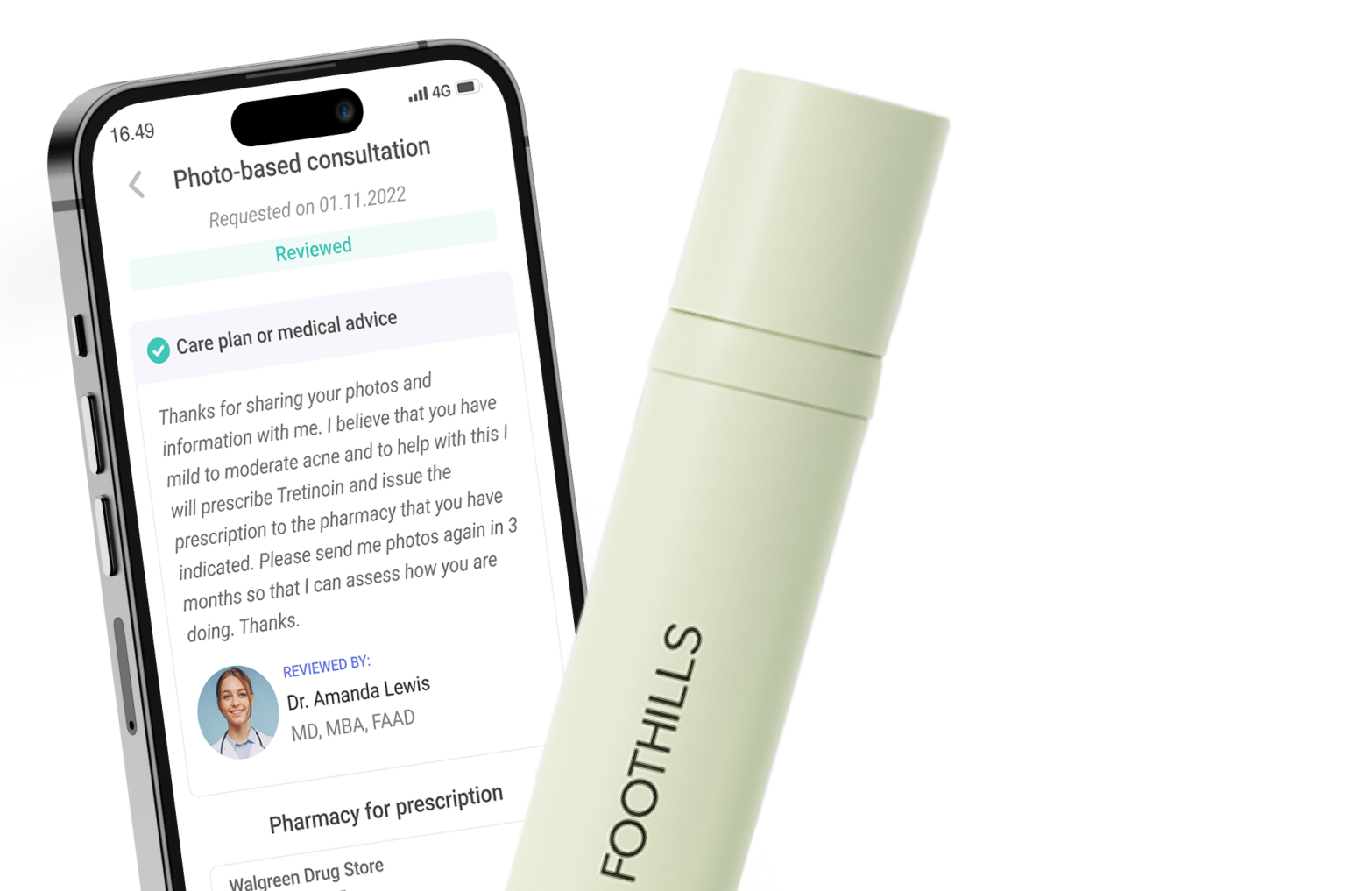
Your dermatologist can issue prescriptions to any pharmacy in the United States. If you are interested in a customized formula, select Foothills as your pharmacy. 
Start Consultation
request antifungal creams

Medications commonly prescribed for eczema

Your dermatologist will prescribe a medication depending on the type, severity, location of your eczema, as well as your age and medical history.

Topical medication for mild to moderate eczema

Topical corticosteroids
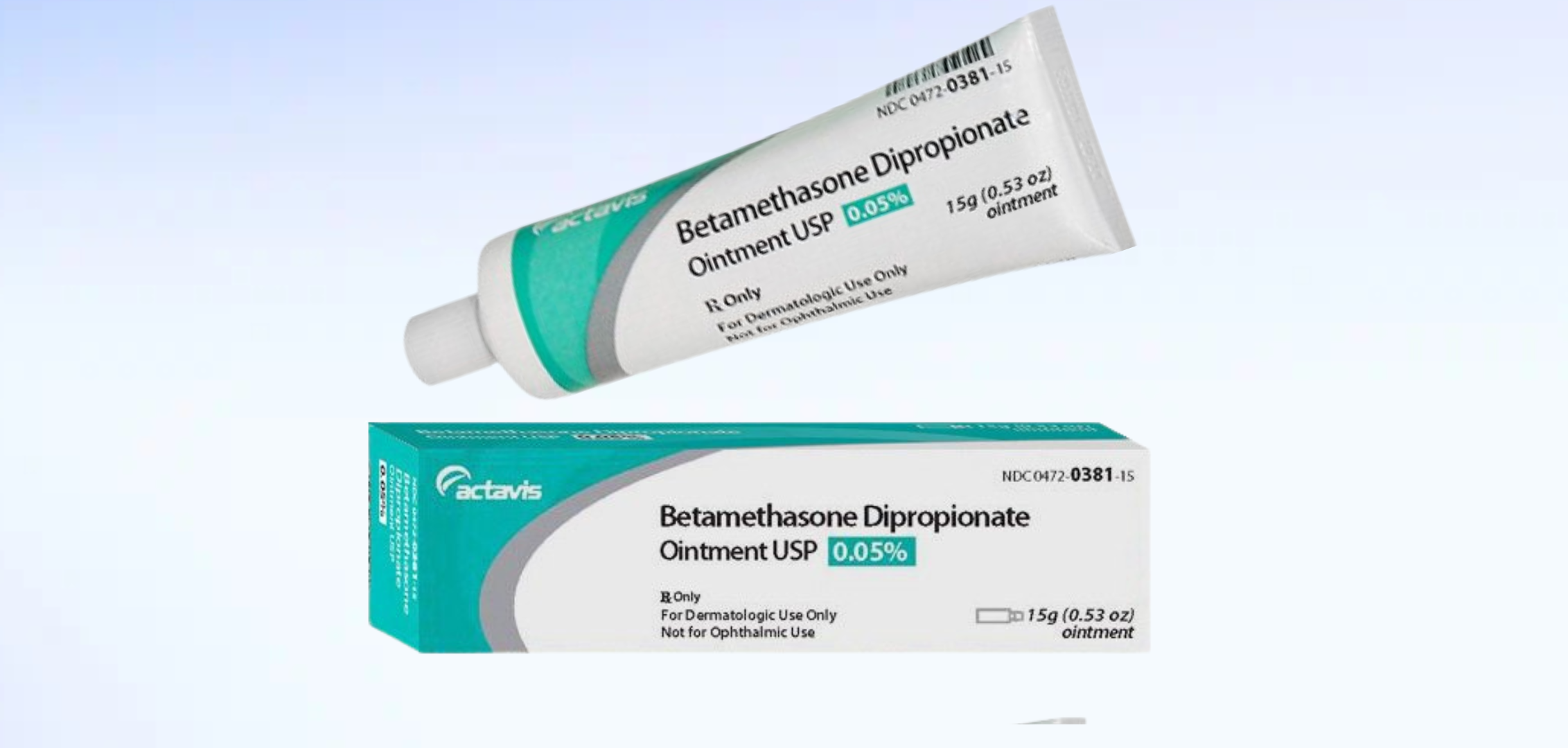
*Like fluocinolone acetonide or betamethasone dipropionate

Topical non-steroidal options
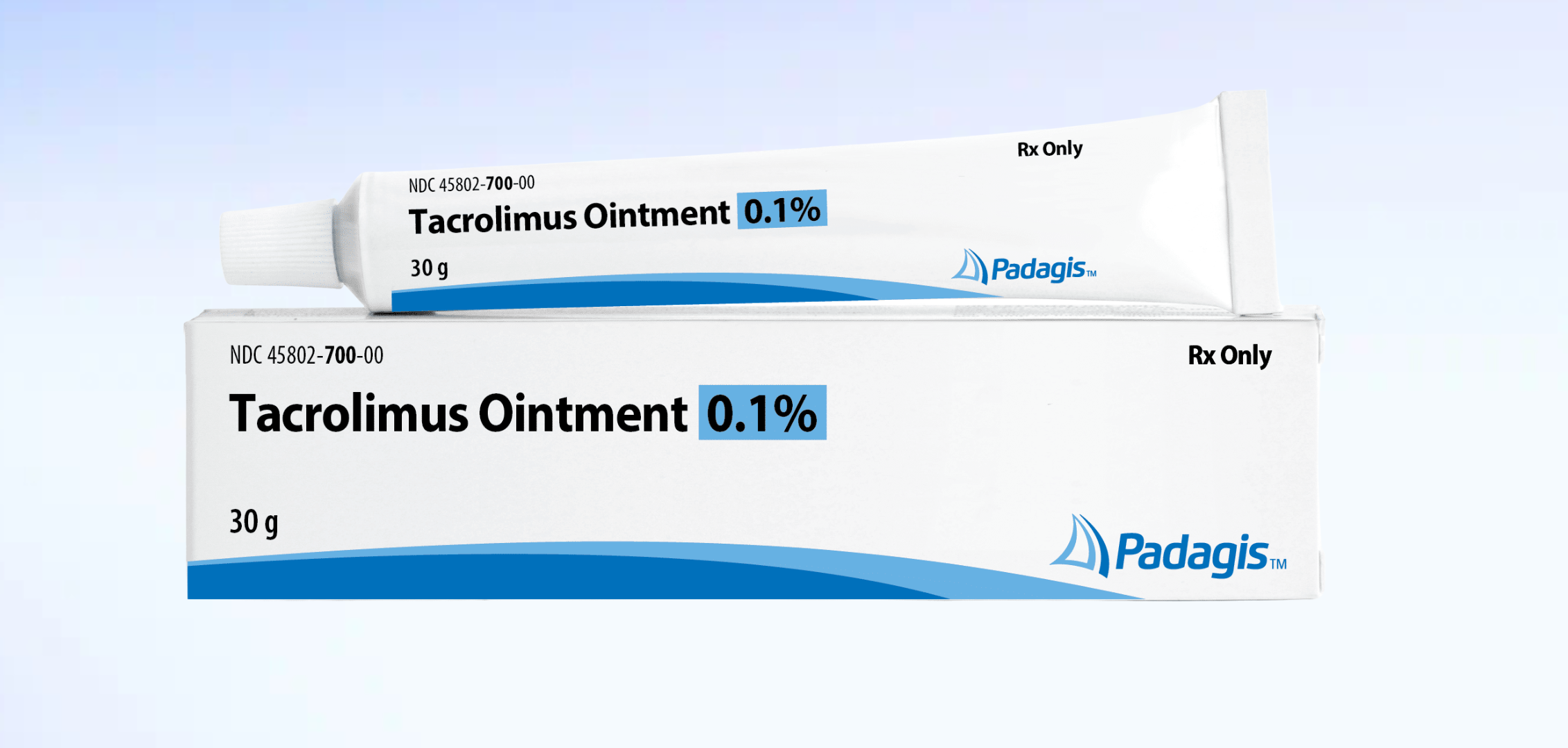
*Like tacrolimus or pimecrolimus

Prescription moisturizers
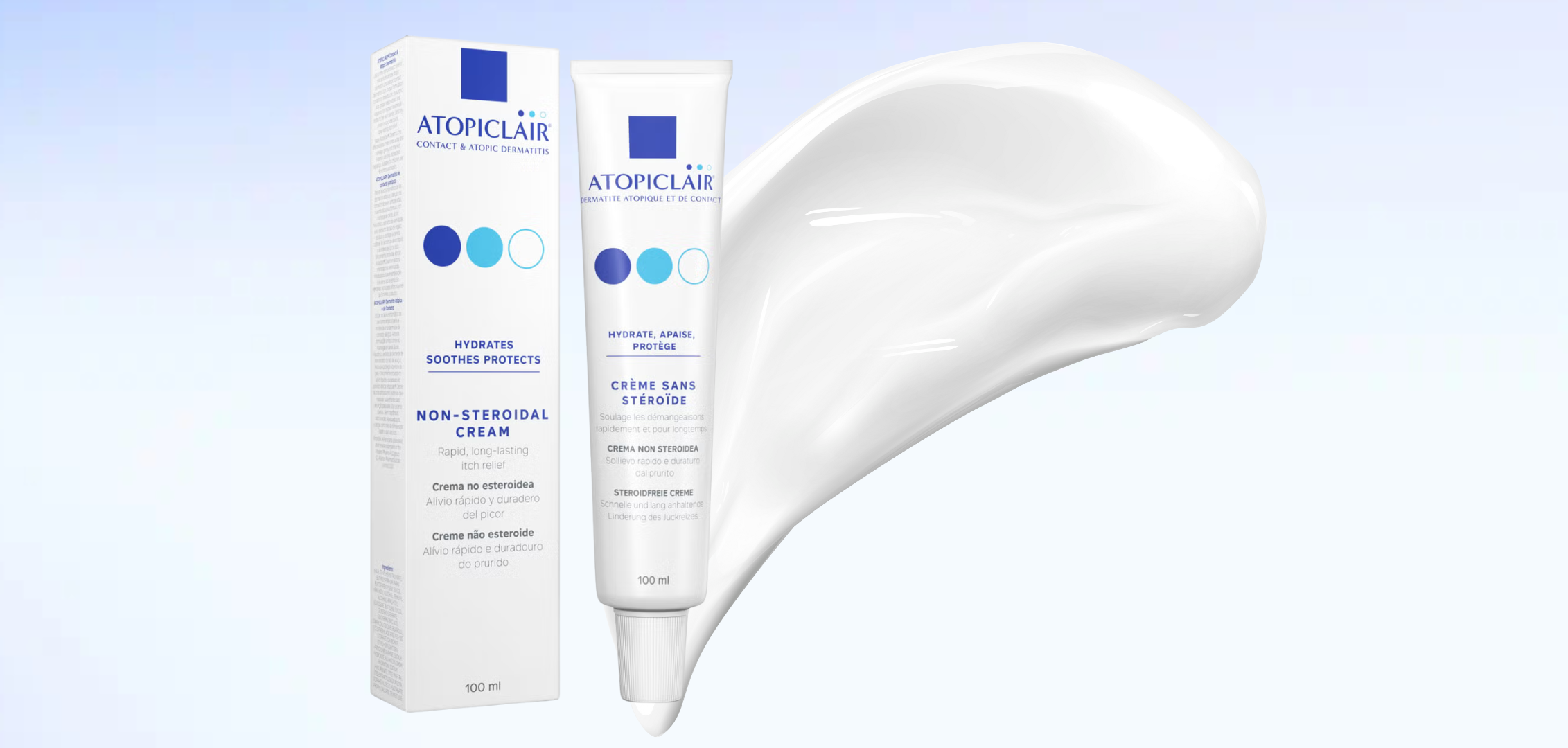
*Like Atopiclair 2% cream or Hylatopic Plus

Oral antihistamines
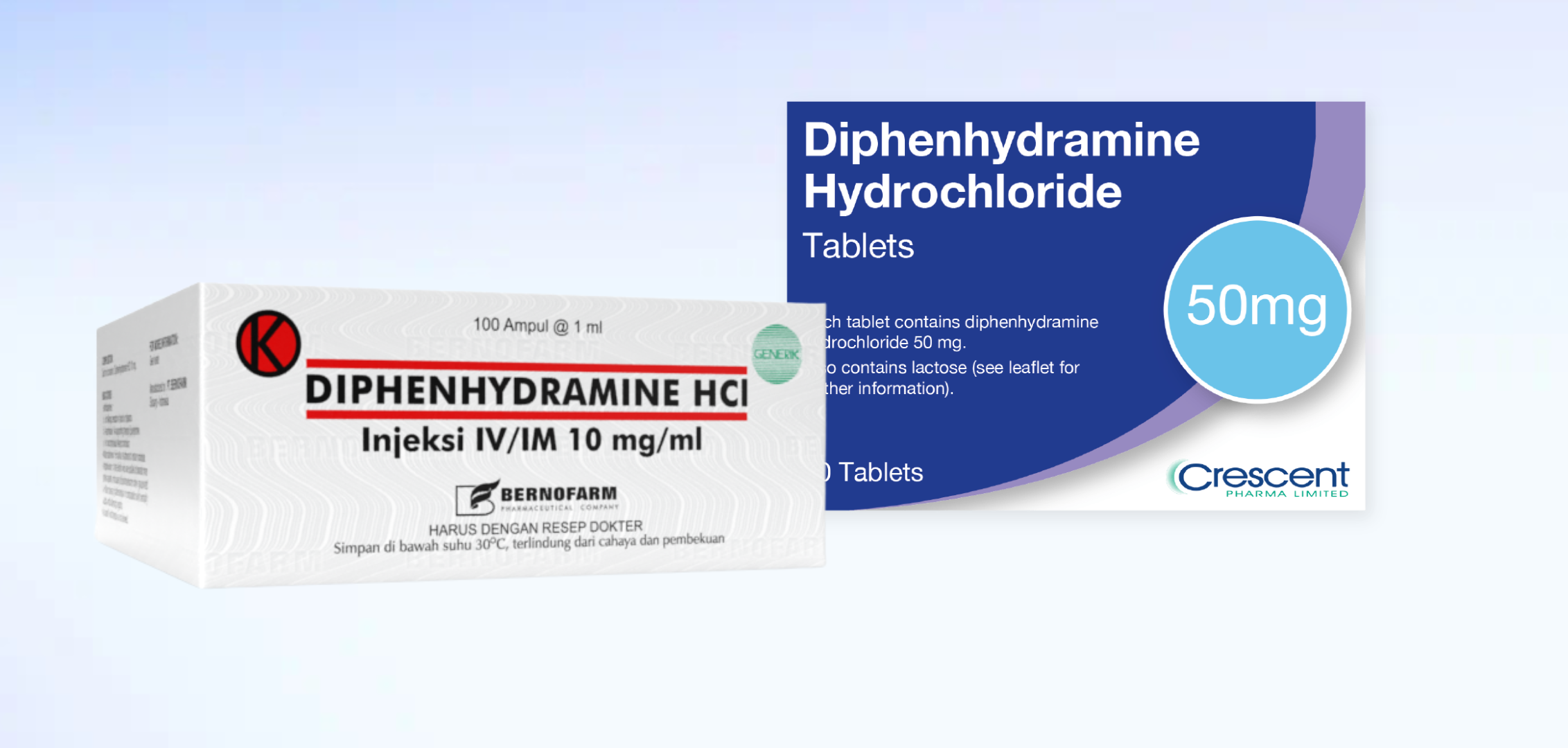
*Like hydroxyzine or diphenhydramine

Oral medication for eczema flares

Oral corticosteroids

*Like prednisone

*Please note that biologic medications cannot be prescribed through a telehealth consultation, as they require in-person medical evaluation and monitoring.
Start Consultation
anti-aging treatment with miiskin

Important Disclaimer: Compounded medications are not reviewed by the FDA for safety or efficacy.

Eczema treatment Rx

If you are interested in getting a personalized formula for your eczema, choose Foothills as your preferred pharmacy.

Your topical formula may include one or more of the following ingredients:

  • Hydrocortisone
  • Triamcinolone
  • Tacrolimus
  • Pimecrolimus
  • Ceramides
  • Niacinamide
Start Consultation

Eczema triggers

Harsh soaps and detergents

Sweating or overheating

Allergens like dust mites or pollen

Stress and emotional upset

Frequent hand washing

Certain fabrics (e.g., wool or synthetic materials)

Dry or cold weather

Food allergies

Fragranced skin or hair products9

Start Consultation

How to prevent eczema?

Dr. Om says that you can’t always prevent eczema completely (since genetics and immune system factors play a big role), but you can reduce the chances of flare-ups and keep symptoms under control with good daily habits:

IncludedApply a thick, fragrance-free moisturizer (ointment or cream, not lotion) at least twice a day.

IncludedMoisturize right after bathing to lock in hydration.

IncludedUse gentle, fragrance-free cleansers instead of soaps.

IncludedTake short, lukewarm showers (not hot).

IncludedGently pat skin dry—don’t rub.

IncludedUse a humidifier in dry climates or during winter.

IncludedIdentify and avoid personal triggers (dust mites, pollen, certain foods, stress).

IncludedWear soft, breathable fabrics (like cotton); avoid wool and scratchy materials.

IncludedUse mild, fragrance-free detergents for laundry.

IncludedLimit exposure to harsh chemicals, perfumes, and smoke.

IncludedManage stress, which can worsen flares.

IncludedMaintain good sleep habits.

IncludedKeep nails short to reduce skin damage from scratching10.

Meet the board-certified dermatologists

Miiskin partners exclusively with board-certified dermatologists who have helped more than 200,000 people through telehealth.

Get a clear overview of our dermatologists, including where they’re licensed to practice, their experience, specialties, typical response time, and number of telehealth consultations completed.


Meet the dermatologists
Customized Treatment Backed by Science
Mobile App to track mole changes

How does it work?

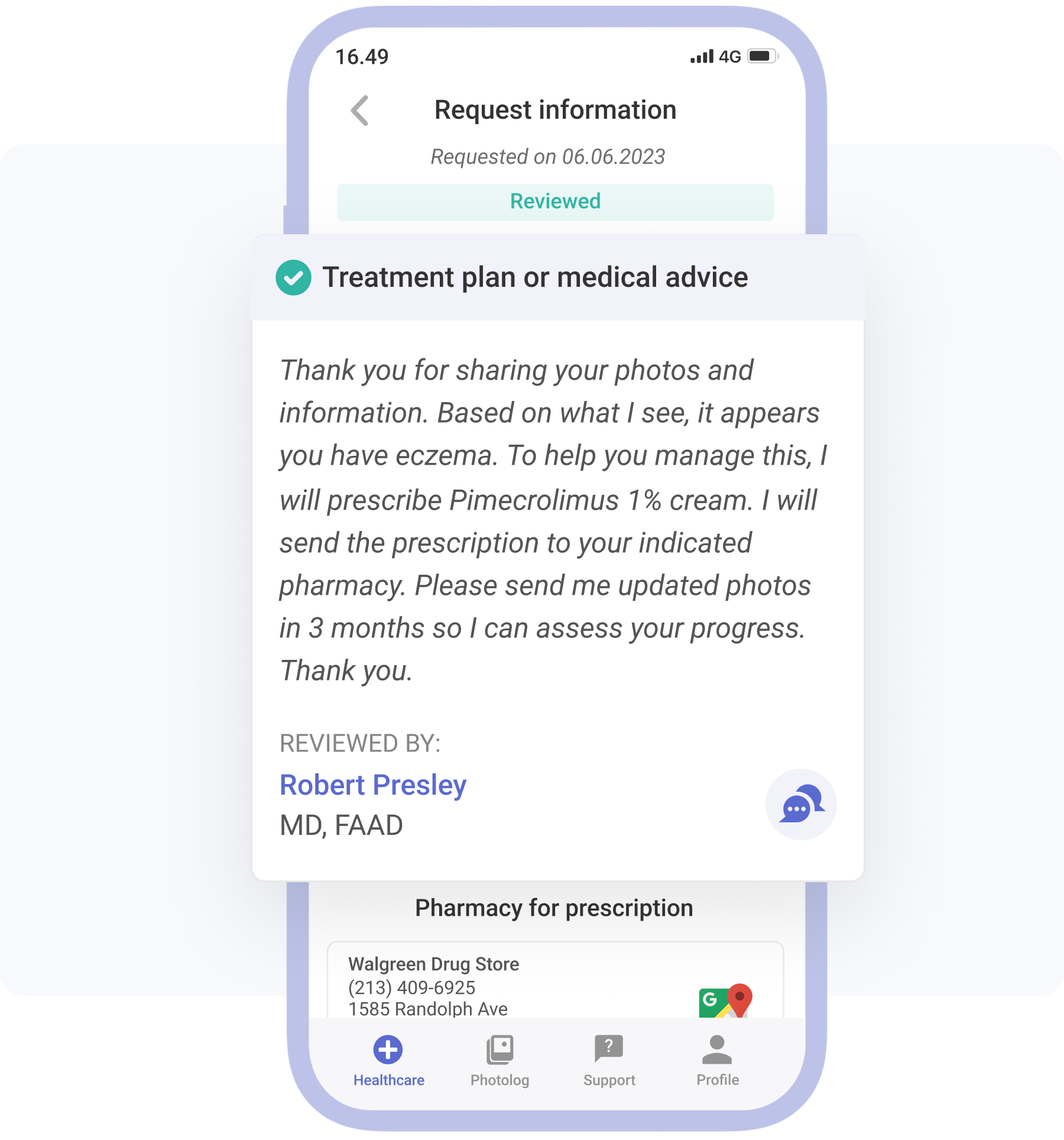
  1. Start consultation to get a diagnosis and treatment for your eczema.
  2. Get an answer from an online dermatologist in your state.
  3. Buy your medication at a pharmacy nearby and start treatment.
Start consultation

Frequently asked questions about eczema treatment

Dr. Amit Om, board-certified dermatologist, answers common patient questions about eczema treatment and care.

Who can benefit from a customized eczema cream?

Dr. Om says that anyone with eczema who struggles with persistent dryness, itching, inflammation, or flare-ups that don’t fully improve with standard over-the-counter treatments may benefit from a customized eczema cream. Personalized formulations can combine multiple active ingredients (such as anti-inflammatories, barrier-repair agents, antipruritics, or soothing components) tailored to your skin’s specific triggers and severity. This makes them especially helpful for people with sensitive skin, chronic eczema, or hard-to-treat areas that need a more targeted approach than a single-ingredient cream.

Important Disclaimer: Compounded medications are not reviewed by the FDA for safety or efficacy.

What causes eczema?

Dr. Om explains that eczema, or atopic dermatitis, is caused by a combination of genetic and environmental factors. Individuals with eczema often have a defective skin barrier that allows moisture to escape and irritants to penetrate, leading to inflammation. Triggers such as allergens, harsh soaps, stress, and weather changes can exacerbate the condition.

What are the best OTC eczema creams and ointments?

Dr. Om says that OTC eczema creams and ointments can help manage eczema by protecting and restoring the skin barrier. Moisturizers that are fragrance-free, gentle, and rich in oils are especially beneficial. Popular options include Aquaphor, Aveeno, CeraVe, Cetaphil, Eucerin, Gold Bond, Lubriderm, and Vaseline. These products can help lock in moisture, reduce dryness, and soothe irritation, making them an important part of daily eczema care.

Is eczema contagious?

According to Dr. Om, eczema is not contagious and cannot be spread from person to person through touch or close contact. It is an inflammatory skin condition related to immune system dysfunction and genetics, not an infectious disease.

How do eczema creams and ointments work?

Dr. Om states that eczema creams and ointments work by restoring the skin barrier, reducing inflammation, and relieving itching. Moisturizers hydrate the skin, while medicated creams, such as corticosteroids or calcineurin inhibitors, help calm the immune response and inflammation.

What does eczema look like?

Dr. Om describes eczema as red, inflamed, and often itchy patches of skin that may become dry, scaly, or crusted. In chronic cases, the skin may thicken or appear leathery due to repeated scratching.

What can be mistaken for eczema?

Dr. Om notes that conditions like psoriasis, fungal infections, contact dermatitis, and scabies can sometimes mimic eczema due to similar symptoms such as redness, scaling, and itching. Proper diagnosis is essential for effective treatment.

How do you identify eczema?

Dr. Om explains that eczema is identified by its clinical presentation—itchy, red, and inflamed skin, often in the creases of the arms, behind the knees, or on the face in children. A history of allergies or asthma and a chronic course can support the diagnosis.

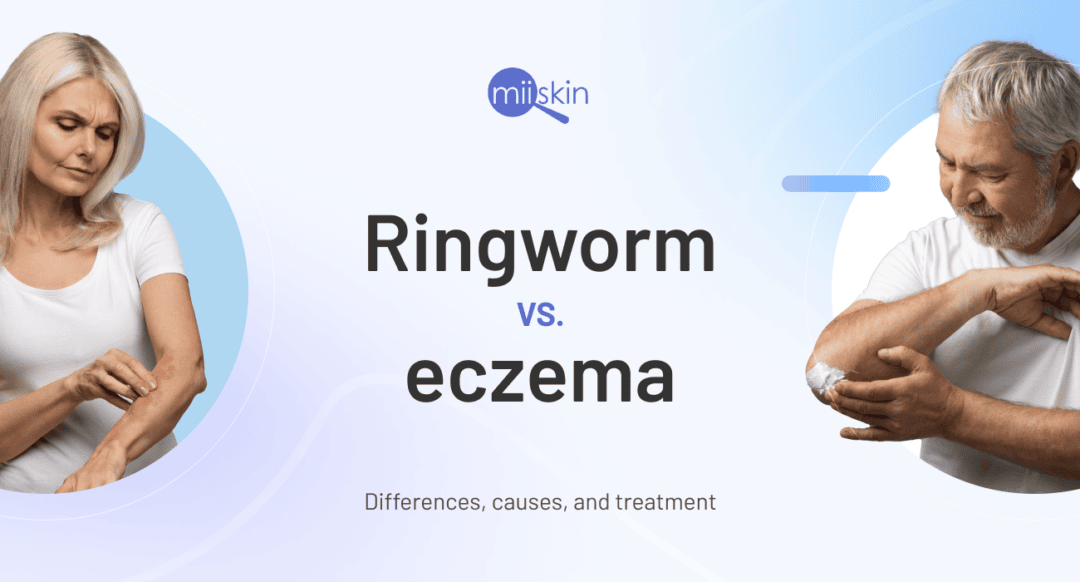
How to tell the difference between a fungal infection and eczema?

Dr. Om points out that fungal infections often have a well-defined border with scaling and sometimes central clearing, while eczema tends to be more diffuse with poorly defined edges. Fungal infections may worsen with corticosteroids, which usually help eczema. Sometimes, more tests are needed in person to distinguish the two.

What is the best over-the-counter cream for eczema?

Dr. Om recommends using over-the-counter creams containing ceramides, such as CeraVe or Eucerin Eczema Relief. These help restore the skin barrier and reduce itching and dryness.

What is the most effective eczema ointment or cream?

Dr. Om states that prescription topical corticosteroids are typically the most effective treatment for flares. It is important to note that steroids cannot be used for long periods of time safely. For long-term control, calcineurin inhibitors like tacrolimus or pimecrolimus can be helpful, especially for sensitive areas.

What cream makes eczema go away?

Dr. Om explains that no single cream “cures” eczema, but corticosteroid creams are highly effective in reducing inflammation during flares. Consistent use of moisturizers helps prevent recurrence.

What is the difference between eczema and dermatitis?

Dr. Om clarifies that when we discuss “eczema” we are mostly referring to the condition called atopic dermatitis. Eczema is a broader term that includes various types of skin inflammation, such as contact dermatitis, seborrheic dermatitis, and nummular dermatitis.

What clears up eczema fast?

Dr. Om advises that applying a potent corticosteroid cream as prescribed and using moisturizers multiple times daily can clear up mild to moderate eczema flares quickly, often within a few days to a week.

Is eczema a fungal infection?

Dr. Om confirms that eczema is not a fungal infection. It is an inflammatory skin condition involving immune dysfunction, while fungal infections are caused by microorganisms and require antifungal treatment.

Does vaseline help eczema?

Dr. Om says that Vaseline can be very helpful in managing eczema, especially as an occlusive moisturizer. It locks in moisture, protects the skin barrier, and soothes irritation when applied to damp skin.

How long until eczema clears?

Dr. Om notes that with appropriate treatment, a mild to moderate eczema flare can clear in one to two weeks. However, eczema is chronic, so long-term management is necessary to prevent future flares.

What happens if eczema is left untreated?

Dr. Om warns that untreated eczema can lead to increased itching, skin thickening, pigmentation changes, and a higher risk of infections due to skin barrier breakdown and scratching.

Can stress cause eczema?

Dr. Om acknowledges that stress is a well-known trigger for eczema flares. Psychological stress can worsen inflammation and disrupt the skin barrier, leading to increased symptoms.

What is psoriasis vs eczema?

Dr. Om explains that psoriasis and eczema are both inflammatory skin conditions but differ in cause and appearance. Psoriasis has well-defined, silvery scales and often affects elbows and scalp, while eczema is itchier, redder, and more common in skin folds.

How to calm eczema?

Dr. Om recommends using fragrance-free moisturizers, avoiding known irritants, applying topical steroids during flares, and using cool compresses to soothe itching. Identifying and avoiding triggers is also crucial.

Can eczema spread?

Dr. Om clarifies that eczema itself does not spread from person to person, but new patches can appear in different areas of the body, especially if triggers persist or the condition is not managed properly.

References:
1https://www.ncbi.nlm.nih.gov/books/NBK538209/
2https://www.mayoclinic.org/diseases-conditions/atopic-dermatitis-eczema/symptoms-causes/syc-20353273
3https://my.clevelandclinic.org/health/diseases/6173-contact-dermatitis
4https://nationaleczema.org/types-of-eczema/dyshidrotic-eczema/
5https://my.clevelandclinic.org/health/diseases/22757-nummular-eczema
6https://my.clevelandclinic.org/health/diseases/14403-seborrheic-dermatitis
7https://my.clevelandclinic.org/health/diseases/24388-venous-stasis-dermatitis
8https://my.clevelandclinic.org/health/diseases/9998-eczema
9https://my.clevelandclinic.org/health/diseases/9998-eczema
10https://www.webmd.com/skin-problems-and-treatments/eczema/live-better-eczema

EXPLORE ARTICLES
image showing eczema on hand and asking how to get dyshidrotic eczema treatment cream
nummular eczema vs ringworm


MiiSkin Dermatologists

  • Facebook
  • Instagram

Miiskin App

Miiskin App

For HCPs

Join the Miiskin network

Dermatologists using Miiskin

Pricing

Patient Engagement

Miiskin Features

FAQ for dermatologists

For patients

Find a dermatologist

Miiskin app

In-person vs. online dermatology

Apostrophe skincare alternative

Miiskin Reviews

FAQ for patients

Company

About Miiskin

Educational Content

Media Kit & News

Contact

Careers

Visit the Mexican website

Miiskin is an online dermatology consultations platform that connects patients with independent dermatologists.

All consultations are provided by independent online dermatologists on a cash-pay-only basis. Miiskin does not practice medicine or pharmacy. Prescriptions, if medically appropriate, are sent to third-party pharmacies, which are paid directly for any medication. Medication images on the website are for illustrative purposes only and images of people are not actual patients. Medical information on miiskin.com is for informational purposes and not medical advice. Consult a healthcare provider for any concerns.

Verify Approval for Miiskin.com HIPAA Compliance Verification - Miiskin.com


Terms of Service · Privacy Information · Cookie Information · HIPAA · GDPR · Miiskin © 2026

Online dermatologistNeed a topical prescription for eczema?
Consult a dermatologist →