
Salicylic acid and lactic acid: What are they and can you use them together?
Salicylic and lactic acids are hydroxy acids widely used in skincare due to their exfoliating properties, but they have different mechanisms of action. Keep reading to find out how you can combine them to get radiant skin.

Table of Content:
Alpha Hydroxy Acids | Beta Hydroxy Acids | What is the difference between lactic vs salicylic acid? | Can you use them together? | Can you find them over the counter? | How to get a prescription? | What is salicylic acid and what does it do? | What is lactic acid and what does it do?

Our commitment to producing high-quality content:
The information presented in this article is based on scientific research and the professional advice of our Content Medical Reviewers, who are experts in the field of Dermatology. How we write our content →
If you’re comparing salicylic acid vs lactic acid, you may be wondering which ingredient is better for acne, clogged pores, rough texture, or sensitive skin. While both are exfoliating acids commonly used in skincare, they work differently and may be better suited for different skin concerns and skin types.
Salicylic acid is a beta hydroxy acid (BHA) that penetrates into pores to help reduce oil buildup, blackheads, and acne breakouts, making it especially popular for oily and acne-prone skin. Lactic acid, on the other hand, is an alpha hydroxy acid (AHA) that exfoliates the surface of the skin more gently while also helping improve hydration, dullness, and uneven texture.
In this article, you’ll learn the key differences between salicylic acid and lactic acid, how dermatologists use each ingredient for acne and skin texture concerns, and which option may be more appropriate depending on your skin type, sensitivity, and skincare goals.
Because exfoliating acids can sometimes cause irritation or over-exfoliation when used incorrectly, choosing the right skincare routine is important for maintaining a healthy skin barrier. Through Miiskin, you can get an online consultation with licensed dermatologists and explore personalized prescription skincare treatments designed for acne, clogged pores, uneven texture, discoloration, and other common skin concerns.
What are Alpha Hydroxy Acids?
Alpha Hydroxy Acids (AHAs) are a group of natural acids found in skincare products, including anti-aging serums, creams, and chemical peels. Common AHAs include glycolic acid (from sugar cane), lactic acid (from lactose or other carbohydrates), citric acid (from citrus fruits), malic acid (from fruits), and tartaric acid (from grapes). Among them, glycolic and lactic acids are the most extensively researched and widely used in skincare due to their effectiveness and lower potential for causing irritation1 2 .
What are Beta Hydroxy Acids?
Beta Hydroxy Acids (BHAs) work as an exfoliant since they cause the cells of the outermost layer of the skin to shed, making room for the regrowth of new skin. In addition to renewing cells, BHA reduces excess sebum and prevents pores from clogging3.
Although there are a few different Beta Hydroxy Acids, only salicylic acid (or related ingredients such as salicylate, sodium salicylate) is used in the skincare industry.
Lactic acid vs salicylic acid: what is the difference?
The main difference between lactic acid and salicylic acid is that lactic acid is water-soluble4, while salicylic acid is oil-and-water soluble5. Salicylic acid can also penetrate a pore containing oily sebum and exfoliate the dead skin cells that build up inside the pore.
According to Dr. Carolina Fernandez Quiroga, expert dermatologist “If you have dry skin, an AHA is recommended because it will be more gentle on your skin. If you have oily skin, a BHA is recommended because it will be more effective at penetrating pores and removing blemishes.”
Dr. Fernandez also mentioned that the use of a salicylic acid is also not recommended for people with darker skin types (Fitzpatrick Types IV, V, VI) because it can cause hyperpigmentation on untreated skin.
Can you use lactic and salicylic acids together?
Yes, you can use lactic and salicylic acid together, especially if they are mixed in the same product. If not, try using them on alternate days to avoid irritating your skin.
Are salicylic and lactic acid over the counter (OTC)?
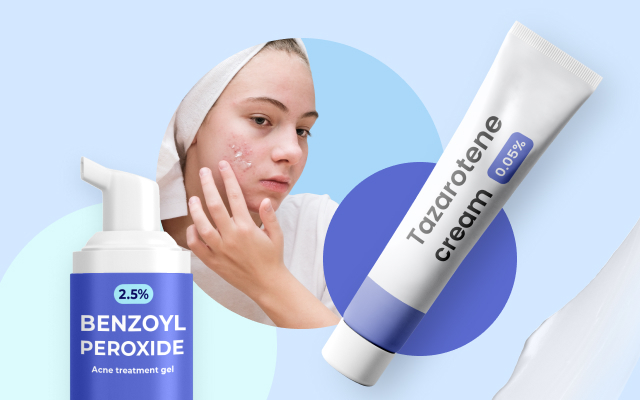
Yes, you can find many different brands of salicylic and lactic acid over the counter (OTC) in products with low concentrations.
Can I mix vitamin C with lactic and salicylic acid?
Salicylic and lactic acids should not be mixed at the same time as vitamin C, which is also an acid. Combining these ingredients will lose the effect on the skin and is likely to be useless or cause irritation.
What is salicylic acid and what does it do?
Salicylic acid is originally derived from the bark of willow trees, acts as a chemical peel, and it is widely used as a skin care ingredient6.
Salicylic acid is used to address several skin problems, such as psoriasis, acne, rough and bumpy skin (also known as keratosis pilaris), melasma and photodamage7.
Salicylic acid can contribute to a softer and smoother skin texture by facilitating the removal of dead skin cells, unveiling a more vibrant and healthier complexion.
Salicylic acid benefits
- It removes dead skin cells
- Prevents dead skin cells from clogging pores
- Reduces the appearance of scars caused by acne
- Combats inflammation
- Decreases sebum production8
Salicylic acid: What skin type is best for?
According to Dr. Carolina Fernandez, expert dermatologist, due to its enhanced lipid solubility, salicylic acid can effectively permeate congested pores, reducing sebum production, making it particularly advantageous for individuals with oily or acne-prone skin. It’s essential to use sunscreen responsibly and exercise caution when combining it with other exfoliants to prevent potential adverse reactions. When uncertain, it is advisable to seek guidance from a medical professional.
Precautions when using salicylic acid
Avoid using the same ingredient on several products, stick to lower concentrations unless you are under medical supervision, and always use sunscreen with SPF 50.
Hydroxy acids should not be used on children under 12 years of age as they may cause side effects.
What can you not mix with salicylic acid?
A product that contains salicylic acid should not be mixed with another product that contains glycolic acid or retinol.
According to Dr. Carolina Fernandez, an expert dermatologist, you can use glycolic and salicylic acid together if they are combined in the same product. Salicylic and glycolic acids complement one another effectively. Combining glycolic and salicylic acids in a single product is effective, but it’s essential to introduce it gradually and be mindful of any potential skin sensitivity.
Also, don’t use Vitamin C with salicylic acid because when these components are combined, the efficacy of the vitamin C product is practically decreased.
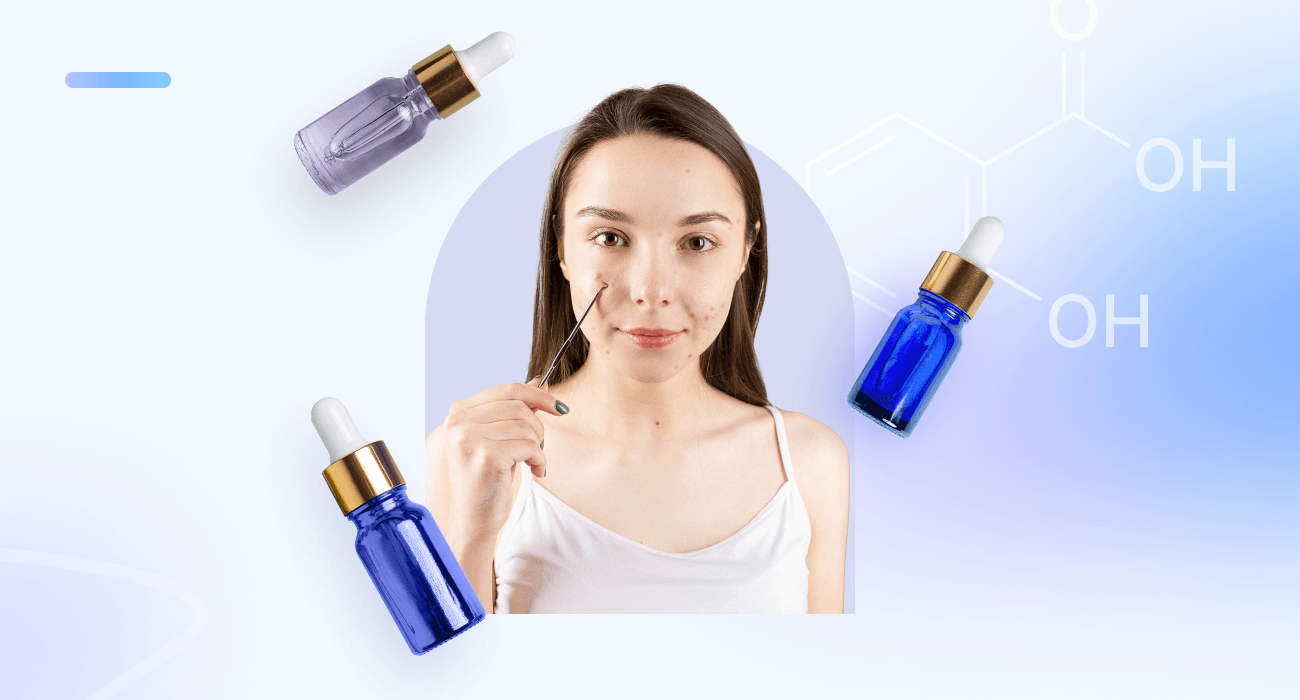
Over the Counter Acne Products
What is lactic acid and what does it do?
Lactic acid is one of the most common AHAs in cosmetic products, such as over-the-counter chemical exfoliants and professional chemical peels. Lactic acid is usually derived from milk, but it can also derive from fermented sugar-rich foods; it removes the top layers of dead skin cells and increases the skin’s thickness, promoting firmness9.
Benefits of lactic acid
- Improves skin texture and tone
- Improves skin firmness
- Reduces dark spots and pigmentation
- Smoothes fine lines and wrinkles
- It gives a brighter and smoother complexion
- Reduces the appearance of pores10
Lactic acid: What skin type is best for?
According to Dr. Fernandez, it is particularly recommended for sensitive, dry and mature skin, but people with all skin types can use it.
Precautions when using lactic acid
Avoid using similar products at the same time and consult your dermatologist if you want to use prescription-strength products. Always use sunscreen with a high SPF factor.
What can you not mix with lactic acid?
Don’t use Vitamin C with lactic acid. Vitamin C, which is an acid, and AHAs and BHAs, such as glycolic, salicylic, and lactic acids, should never be used together. Because of Vitamin C’s instability, the pH balance is lost when these components are combined, rendering their effect on the skin either completely ineffective or irritating.
Conclusion
You can use salicylic and lactic acid together; however it is recommended that you do this under medical supervision as these skin care ingredients, although they can be found over the counter, can potentially irritate your skin.
It is recommended that you seek personalized advice from your online dermatologist so they can advise you what hydroxy acid combination is more suitable for your skin problem and the type of your skin.
Lee el artículo en Español Ácido salicílico y ácido láctico ¿Qué son y para qué sirven?
Article References:
https://pubmed.ncbi.nlm.nih.gov/19245467/
https://www.fda.gov/cosmetics/cosmetic-ingredients/alpha-hydroxy-acids
https://www.fda.gov/cosmetics/cosmetic-ingredients/beta-hydroxy-acids
https://pubmed.ncbi.nlm.nih.gov/8415411/
https://www.ncbi.nlm.nih.gov/pmc/articles/PMC4554394/
https://www.acs.org/molecule-of-the-week/archive/s/salicylic-acid.html#
https://www.ncbi.nlm.nih.gov/pmc/articles/PMC4554394/
https://pubmed.ncbi.nlm.nih.gov/30972839/
https://www.webmd.com/vitamins/ai/ingredientmono-1686/lactic-acid



 Need prescription skincare?