
Best acne treatments for teens & young adults
Dr. Anne Allen, board-certified dermatologist and pediatric dermatologists talks about the most popular acne treatments for teens and young adults.

Covered in this article:
When to consult a derm for teen acne? | How to consult a dermatologist? | Treatment price | Medication overview | Treatment comparison | Best treatment for teen boys | Best treatment for teen girls | Best OTC acne treatment

Our commitment to producing high-quality content:
The information presented in this article is based on scientific research and the professional advice of our Content Medical Reviewers, who are experts in the field of Dermatology. How we write our content →
Acne is one of the most common skin conditions worldwide, yet it affects teenagers and young adults more than any other age group. In fact, up to 85% of adolescents will experience acne at some point during puberty, making it an almost universal part of growing up.
While breakouts can occur throughout life, the surge in hormones during adolescence triggers increased oil production, clogged pores, and inflammation, creating the ideal conditions for acne to develop. Understanding why acne peaks during these years can help explain not only how it forms, but also why early treatment and the right skin care are so important for preventing long-term scarring and improving confidence.
Dr. Anne Allen, double board-certified dermatologist and pediatric dermatologist, explains her preferred medication combinations to treat acne in teens and young adults.
When to consult a dermatologist for acne as a teenager or young adult?
You should see a dermatologist if your acne is moderate to severe, causes painful cysts or nodules, leaves scars or dark marks, or does not improve after 8 to 12 weeks of consistent treatment with over-the-counter products like benzoyl peroxide or adapalene.
Treating acne at an early stage can help prevent acne from getting worse and permanent scarring while ensuring you receive the most effective prescription medications when needed.¹²
How to consult an online dermatologist?
You can start a consultation through Miiskin. Users typically receive a response from their chosen dermatologist in 14.4 hours on average (it may take up to 48 hours to get an answer, although this is rarely the case).
If you’re weighing your options, it’s worth comparing a few online acne treatment services to see which offers the right balance of dermatologist access, pricing, and prescription flexibility for a teen or young adult.
What is the price of my acne treatment through Miiskin as a teenager or student?
Miiskin does not sell any medications, so you have 2 choices. The first option is you can buy your medication at a local pharmacy if you want a standard medication. If you want a customized acne formula for your skin, you can order your medication through Foothills Pharmacy, Miiskin’s trusted pharmacy partner. To see the price of acne medication available through Foothills Pharmacy, click here.
Best prescription acne treatment for teens and young adults
Dr. Allen says that since acne is caused by multiple factors such as excess oil production, clogged pores, bacteria, and inflammation, using a combination of treatments is often the most effective approach. Combination therapy targets several underlying causes at the same time, helping to clear existing breakouts, prevent new ones, and improve overall treatment outcomes.
Clindamycin and tretinoin
Dr. Allen says this is one of her favorite treatments when treating acne in teens and young adults because clindamycin and tretinoin are a well-established combination for treating mild to moderate inflammatory acne. Clindamycin reduces Cutibacterium acnes bacteria and inflammation, while tretinoin normalizes skin cell turnover to prevent clogged pores and reduce both existing and future comedones. Clinical trials have shown that this combination is often more effective than either medication alone, and it is recommended as a first-line treatment in both the American Academy of Dermatology (AAD) and NICE acne guidelines.¹ ² ³
Adapalene and benzoyl peroxide
Dr. Allen says this is another popular medication combination for teenagers and young adults since adapalene and benzoyl peroxide also target multiple causes of acne making this one of the most effective first-line therapies for adolescents. Adapalene, a topical retinoid, prevents clogged pores and reduces inflammation, while benzoyl peroxide rapidly kills C. acnes bacteria without contributing to antibiotic resistance. Clinical trials have demonstrated that the fixed-dose adapalene/benzoyl peroxide gel is significantly more effective than either ingredient alone. As a result, this combination receives a strong recommendation in the AAD, NICE, and European acne treatment guidelines.² ⁴ ⁵
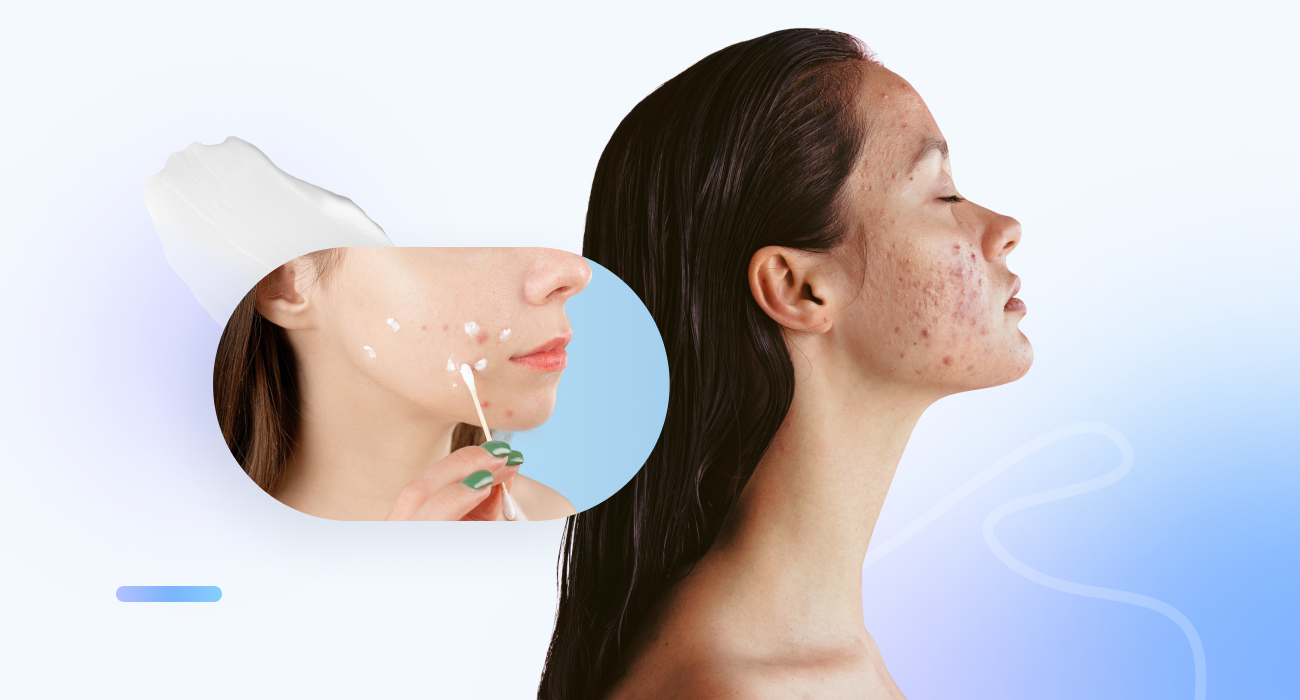
Acne-Prone Skin Care
Tretinoin and topical spironolactone
Dr. Allen says that tretinoin combined with topical spironolactone offers a multi-targeted approach for acne, particularly in adolescent girls and young women with hormonally influenced breakouts. Tretinoin helps prevent clogged pores and improves skin cell turnover, while topical spironolactone aims to reduce the local effects of androgens on sebaceous glands, decreasing excess oil production. Although evidence for topical spironolactone is still emerging, early studies and systematic reviews suggest that topical spironolactone is promising and appears to be safe and effective, although evidence is still emerging. Tretinoin remains one of the best-studied topical retinoids and is recommended as a cornerstone of acne therapy by major dermatology guidelines.¹ ⁶ ⁷
Tretinoin and azelaic acid
Dr. Allen says that tretinoin and azelaic acid complement each other by treating active acne while also improving skin tone after breakouts heal. Tretinoin reduces the formation of clogged pores and promotes skin renewal, while azelaic acid has antibacterial, anti-inflammatory, and pigment-reducing properties that make it particularly useful for patients with post-inflammatory hyperpigmentation. Although clinical trials evaluating the fixed combination are limited, both medications are independently supported by strong evidence and are recommended in international acne treatment guidelines.¹ ³ ⁷
Spironolactone and clindamycin
According to Dr. Allen, spironolactone and clindamycin can be an effective treatment strategy for adolescent girls and young women with moderate to severe hormonal acne. Spironolactone reduces the effects of androgens on sebaceous glands, decreasing sebum production, and addressing one of the root causes of hormonal acne. Clindamycin decreases bacterial growth and inflammation. The landmark SAFA randomized controlled trial demonstrated that spironolactone significantly improves acne outcomes in women, while topical clindamycin remains an effective anti-inflammatory treatment when used in combination with other acne therapies rather than as monotherapy.¹ ⁸
Clindamycin and benzoyl peroxide
Dr. Allen says that clindamycin and benzoyl peroxide are among the most widely studied topical acne combinations. Clindamycin reduces inflammation and bacterial growth, while benzoyl peroxide rapidly kills C. acnes and helps prevent the development of antibiotic resistance, a key reason why dermatology guidelines recommend using topical antibiotics only in combination with benzoyl peroxide. Clinical trials have consistently shown that the fixed-dose combination is more effective than either ingredient alone, making it a first-line option for inflammatory acne in adolescents and young adults.¹ ³ ⁵ ⁷
Spironolactone, tretinoin, and clindamycin
Dr. Allen says that this three-medication regimen targets nearly every major factor involved in acne development. Spironolactone decreases hormone-driven oil production, tretinoin prevents clogged pores and promotes healthy skin turnover, and clindamycin reduces bacterial growth and inflammation. Although no large randomized trials have evaluated this exact triple combination, each medication has independently demonstrated efficacy, and combination therapy targeting multiple pathogenic pathways is recommended by the American Academy of Dermatology for patients with moderate to severe acne.¹ ⁷ ⁸
What is the best acne treatment for teen boys and teen girls?
| Medication combination | Teen boys or young men | Teen girls or young women | Why it works |
| Adapalene + Benzoyl Peroxide | ⭐⭐⭐⭐⭐ | ⭐⭐⭐⭐⭐ | Excellent first-line treatment for both sexes. Targets clogged pores, bacteria, and inflammation without antibiotics. |
| Clindamycin + Tretinoin | ⭐⭐⭐⭐☆ | ⭐⭐⭐⭐☆ | Effective for inflammatory acne in both boys and girls. Should be used for a limited duration because of antibiotic stewardship. |
| Clindamycin + Benzoyl Peroxide | ⭐⭐⭐⭐☆ | ⭐⭐⭐⭐☆ | Very good for inflammatory acne. Benzoyl peroxide helps reduce antibiotic resistance. |
| Tretinoin + Azelaic Acid | ⭐⭐⭐☆☆ | ⭐⭐⭐⭐☆ | Useful for mild acne and especially for fading post-acne marks. Often preferred in girls because hyperpigmentation can be a major concern, but beneficial for boys as well. |
| Tretinoin + Topical Spironolactone | ⭐☆☆☆☆ | ⭐⭐⭐⭐☆ | Most appropriate for girls or young women with hormonally influenced acne. Limited evidence and not routinely used in boys. |
| Oral Spironolactone + Clindamycin | ☆☆☆☆☆ | ⭐⭐⭐⭐⭐ | Recommended only for females. Oral spironolactone is an effective hormonal treatment but is generally not prescribed to adolescent boys because it blocks androgen receptors and may cause unwanted hormonal effects. |
| Spironolactone + Tretinoin + Clindamycin | ☆☆☆☆☆ | ⭐⭐⭐⭐⭐ | Reserved for girls with moderate-to-severe hormonal acne. Not appropriate for boys. |

Best acne treatment for teen boys or young men
Dr. Allen says that for adolescent boys or young men, acne is usually driven by the surge in testosterone during puberty. Although testosterone is responsible, blocking testosterone is not appropriate, because it plays a vital role in normal male development. Instead, treatment focuses on keeping pores clear, reducing bacteria, and controlling inflammation.
The best evidence-based options are:
- Adapalene + benzoyl peroxide (best overall first-line treatment)
- Clindamycin + benzoyl peroxide (particularly for inflammatory acne; use for a limited duration)
- Tretinoin + azelaic acid (especially if post-inflammatory hyperpigmentation is present)
Best acne treatment for teen girls or young women
According to Dr. Allen, girls can develop acne from the same puberty-related changes as boys, but hormonal fluctuations related to the menstrual cycle can also contribute. Because of this, additional hormone-targeted treatments become an option.
The best options are:
- Adapalene + benzoyl peroxide (excellent first-line treatment regardless of hormonal status)
- Clindamycin + tretinoin
- Clindamycin + benzoyl peroxide
- Oral Spironolactone (often combined with tretinoin or topical antibiotics for moderate-to-severe hormonal acne)
- Tretinoin + topical spironolactone (emerging option with promising evidence)
- Tretinoin + azelaic acid (particularly when acne marks or post-inflammatory hyperpigmentation are a concern)
What is the best OTC acne treatment for teens and young adults?
According to Dr. Allen, for most teenagers and young adults, dermatologists recommend starting with adapalene 0.1% or benzoyl peroxide (2.5–5%), as these ingredients have the strongest clinical evidence and are recommended by major acne treatment guidelines. For inflamed acne, benzoyl peroxide is often the best first choice, while adapalene is particularly effective for preventing clogged pores and reducing future breakouts. Salicylic acid and azelaic acid can also be beneficial, especially for milder acne or for treating acne marks.
If acne does not improve after 8–12 weeks of consistent OTC treatment, becomes painful or cystic, or begins to cause scarring, it is important to see a healthcare professional or dermatologist. Prescription treatments may be needed to better control the condition and prevent long-term skin damage.
See Dr. Allen’s Instagram post on over-the-counter treatments for acne
Adapalene 0.1%
Adapalene 0.1% gel is the only topical retinoid available over the counter in many countries, including the United States. It helps normalize skin cell turnover, preventing clogged pores before they develop into acne lesions. Adapalene normalizes skin cell turnover while also reducing inflammation, making it effective for both blackheads and inflamed pimples. Clinical trials have consistently shown adapalene to be one of the most effective OTC treatments for adolescent acne, particularly when used consistently over several weeks.¹ ²
See Dr. Allen’s Instagram video about adapalene and benzoyl peroxide for acne treatment.
Best for:
- Blackheads and whiteheads
- Mild to moderate acne
- Preventing future breakouts
Benzoyl peroxide
Benzoyl peroxide is one of the most effective OTC acne treatments and is recommended as a first-line therapy by the American Academy of Dermatology (AAD) and NICE. It works by killing Cutibacterium acnes bacteria, reducing inflammation, and helping to prevent clogged pores. Unlike topical antibiotics, benzoyl peroxide does not contribute to antibiotic resistance, making it an excellent long-term treatment option. Products are typically available in strengths ranging from 2.5% to 10%, with research showing that lower concentrations (2.5–5%) are often just as effective while causing less skin irritation.¹ ² ³
Best for:
- Mild to moderate inflammatory acne
- Red pimples and pustules
- Preventing antibiotic resistance
Salicylic acid
Salicylic acid is a beta-hydroxy acid (BHA) that exfoliates inside the pores, helping remove excess oil and dead skin cells. Although generally less effective for inflammatory acne than benzoyl peroxide or topical retinoids for inflammatory acne, it can be helpful for treating blackheads, whiteheads, and oily skin. Products typically contain 0.5–2% salicylic acid, making them suitable for daily use by many teens with mild acne.¹⁴
Best for:
- Blackheads
- Whiteheads
- Oily skin
- Mild acne
Azelaic acid
Azelaic acid is available over the counter in lower strengths in some countries (typically 10%) and by prescription in higher strengths (15–20%). It has antibacterial and anti-inflammatory properties while also helping to reduce post-inflammatory hyperpigmentation—the dark marks that often remain after acne heals. This makes it particularly useful for teens and young adults with darker skin tones or those prone to acne marks.¹²
Best for:
- Mild acne
- Sensitive skin
- Acne marks and post-inflammatory hyperpigmentation
Niacinamide
Niacinamide (vitamin B3) is a well-tolerated skincare ingredient available over the counter in a wide range of products, typically at concentrations of 2–10%. It helps strengthen the skin barrier, may modestly reduce oil production, and calms inflammation. While niacinamide is not considered a primary acne treatment, it can help improve mild acne and reduce redness and post-inflammatory hyperpigmentation (the dark marks left behind after acne heals). It is generally well tolerated, making it a good option for people with sensitive skin or those using other acne treatments that may cause irritation.¹²
Best for:
- Mild acne
- Oily skin
- Sensitive skin
- Redness and post-inflammatory hyperpigmentation
Sulfur
Sulfur helps absorb excess oil and promotes gentle exfoliation, making it useful for occasional breakouts or oily skin. Although sulfur has been used to treat acne for decades, the evidence supporting its effectiveness is less robust than the evidence supporting benzoyl peroxide or topical retinoids. It may still be a good option for people who cannot tolerate stronger acne medications because it tends to be less irritating.¹
Best for:
- Mild acne
- Oily skin
- Sensitive skin
Article References:
https://www.aad.org/member/clinical-quality/guidelines/acne
https://www.nice.org.uk/guidance/ng198
https://onlinelibrary.wiley.com/doi/full/10.1111/jdv.13776
https://pubmed.ncbi.nlm.nih.gov/20214175/
https://onlinelibrary.wiley.com/doi/10.1111/1346-8138.16637
https://pubmed.ncbi.nlm.nih.gov/37192767/
https://www.jaad.org/article/S0190-9622(23)03389-3/fulltext
Skin conditions and treatments
Articles written in collaboration with dermatologists
Top acne treatments for teens and young adults
Facial treatment for seborrheic dermatitis
How to get rid of rosacea permanently?
How to calm a rosacea flare-up fast?
Spongiotic dermatitis: What is it and what is the best treatment?
A dermatologist’s guide to psoriasis medication



 Struggling with acne?