
What causes sallow skin and how to get rid of it?
Dr. Alpana Mohta, board-certified dermatologist, talks about what causes sallow skin and how to get rid of it in just a few weeks.

Table of Content:
What is sallow skin? | Is it related to age? | At what age does it start? | How to get rid of it? | Best ingredients | What makes skin look sallow? | FAQ

Our commitment to producing high-quality content:
The information presented in this article is based on scientific research and the professional advice of our Content Medical Reviewers, who are experts in the field of Dermatology. How we write our content →
If your skin looks dull, tired, yellowish, or lacks its usual glow, you may be dealing with sallow skin. Sallow skin is not a medical condition itself, but rather a term commonly used to describe skin that appears uneven, fatigued, dehydrated, or lacking brightness and vitality.
A sallow complexion can develop for many different reasons, including dehydration, stress, poor sleep, aging, sun damage, smoking, environmental factors, or underlying skin conditions. In some cases, buildup of dead skin cells, reduced collagen production, or uneven pigmentation may also contribute to skin looking dull or unhealthy.
In this article, you’ll learn what causes sallow skin, how dermatologists identify common triggers, and which skincare ingredients, treatments, and lifestyle habits may help restore a brighter, healthier-looking complexion.
Because dull or uneven skin can have multiple underlying causes, a personalized skincare approach may help improve results more effectively. Through Miiskin, you can get an online consultation with licensed dermatologists and explore customized prescription skincare treatments designed for concerns like discoloration, uneven texture, dehydration, fine lines, and overall skin radiance.
What is sallow skin and why does it appear?
Dr. Alpana Mohta, board-certified dermatologist, says that sallow skin refers to dull or pale skin with a yellowish or gray tone that lacks the natural complexion’s usual healthy glow and brightness. It can result from various factors, including age, dehydration, poor diet, lack of sleep, chronic sun exposure or environmental stressors like pollution. Additionally, underlying health issues such as anemia, vitamin deficiencies (like B12), smoking, and vaping can contribute to sallow skin.
Is sallow skin related to age?
Dr. Mohta says that sallow (dull) skin can often be related to age, because as we age, the skin’s natural cell turnover slows down, leading to a buildup of dead skin cells, which can make your complexion appear dull or sallow. Additionally, factors like decreased collagen production, reduced circulation, and cumulative sun damage over time can contribute to a loss of radiance. Age-related lifestyle changes, such as poor diet or reduced sleep, can also exacerbate a dull complexion.
At what age does sallow skin usually start?
Dr. Mohta says that sallow skin doesn’t appear at a specific age, however, it often becomes more noticeable when you are in your late 30s or early 40s as the skin’s natural renewal process slows down, leading to a buildup of dead skin cells and reduced radiance. Lifestyle factors like constant sun exposure without using sunscreen, poor diet, stress, lack of sleep, alcohol, smoking and vaping and a decline in collagen production, can accelerate the appearance of dull or sallow skin.
Why does my skin look dull if I am young?
Dr. Mohta says that while dull skin is often associated with aging, factors like poor nutrition, lack of sleep, dehydration, excessive salt consumption, stress, drinking, smoking, vaping and sun exposure and pollution can cause dull or sallow skin at any age. Young people with underlying health issues, such as anemia or vitamin deficiencies (particularly B12 or iron), may also experience a sallow complexion. Additionally, neglecting proper skincare, like not exfoliating or moisturizing regularly and not practicing sun protection can lead to dull-looking skin even in youth.
How to get an online prescription via Miiskin?
Miiskin connects you with board-certified dermatologists, who may prescribe FDA-approved generics or personalized compounded medications.
If you are interested in a customized formula, simply select Foothills as your pharmacy and place your medication order directly in the Miiskin platform. Foothills will send you a payment link, and once payment is completed, your medication will be shipped free via UPS delivery.
Transparent pricing: A consultation is typically around $59, and medication refills are around $39. The price of most Foothills formulas via Miiskin is $48.99 with a few exceptions being priced at $58.99 and some hair growth formulas priced at $68.99. You will not be enrolled in an automatic subscription, you will only purchase medication when you need it.
Important Disclaimer: Compounded medications are not reviewed by the FDA for safety or efficacy.
What are the best skin care ingredients to combat sallow (dull) skin?
Dr. Mohta says that to combat dull or sallow skin, a dermatologist may prescribe topical medications that are effective in brightening the complexion, boosting cell turnover, and improving skin health.
Retinoids
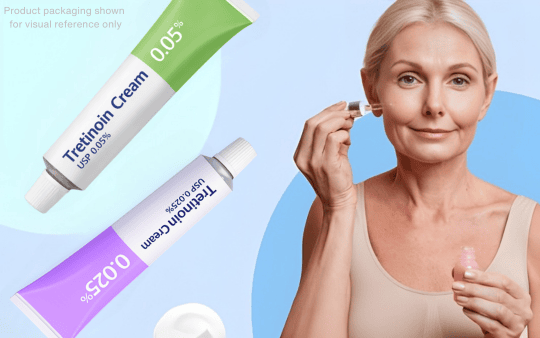
Retinoids (such as tretinoin and tazarotene) are vitamin A derivatives that accelerate cell turnover, promoting the shedding of dead skin cells and stimulating collagen production. This leads to a smoother, more radiant complexion by enhancing skin renewal and reducing dullness1.
Azelaic Acid
Azelaic acid is another skin brightening ingredient that has anti-inflammatory properties. It helps to reduce pigmentation issues and dullness by promoting an even skin tone and reducing oxidative stress, which can dull the complexion2.
Vitamin C
Vitamin C is a powerful antioxidant, available over-the-counter, that brightens the skin, reduces pigmentation, and protects against free radical damage, enhancing skin glow3.
Glycolic or lactic acid
Glycolic or lactic acid exfoliate the outer layer of the skin, removing dead skin cells that contribute to a dull, sallow appearance. These ingredients can be found over the counter (at lower concentrations) or with a prescription (at higher concentrations). They promote skin renewal and smooth texture4.
Niacinamide
Niacinamide, a form of vitamin B3, reduces skin sallowness by boosting your skin’s defenses, locking in moisture, and evening out pigmentation. It also works to brighten dull skin, even out skin tone, and has anti-inflammatory properties that soothe irritation, making the complexion look healthier and more vibrant.
Tranexamic acid
Tranexamic acid is an amino acid that works by inhibiting the production of melanin, and blocking the interaction between melanocytes (pigment-producing cells) and keratinocytes (skin cells). This helps reduce dark spots, improve the brightness, and even-out skin complexion.
All About Tretinoin
What makes skin look sallow?
Dr. Mohta says that several factors can make your skin look sallow, including:
- Dehydration: Lack of moisture due to low water consumption and high salt and alcohol intake can lead to dry, dull, and lifeless skin.
- Poor diet: Deficiencies in vitamins and nutrients, especially vitamin C, iron, and B12, can affect skin tone and vitality.
- Lack of Sleep: Insufficient rest reduces blood circulation, giving the skin a tired, pale appearance5.
- Smoking: Nicotine restricts blood flow and depletes the skin of oxygen and nutrients, contributing to a yellowish, dull complexion.
- Sun damage: Prolonged sun exposure leads to skin damage, uneven tone, and reduced collagen, causing a loss of radiance.
- Stress: Chronic stress can affect hormone levels and reduce skin regeneration, making it look dull.
- Environmental pollutants: Exposure to pollutants can cause oxidative stress, leading to skin damage and a dull appearance.
- Aging: With age, the skin’s natural turnover slows down, leading to a buildup of dead skin cells that dulls the complexion.
- Underlying health diseases: Liver conditions like hepatitis and cirrhosis can cause jaundice, leading to yellowing of the skin. These issues may also make the skin look dull or pale due to poor liver function.
Addressing these factors through hydration, nutrition, proper skincare, and sun protection can help improve skin tone and prevent a sallow appearance.
References:
https://journals.sagepub.com/doi/10.1177/12034754211035091
https://pubmed.ncbi.nlm.nih.gov/1712709/
https://www.ncbi.nlm.nih.gov/pmc/articles/PMC5605218/
https://www.ncbi.nlm.nih.gov/pmc/articles/PMC6017965/
https://www.ncbi.nlm.nih.gov/pmc/articles/PMC9861417/



 Need an antiaging prescription?