• Skip to primary navigation
  • Skip to main content
  • Skip to footer
Patient login
Provider login
MiiSkin
Start consultation

      • Arizona
      • Massachusetts
      • Pennsylvania
      • California
      • Michigan
      • Tennessee
      • Florida
      • New Jersey
      • Texas
      • Georgia
      • New York
      • Washington
      • Illinois
      • North Carolina
      • Virginia
      • Indiana
      • Ohio
      • More states

      • Acne
      • Pediatric
      • Fungal infections
      • Anti-aging
      • PIH
      • Herpes
      • Hair loss
      • Rosacea
      • Genital warts
      • Melasma
      • Eczema
      • Folliculitis
      • Impetigo
      • Atopic dermatitis
      • Hyperhidrosis
      • Acne
      • Hair Loss
      • Hyperpigmentation
      • Psoriasis
      • Skin conditions
      • Anti-aging
      • Dermatology
      • Online vs In-Person

      • Foothills RX
      • Dutasteride
      • Minoxidil
      • Adapalene
      • Finasteride
      • Spironolactone
      • Acyclovir
      • Hydroquinone
      • Tazarotene
      • Azelaic acid
      • Isotretinoin
      • Top. spironolactone
      • Benzoyl peroxide
      • Ivermectin
      • Tretinoin
      • Bimatoprost
      • Latisse
      • Tri-Luma
      • Clindamycin
      • Metronidazole
      • Valacyclovir
      • DHT Blockers
      • Tretinoin
      • Isotretinoin
      • Adapalene
      • Seysara
      • Tazarotene
      • Doxycycline
      • Aklief
      • Benzoyl peroxide
      • Clindamycin
      • Dutasteride
      • Minocycline
Home / anti-aging / Menopause and perimenopause skin changes

Understanding the menopause and perimenopause skin changes

Dr. Anne Allen explains the skin changes occurring during menopause and perimenopause and tells you how to tackle them with prescription skin care.

Dermatologist  Dr. Anne Allen
Medically reviewed by:
Dr. Anne Allen
Dermatologist

Table of Content:
Why does skin change? | What skin changes can occur? | What hair changes can occur? | What skin changes can occur in the vaginal or anal area? | How can menopause affect the inside of your mouth? | Can a dermatologist help? | How to get a prescription? | FAQ

High-quality unique content commitment

Our commitment to producing high-quality content:

The information presented in this article is based on scientific research and the professional advice of our Content Medical Reviewers, who are experts in the field of Dermatology. How we write our content →

What is the difference between menopause and perimenopause?

Dr. Anne Allen, board-certified dermatologist offering care to patients via Miiskin, says that menopause is the natural phase in your life when your menstrual periods permanently stop, marking the end of your reproductive years, typically occurring around age 51. It’s officially diagnosed after you’ve gone 12 months without a period. 

Perimenopause is the transitional period leading up to menopause, which can start several years earlier, usually in your 40s. During perimenopause, your hormone levels, especially estrogen and progesterone, fluctuate, leading to symptoms like irregular periods, hot flashes, mood changes, sleep disturbances, and vaginal dryness. 

According to Dr. Allen, during perimenopause and menopause your skin and hair are also affected. Your skin may become drier, thinner, or more prone to itching and wrinkles, while hair can become finer, drier, or begin to thin, especially around the crown or temples. These symptoms can vary widely from person to person and may last for several years, even after menopause is reached.

personalized anti-aging formula
Learn more

Online anti-aging treatment

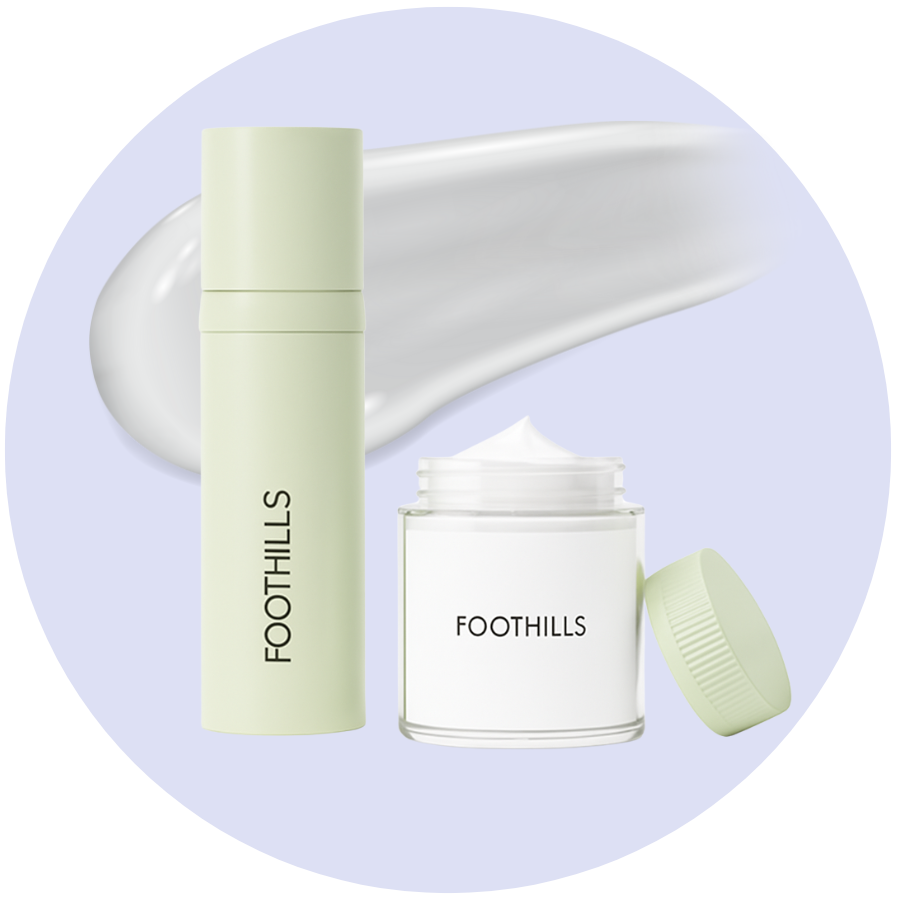
Get an anti-aging prescription and order you medication via Miiskin, dispensed via Foothills compounding pharmacy.

Start Anti-aging Consult

Why does skin change during menopause and perimenopause?

According to Dr. Allen, skin changes during menopause and perimenopause happen mainly because of declining estrogen levels. Estrogen helps maintain your skin’s thickness, hydration, and elasticity by supporting collagen production and oil gland function. As estrogen drops, collagen levels decrease, leading to thinner, less elastic skin and more visible fine lines or wrinkles. Reduced oil production can cause dryness and itchiness, while slower skin cell turnover may make your skin appear dull. Blood flow to the skin also decreases, affecting its overall tone and healing capacity. These hormonal shifts can also lead to increased sensitivity, acne flare-ups, or conditions like rosacea.

What skin changes can occur during perimenopause and menopause?

According to Dr. Allen, menopause and perimenopause can bring noticeable changes to your skin, hair, intimate areas, and even inside your mouth. Partnering with a board-certified dermatologist can help you navigate these changes and support the health and appearance of your skin over time. 

  • Acne – Hormonal fluctuations during perimenopause and menopause, especially an increase in androgens, can trigger new breakouts or worsen existing acne. This may occur even in women who didn’t have acne earlier in life, often presenting along the jawline or chin.
  • Rosacea – This chronic skin condition can flare during menopause due to increased skin sensitivity and hormonal shifts. It may cause redness, flushing, visible blood vessels, and bumps, often mistaken for acne but requiring different treatment.
  • Dark “age” spots – Hyperpigmentation or sun spots become more visible due to years of sun exposure and thinner, more fragile skin.
  • Skin thinning – As estrogen declines, your body produces less collagen and elastin, resulting in thinner, more fragile skin that bruises more easily and heals more slowly.
  • Sagging or loss of plumpness – With less collagen, fat, and elasticity, skin can sag—especially around the cheeks, jawline, and neck—creating a more hollow or aged appearance.
  • Pruritus (itching) – Chronic itching becomes common due to drier, thinner skin and hormonal shifts. It can be generalized or localized, sometimes severe enough to disturb sleep or quality of life.
  • Xerosis (dry skin) – A very common symptom, xerosis causes rough, flaky, or cracked skin due to decreased oil production and a weakened skin barrier.
  • Eczema (dermatitis) – Skin becomes more reactive and prone to inflammation. Eczema may newly develop or worsen during menopause, often due to dryness or irritation.
  • Impaired wound healing – Reduced estrogen slows the skin’s natural repair process, meaning cuts, abrasions, or irritations may take longer to heal and be more prone to infection.
  • Hot flushes – Sudden episodes of heat and flushing that can leave the skin red, sweaty, and temporarily irritated, commonly affecting the face, neck, and chest.
  • Hyperhidrosis (excess sweating) – May accompany hot flushes or occur independently, often affecting the underarms, palms, feet, or entire body.
personalized anti-aging formula
Learn more

Online anti-aging treatment

Get an anti-aging prescription and order you medication via Miiskin, dispensed via Foothills compounding pharmacy.

Start Anti-aging Consult

What hair changes can occur during perimenopause and menopause?

  • Hair loss or female pattern hair thinning – A gradual reduction in hair density, especially along the crown or part line, due to hormonal imbalance affecting hair follicles.
  • Hirsutism (unwanted facial hair) – Increased androgen activity can cause coarse hairs to appear on the chin, upper lip, or jawline.

What skin problems or changes can happen in the vaginal or anal area during perimenopause and menopause?

  • Lichen sclerosus – A chronic, inflammatory skin condition often affecting the vulva and anal area. It causes thin, white, itchy, or crinkled skin, and can lead to scarring and painful intercourse if untreated.
  • Lichen planus – An inflammatory condition that can affect the genital mucosa, leading to red or purple lesions, pain, and potential scarring. It may also affect the mouth or skin elsewhere.
  • Hemorrhoids –  Hormonal shifts during perimenopause and menopause can contribute to hemorrhoids, often due to increased constipation or pelvic floor changes. They may cause itching, discomfort, or bleeding and can usually be managed with simple treatments.

How can perimenopause and menopause affect the inside of your mouth?

  • Lichen planus (oral) – Appears as white lacy patches, redness, or painful ulcers inside the mouth. It may cause discomfort with eating or speaking.
  • Burning mouth syndrome – A sensation of burning, tingling, or pain in the tongue, lips, or entire mouth without visible signs. This is believed to be linked to hormonal changes and nerve sensitivity.
  • Xerostomia (dry mouth) – Decreased saliva production can lead to a dry, sticky feeling in the mouth, difficulty swallowing, altered taste, and increased risk of cavities and oral infections.
beauty and wrinkles

Beauty and Anti-aging

  • The Secret to Stunning Lashes: Try Latisse® Eyelash Serum
  • Say Goodbye to Acne and Wrinkles with Altreno
  • Tri Luma: the only FDA-approved treatment for melasma
  • Is tazarotene better than tretinoin for wrinkles?
  • Discover how to use tretinoin for wrinkles and anti-aging

Can a dermatologist help me address one or several of the skin changes mentioned?

Yes, absolutely. Dr. Allen emphasizes that a board-certified dermatologist is well-equipped to help manage skin changes that occur during perimenopause and menopause. Whether you’re dealing with dryness, wrinkles, acne, pigmentation, or sensitivity, a dermatologist can create a personalized treatment plan, often combining prescription skincare, lifestyle guidance, and targeted therapies, to improve both how your skin looks and feels.

How to get an online prescription via Miiskin?

Miiskin connects you with board-certified dermatologists, who may prescribe FDA-approved generics or personalized compounded medications.

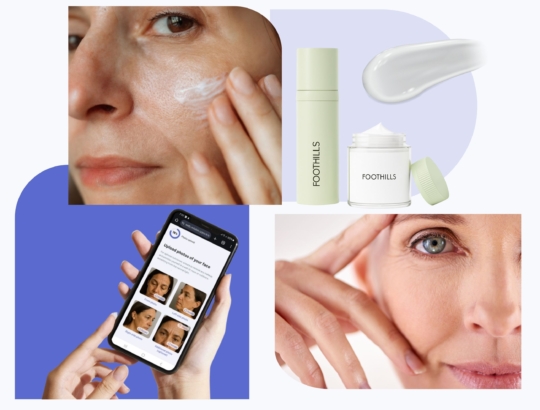
If you are interested in a customized formula, simply select Foothills as your pharmacy and place your medication order directly in the Miiskin platform. Foothills will send you a payment link, and once payment is completed, your medication will be shipped free via UPS delivery.

Transparent pricing: A consultation is typically around $59, and medication refills are around $39. The price of most Foothills formulas via Miiskin is $48.99 with a few exceptions being priced at $58.99 and some hair growth formulas priced at $68.99. You will not be enrolled in an automatic subscription, you will only purchase medication when you need it.

Important Disclaimer: Compounded medications are not reviewed by the FDA for safety or efficacy.
personalized anti-aging formula
Learn more

Online anti-aging treatment

Get an anti-aging prescription and order you medication via Miiskin, dispensed via Foothills compounding pharmacy.

Start Anti-aging Consult

Provider & Prescription Information

Miiskin connects patients with independent dermatologists who provide care through their private practices. Compounded prescriptions can be ordered via Miiskin and are dispensed by Foothills pharmacy. Generic prescriptions can be filled at any local or online pharmacy.

tretinoin all you need to know

All About Tretinoin

  • How to use tretinoin?
  • What is a tretinoin purge?
  • Best tretinoin strengths for acne?

FAQ about skin changes treatment during menopause and perimenopause

I have never used any anti-aging creams. Is it too late to start during menopause or perimenopause?

Dr. Allen reassures that it’s never too late to begin caring for your skin. Starting an anti-aging routine during menopause or perimenopause can still make a meaningful difference, as this is when many hormonal changes begin to noticeably affect the skin. With the right products and dermatologist guidance, improvements in texture, hydration, and overall appearance are absolutely possible.

Are over-the-counter anti-aging creams good enough during menopause or perimenopause?

Dr. Allen explains that while some over-the-counter anti-aging creams can provide mild benefits, they often lack the strength or targeted ingredients needed to address more significant skin concerns like deeper wrinkles, loss of elasticity, or hormonal acne. For more visible and lasting results, prescription treatments tend to be more effective.

What is the best anti-aging cream during menopause and perimenopause?

Dr. Allen explains that the best anti-aging cream depends on each person’s unique skin needs, which often change during menopause. While a customized treatment plan is typically the most effective way to target multiple concerns, she points to tretinoin as the gold standard, clinically proven to improve fine lines, acne, and hyperpigmentation.

How does tretinoin benefit the skin during menopause and perimenopause?

Tretinoin offers multiple benefits for skin during menopause and perimenopause, when hormonal changes often lead to thinning skin, dryness, fine lines, and breakouts. As a vitamin A derivative, tretinoin boosts collagen production, helping to improve skin firmness and reduce the appearance of wrinkles. It also speeds up cell turnover, which smooths skin texture, fades dark spots, and helps prevent clogged pores that can lead to acne. Dr. Allen notes that while some worry it might thin the skin, tretinoin actually does the opposite over time, it thickens the deeper layers by stimulating collagen, making skin more resilient and youthful in appearance.

Is prescription skincare worth it during menopause and perimenopause?

Dr. Allen believes prescription skincare is worth considering during menopause and perimenopause because it can directly address issues like dryness, thinning skin, age spots, and breakouts with clinically proven ingredients. These products are generally more potent and can be tailored to individual skin needs, helping patients see clearer, faster results compared to most retail products.
Important Disclaimer: Compounded medications are not reviewed by the FDA for safety or efficacy.

Is prescription skincare more expensive than anti-aging creams sold commercially?

Dr. Allen explains that it’s a common misconception. A customized Foothills formula for anti-aging costs around $48.99, while many high-end cosmetic creams can cost from $80 to up to $180 for the same volume. In most cases, prescription skincare through Miiskin is priced similarly to mid-range cosmetic brands often offering greater value with clinically backed ingredients.
Important Disclaimer: Compounded medications are not reviewed by the FDA for safety or efficacy.

Can I get a customized formula for wrinkles, acne, hyperpigmentation?

Yes, Dr. Allen confirms that customized skincare formulas can be created to target wrinkles, acne, and hyperpigmentation all at once. By evaluating the skin’s needs, dermatologists can combine ingredients in a single prescription product to treat multiple concerns, reducing the need for layering several different creams.

Is there treatment for hair loss caused by menopause or perimenopause?

Yes, Dr. Allen confirms that there are several effective treatments for hair loss linked to menopause or perimenopause. Oral medications like spironolactone can block excess androgens that contribute to hair thinning, while oral minoxidil is sometimes prescribed off-label for women with more diffuse shedding.

Can a dermatologist treat itchy skin related to menopause or perimenopause?

Dr. Allen explains that several prescription treatments can help relieve itchy skin during menopause, depending on the severity and cause. Topical corticosteroids may be used short-term to calm inflammation if there’s visible irritation or eczema. For persistent dryness and barrier issues, prescription moisturizers with ingredients like urea or ceramides can deeply hydrate and repair the skin. In some cases, topical calcineurin inhibitors (such as tacrolimus or pimecrolimus) are prescribed for sensitive areas where steroids aren’t ideal. If itching is widespread or not responsive to topicals, oral antihistamines or low-dose gabapentin or doxepin may be considered to help manage nerve-related itch and improve sleep.

Does skin change during perimenopause?

Yes, Dr. Allen explains that skin can undergo several noticeable changes during perimenopause due to shifting hormone levels, especially declining estrogen. Common changes include dryness, thinning, dullness, increased sensitivity, more visible fine lines, and a loss of elasticity. Some people also experience acne, rosacea, or delayed wound healing. These changes can start subtly and progress as hormone levels continue to fluctuate.

What does a low estrogen face look like?

A face affected by low estrogen may appear drier, thinner, and less firm. Dr. Allen notes that declining estrogen reduces collagen, elastin, and natural oils in the skin, which can lead to sagging around the jawline, deepening wrinkles, hollowed cheeks, and a loss of that youthful plumpness or glow. Skin may also become more sensitive or prone to itching.

What does a perimenopause face look like?

Dr. Allen describes the “perimenopause face” as one that often reflects early signs of hormonal imbalance. This can include increased dryness, dullness, mild sagging, more prominent lines around the eyes or mouth, and even adult-onset acne. For some, there may also be uneven pigmentation or redness due to rosacea or sensitivity.

What are the first signs of low estrogen?

The earliest signs of low estrogen may include irregular periods, hot flashes, night sweats, mood changes, and vaginal dryness. From a skin perspective, Dr. Allen adds that you might first notice increased dryness, more fine lines, reduced skin elasticity, or dullness in your complexion. These signs often begin in perimenopause as hormone levels start to decline.

What does a high estrogen face look like?

A face influenced by balanced estrogen levels typically appears smoother, more hydrated, and fuller. Dr. Allen explains that estrogen boosts collagen and increases skin thickness and moisture, which contributes to a youthful glow, fewer wrinkles, and more even skin tone. However, in excess, high estrogen can also lead to puffiness or melasma (dark patches on the skin), on the face especially when paired with sun exposure.

Read more articles reviewed by dermatologists

All you need to know about tretinoin

All you need to know about tazarotene

Skin changes during menopause

Melasma vs Hyperpigmentation

What is the best cream for melasma

Can you get hydroquinone over the counter?

Uses and benefits of hydroquinone cream

Hydroquinone and tretinoin for melasma

Tretinoin for acne scars and dark spots

Tretinoin and azelaic acid

References:
https://my.clevelandclinic.org/health/diseases/21841-menopause
https://my.clevelandclinic.org/health/diseases/21608-perimenopause
https://www.dermcoll.edu.au/wp-content/uploads/2022/05/ACD-FAQs-Perimenopausal-skin-April-2022-.pdf
https://pmc.ncbi.nlm.nih.gov/articles/PMC10092853/
comparison of several acne medications

Acne medication comparison

  • Benzoyl peroxide vs salicylic acid for acne
  • Benzoyl peroxide vs salicylic acid
  • Hyaluronic acid vs retinol
  • Minocycline vs doxycycline

Teledermatology Clinic Online Want an anti-aging prescription?
Consult a Dermatologist →

Miiskin Logo

  • Facebook
  • Twitter
  • Pinterest

App Store Moles App

Google Play Moles App

For HCPs

Join the Miiskin network

Dermatologists using Miiskin

Pricing

Patient Engagement

Miiskin Features

FAQ for dermatologists

For patients

Find a dermatologist

Miiskin app

In-person vs. online dermatology

Apostrophe skincare alternative

Personalized compounded prescriptions

FAQ for patients

Company

About Miiskin

Educational Content

Media Kit & News

Contact

Careers

Visit the Mexican website

Miiskin is an online dermatology consultations platform that connects patients with independent dermatologists.

All consultations are provided by independent online dermatologists on a cash-pay-only basis. Miiskin does not practice medicine or pharmacy. Prescriptions, if medically appropriate, are sent to third-party pharmacies, which are paid directly for any medication. Medication images on the website are for illustrative purposes only and images of people are not actual patients. Medical information on miiskin.com is for informational purposes and not medical advice. Consult a healthcare provider for any concerns.

Verify Approval for Miiskin.com HIPAA Compliance Verification - Miiskin.com


Terms of Service · Privacy Policy · Privacy Settings · Cookie Policy · Miiskin © 2026