
Pomade acne vs acne cosmetica: are they the same thing?
Pomade acne and acne cosmetica are two different types of acne caused by external factors: hairstyling products and cosmetics. Learn how to identify and avoid them both.

Table of Content:
What is pomade acne? | Why does pomade acne occur? | How to get rid of pomade acne? | What is acne cosmetica? | Why does acne cosmetica occur? | How to get rid of acne cosmetica?

Our commitment to producing high-quality content:
The information presented in this article is based on scientific research and the professional advice of our Content Medical Reviewers, who are experts in the field of Dermatology. How we write our content →
If you’ve noticed breakouts forming around your hairline, forehead, temples, or scalp, you may be wondering whether you’re dealing with pomade acne or acne cosmetica. While both conditions are often linked to skincare, makeup, or hair products, they can look slightly different and may require different treatment approaches depending on what’s triggering your breakouts.
Pomade acne is commonly caused by oily or occlusive hair products that clog pores near the hairline and scalp, while acne cosmetica is typically linked to cosmetics or skincare products that contribute to clogged pores and small bumps on the face. In many cases, identifying the products causing irritation or pore blockage is an important first step toward improving the skin.
In this guide, you’ll learn the differences between pomade acne and acne cosmetica, common symptoms and triggers, how dermatologists diagnose these types of breakouts, and which skincare habits and treatments may help clear the skin.
Because product-related acne can sometimes be difficult to identify on your own, personalized skincare guidance may help you avoid ongoing irritation and breakouts. Through Miiskin, you can get an online consultation with licensed dermatologists and explore customized prescription acne treatments tailored to your skin type, routine, and acne concerns.
What is pomade acne?
Pomade acne (also known as hairline acne) typically occurs along the hairline, forehead, temple cheeks and ears and is caused by the use of hair styling products such as hair pomades, oils, and gels1.
What causes pomade acne?
Many of the most common ingredients in pomade and other hairstyling products contain ingredients like petroleum jelly, mineral oil, and lanolin2 which are known to be comedogenic and have the potential to obstruct the skin’s pores and trigger the development of acne breakouts. These hair styling ingredients create an environment that favors the growth of acne-causing bacteria, ultimately resulting in the formation of acne breakouts.
Besides, hairstyling products help trap dirt, sweat, and bacteria on the skin, which further develops acne. People who use pomade frequently or leave it on their hair for extended periods of time are at a higher risk of developing pomade acne.
Pomade acne can easily be mistaken for acne vulgaris, so it is best to consult a dermatologist to get adequate treatment.
How to get rid of pomade acne?
According to Marta Teixeira, dermatology nurse, to get rid of pomade acne you should follow these indications:
- Avoid products that may cause breakouts by looking for the pore clogging ingredients
- If you use a product with clogging ingredients, wash your hair at night to remove any product residue
- If you need to use these products on a daily basis to style your hair, do not touch your skin or scalp with the product, use the product only on your hair and in smaller quantities to reduce breakouts.
- Rinse your skin in the morning and night to avoid pimples
- Do not use hairstyling products when you go to the gym. If you do go to the gym with styling products on, wash your hair as soon as you are done
- Use a non-oily cleanser to wash your face twice per day
- Use a non-oily moisturizer to moisturize your skin
- Avoid picking at the acne, as this can worsen the condition
How to consult an acne dermatologist?
Start a consultation via Miiskin for only $39-$59 and get access to multiple acne dermatologists licensed in your state. Choose if you want an oral, topical or compounded acne medication, without the need to enroll into a monthly subscription.
What is cosmetic acne?
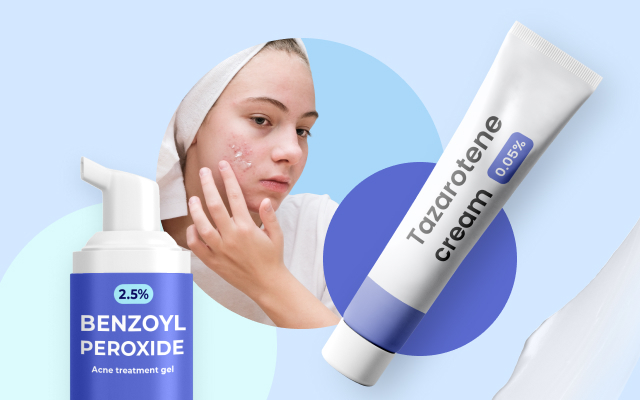
Acne cosmetica is a type of acne that occurs due to the presence of comedogenic substances such as makeup, excessive cleansing of the skin with soaps with pH 8.0, and essential oils3. These cosmetic products clog pores and irritate the skin4. It usually appears as small pimple-like bumps on the face and it differentiates itself from other types of acne because it’s non-inflammatory, so there is no redness and swelling5.
What causes cosmetic acne?
Research shows that the use of cosmetics is linked to more acne breakouts6 7 because these products contain ingredients that are inadequate for acne-prone skin. Besides, the use of dirty makeup brushes or applicators can also worsen this condition8.
How to get rid of cosmetic acne?
According to Marta, you can follow these indications to get rid of this bothersome acne.
- Switch to non-comedogenic products with a label that says “oil-free,” “won’t clog pores” or “non-comedogenic”
- Wash your make-up brushes and sponges every week with shampoo9
- Remove your makeup before sleeping and wash your face with a gentle cleanser
- Use a non-oily moisturizer
- Don’t touch your face
- Get professional treatment by clicking on the “Start a Consultation” button below
Conclusion
In conclusion, while both pomade acne and acne cosmetica have relatively similar symptoms, they have different underlying causes. Pomade acne is caused by hair styling products that clog hair follicles, while acne cosmetica is caused by skin cosmetics that clog pores.
The prevention and treatment of both types of acne involve avoiding the use of the acne-causing products, practicing good hygiene habits, and seeking medical attention when necessary.
It is important to understand the differences between these two types of acne in order to properly identify and treat them. By taking the appropriate steps, it is possible to prevent and manage both pomade acne and acne cosmetica.
Skin conditions and treatments
Articles written in collaboration with dermatologists
Top acne treatments for teens and young adults
Facial treatment for seborrheic dermatitis
How to get rid of rosacea permanently?
How to calm a rosacea flare-up fast?
Spongiotic dermatitis: What is it and what is the best treatment?
A dermatologist’s guide to psoriasis medication
Article References:
1 https: //www. Researchgate. Net/publication/7289458_a_re-evaluation_of_the_comedogenicity_concept
2 https: //pubmed. Ncbi. Nlm. Nih. Gov/6229554/
3 https: //www. Ncbi. Nlm. Nih. Gov/pmc/articles/pmc7527424/
4 https: //jofskin. Org/index. Php/skin/article/view/1289/pdf
5 https: //iamj. In/images/upload/1195_1198. Pdf
6 https: //pubmed. Ncbi. Nlm. Nih. Gov/33206430/
7 https: //pubmed. Ncbi. Nlm. Nih. Gov/23859829/
8 https: //www. Aad. Org/public/everyday-care/skin-care-secrets/routine/clean-your-makeup-brushes
9 https: //www. Aad. Org/public/everyday-care/skin-care-secrets/routine/clean-your-makeup-brushes




 Struggling with acne?