How effective is tazarotene for acne?
Dr. Anna Chacon, board-certified dermatologist, explains whether tazarotene is more effective for acne than tretinoin, helping you make an informed decision about your treatment.

Table of Content:
Is tazarotene more potent? | Is tazarotene better for acne than tretinoin? | Does tazarotene work faster? | How long does it take tazarotene to work? | Is tazarotene effective for acne scars? | How to get a prescription? | Does tazarotene make you purge? | Who should use tretinoin? | Who should use tazarotene? | Who should not use tretinoin or tazarotene?

Our commitment to producing high-quality content:
The information presented in this article is based on scientific research and the professional advice of our Content Medical Reviewers, who are experts in the field of Dermatology. How we write our content →
For decades, tretinoin has held the reputation as the gold standard in topical acne and anti-aging treatment. Its proven track record, broad clinical use, and availability in multiple strengths have made it a first-line choice for dermatologists. However, in recent years, tazarotene has been gaining recognition as a stronger, potentially more effective alternative, especially in cases where tretinoin hasn’t delivered the desired results.
As more patients seek faster outcomes or struggle with treatment-resistant acne, the question arises: Tazarotene vs tretinoin: What is best for acne? Dr. Anna Chacon, board-certified dermatologist who offers consultations to patients in 50 states via Miiskin, breaks down the differences, strengths, and considerations of each to help guide the right choice.
Is tazarotene the most potent retinoid?
Dr. Chacon says that yes, tazarotene is considered the most potent retinoid, even more than tretinoin.
Because of its receptor selectivity, tazarotene has stronger comedolytic (pore-clearing) and anti-inflammatory effects compared to tretinoin. This means it can often lead to faster and more visible improvement in acne, particularly in moderate to severe cases. It’s also more effective at reducing oiliness and smoothing skin texture.
However, that increased potency comes with a trade-off which is higher risk of irritation. Tazarotene can be more drying, cause more peeling, and result in more initial redness, especially if your skin is sensitive or if you’re new to retinoids.
Is tazarotene better than tretinoin for acne?
Dr. Chacon explains that both tazarotene and tretinoin are FDA-approved and work similarly by speeding up skin cell turnover, unclogging pores, and reducing inflammation. However, tazarotene is stronger and typically more effective, especially inflammatory breakouts. That increased potency can also make it more irritating. So while tazarotene may be a better option for some, the best choice depends on your skin’s tolerance and the severity of your acne.
Is tazarotene good for hormonal acne?
Dr. Chacon says that tazarotene is very effective for hormonal acne, especially for inflammatory lesions and clogged pores commonly seen along the jawline and lower face. As a potent topical retinoid, it helps normalize skin cell turnover, reduce inflammation, and prevent new breakouts from forming. However, because hormonal acne is driven by internal factors, some people may benefit from combining tazarotene with other treatments (such spironolactone) for optimal results.
Why is tazarotene not used in acne?
Dr. Chacon confirms that tazarotene is absolutely used to treat acne. In the past, some dermatologists prescribed it less often due to its higher cost compared to tretinoin. However, after a consultation through Miiskin, patients can access tazarotene cream starting at $48.99, with more advanced compounded formulas available for $68.99.
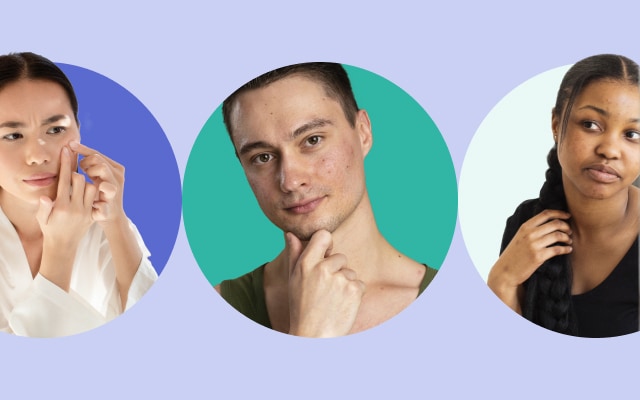
Acne Breakouts Types and Causes
Does tazarotene work faster for acne?
Dr. Chacon explains that yes, tazarotene often works faster than tretinoin, especially for inflammatory acne, thanks to its higher potency and more targeted action as a third-generation retinoid. Some people may see early signs of improvement (such as reduced oiliness, fewer new pimples, or smoother skin) within 1–2 weeks. However, more noticeable and lasting results typically appear around 4–8 weeks. The difference in timelines often depends on skin type, acne severity, consistency of use, and how well the skin tolerates the medication.
How long does it take tazarotene to work for acne?
Dr. Chacon explains that while some users may notice early improvements, like reduced oiliness or smaller breakouts, as soon as 1–2 weeks, it typically takes about 4–8 weeks of consistent use to see significant, lasting results. Staying consistent, using a gentle skincare routine, and being patient are key. Tazarotene works deep in the skin, so visible improvement takes time, but the long-term benefits are well worth it.
Can tazarotene clear acne scars?
According to Dr. Chacon, tazarotene may have a slight edge over tretinoin when it comes to stimulating collagen and improving skin texture, making it potentially more effective for treating mild acne scars, especially shallow atrophic scars. She also notes that results may be enhanced when tazarotene is used alongside a topical like Pracasil Plus, a silicone-based scar therapy, which helps nourish the skin and support healing. It works by forming a breathable protective barrier that locks in moisture, strengthens the skin barrier, and calms irritation. When paired with a retinoid, Pracasil Plus can improve tolerability by reducing dryness and sensitivity, allowing for more consistent use and better overall skin remodeling over time.
How to get a prescription for tazarotene?
You can have a consultation with a dermatologist via Miiskin and request a tazarotene or tretinoin prescription. Your dermatologist will evaluate your case and will issue your prescription, if safe and adequate for you. First time consultation is $59 and prescription renewal visits are $39. Most tazarotene-and-tretinoin-based formulas available via Foothills pharmacy are $48.99 – $68.99. You will only need to buy your medication as you need it, no need to enroll in a monthly subscription.
Does tazarotene make you purge?
Yes, Dr. Chacon explains that tazarotene can cause purging when you first start using it. This happens because the medication speeds up skin cell turnover, which brings clogged pores to the surface more quickly. As a result, you might notice more breakouts or irritation during the first few weeks. While this can be frustrating, it’s a normal part of the process for many people and usually doesn’t last longer than 4 to 6 weeks. With consistent use, the skin typically clears and becomes smoother over time.
Who should use tretinoin?
Dr. Chacon says that tretinoin is a great choice if:
- You have mild to moderate acne
- You’re new to retinoids
- You’re concerned about tolerability
- You are in interested in anti-aging effects as well
Since tretinoin is less irritating, it’s often the first retinoid dermatologists prescribe. It’s also widely available in different strengths, which makes it easier to adjust based on how your skin responds.
Who should use tazarotene?
Dr. Chacon also adds that tazarotene might be the better option if:
- You have moderate to severe acne
- Your skin has not responded well to other acne treatments
- You’ve used tretinoin before and your skin has responded well and want something more potent
- You want a stronger retinoid for wrinkles and anti-aging
Dr. Chacon says that tazarotene 0.1% is often reserved for patients who have already used tretinoin, but tazarotene 0.05% can also be used by patients new to retinoids if they use caution and start slower.
Who should not use tretinoin or tazarotene?
Dr. Chacon advises against using tretinoin or tazarotene if you’re pregnant, planning to become pregnant, or breastfeeding, as these medications carry a risk of birth defects.
She also notes that for teenagers and younger patients, she often prefers to prescribe adapalene. It’s gentler on the skin, causes less sun sensitivity, and is classified as a Category C medication, meaning it should still be avoided during pregnancy, but poses a lower risk compared to tazarotene, which is Category X.
Managing irritation and side effects
Both retinoids can cause dryness, redness, and peeling when you first start using them, a phase often called the “retinization” period. But tazarotene tends to cause more intense irritation, especially in the first few weeks.
To reduce side effects:
- Start slow: Use the retinoid every other night at first.
- Moisturize: Apply a gentle moisturizer either before or after the retinoid.
- Use a pea-sized amount: More is not better.
- Avoid harsh cleansers or exfoliants
- Always wear sunscreen: Retinoids make your skin more sensitive to the sun.
If your skin becomes very irritated on tazarotene, your dermatologist may suggest using a lower concentration, applying it less frequently, or switching back to tretinoin temporarily.
Conclusion
Dr. Chacon says that while tretinoin and tazarotene are both highly effective for acne, they’re not interchangeable. Tretinoin is usually the gentler, more forgiving option, ideal for beginners. Tazarotene, while stronger and faster-acting, is better suited for tougher cases or more experienced users who can manage the potential irritation.
The best choice for you depends on your skin type, your acne severity, and how your skin has responded to treatments in the past. If you’re not sure where to start, consult a board-certified dermatologist via Miiskin so they can tailor the right regimen for your skin.
Provider & Prescription Information
Miiskin connects patients with independent dermatologists who provide care through their private practices. Compounded prescriptions can be ordered via Miiskin and are dispensed by Foothills pharmacy. Generic prescriptions can be filled at any local or online pharmacy.
Read more articles about tazarotene
Articles written in collaboration with dermatologists
All you need to know about tazarotene: A dermatologist’s guide for patients
Is tazarotene better for acne?
What is the price of tazarotene in 2026?
 Want a tazarotene prescription?
Consult a Dermatologist →