• Skip to primary navigation
  • Skip to main content
  • Skip to footer
Patient login
Provider login
MiiSkin Dermatologists
Start Consultation

      • Arizona
      • Massachusetts
      • Pennsylvania
      • California
      • Michigan
      • Tennessee
      • Florida
      • New Jersey
      • Texas
      • Georgia
      • New York
      • Washington
      • Illinois
      • North Carolina
      • Virginia
      • Indiana
      • Ohio
      • More states

      • Acne
      • Hair loss
      • Pediatric
      • Anti-aging
      • Herpes
      • Perioral dermatitis
      • Atopic dermatitis
      • Hirsutism
      • PIH
      • Dandruff
      • Hyperhidrosis
      • Rosacea
      • Eczema
      • Jock itch
      • Scabies
      • Folliculitis
      • Impetigo
      • Shingles
      • Fungal infections
      • Melasma
      • See more treatments
      • Genital warts

      • Skincare Rx
      • DHT Blockers
      • Metronidazole
      • Adapalene
      • Dutasteride
      • Minoxidil
      • Acyclovir
      • Finasteride
      • Spironolactone
      • Aklief
      • Hydroquinone
      • Tazarotene
      • Altreno
      • Isotretinoin
      • Top. spironolactone
      • Azelaic acid
      • Ivermectin
      • Tretinoin
      • Benzoyl peroxide
      • Ketoconazole 
      • Tri-Luma
      • Bimatoprost
      • Latisse
      • Valacyclovir
      • Clindamycin

      • Tretinoin
      • Isotretinoin
      • Adapalene
      • Seysara
      • Tazarotene
      • Doxycycline
      • Aklief
      • Benzoyl peroxide
      • Clindamycin
      • Dutasteride
      • Minocycline
      • Acne
      • Hair Loss
      • Anti-aging
      • Psoriasis
      • Hyperpigmentation
      • Other conditions
      • Online dermatology
      • Online vs In-Person
      • Miiskin vs Competitors
      • Customized Formulas
      • FDA-approved medications
Home / Online dermatologist / Melasma Cream Prescription treatment

Melasma cream prescription by dermatologist

Responsive time: 24 – 48 hours
Service available nationwide

*Average online dermatologist response time from July-September 2026: 18.6 hours

  • Board-certified dermatologists
  • No medication subscriptions
  • Choice of generic or customized formulas
Start Consultation

Medications often prescribed for melasma:

  • Tri-Luma
  • Hydroquinone
  • Tazarotene
  • Tretinoin
melasma treatment online

Table of Content:
How to consult an online dermatologist for melasma? | Treatment options | How to get a prescription? | How does Miiskin compare to other treatment services? | What is melasma? | Signs of melasma | Causes | What else can you do to treat melasma? | Meet the dermatologists | FAQ

Content last updated October 22nd, 2026.


Dermatologist  Dr. Eric Howell
Medically reviewed by:
Dr. Eric Howell
Dermatologist

How to consult an online dermatologist for melasma treatment?

Through Miiskin, you can connect with a board-certified dermatologist for personalized melasma treatment online. After evaluating your skin concern, your dermatologist can recommend an appropriate treatment plan, including prescription medications or a customized formula when clinically appropriate.

Tretinoin virtual consultation

Submit your skin concern

Describe your skin concern, answer a brief questionnaire, and upload your photos.

Tretinoin virtual consultation

Dermatologist review

A board-certified dermatologist licensed in your state reviews your information and photos.

Get your treatment plan

Receive your treatment plan. Choose delivery or pickup at your preferred pharmacy.

Start Consultation

Melasma treatment options

Through Miiskin, you can ask your dermatologist to prescribe an FDA-approved medication or a customized formula tailored to your skin – whichever option you feel most comfortable with.

FDA-approved medications

You can choose an FDA-approved medication (brand-name or generic), which can be filled at any pharmacy nationwide. These medications have been reviewed by the FDA for safety, effectiveness, and quality, and are widely used in dermatology.

  • Tri-Luma®(Triple combination cream)
  • Tretinoin(Generic Retin-A®)
  • Azelaic acid(Generic Finacea®)
  • Tranexamic acid(Generic Lysteda®)
  • Tazarotene(Generic Tazorac®)

Prescribed only if medically appropriate. Your dermatologist decides which medication fits your case.

Customized formulas

Customized prescription formulas combine multiple active ingredients into one product tailored to your needs. They’re prepared by our trusted partner, Foothills Pharmacy, and delivered to your door. Most formulas are $48.99 with delivery included.

  • ✓Hydroquinone
  • ✓Tretinoin
  • ✓Kojic acid
  • ✓Niacinamide
  • ✓Azelaic acid
  • ✓Tranexamic acid
  • ✓Fluocinolone
  • ✓Hydrocortisone
  • ✓Vitamin C

Compounded medications are not reviewed by the FDA for safety or efficacy.

Start Consultation

How to get a melasma cream prescription?

You can have a consultation via Miiskin with a dermatologist. First time consultation is $59-$79 and medication refill visits are $39-$49.

Where can I buy my melasma treatment cream?
The dermatologists on the Miiskin network can issue a prescription to any pharmacy in the country. If you want a personalized formula, choose Foothills as your preferred pharmacy.

Start Consultation

How does Miiskin compare to other online melasma services?

Swipe to compare →

Feature Miiskin Nurx Musely Curology
Provider type Board-certified dermatologist Physician, NP or PA Board-certified dermatologist Physician, NP or PA
Choose your own provider Yes No No No
FDA-approved medications Yes Yes No** No**
Customized / compounded formulas Yes Yes Yes Yes
Choice of pharmacy Yes No No No
Subscription required No Yes Yes Yes
Response time ~24 to 48 hrs* ~2 days ~24 hrs 2 to 3 days

* On average, Miiskin dermatologists respond in less than a day.

** Melasma prescriptions from Musely and Curology are offered as compounded custom formulas only. Neither provides a standard FDA-approved generic option.

Comparison based on information published on each service’s website, October 2026.

Start Consultation

What is melasma?

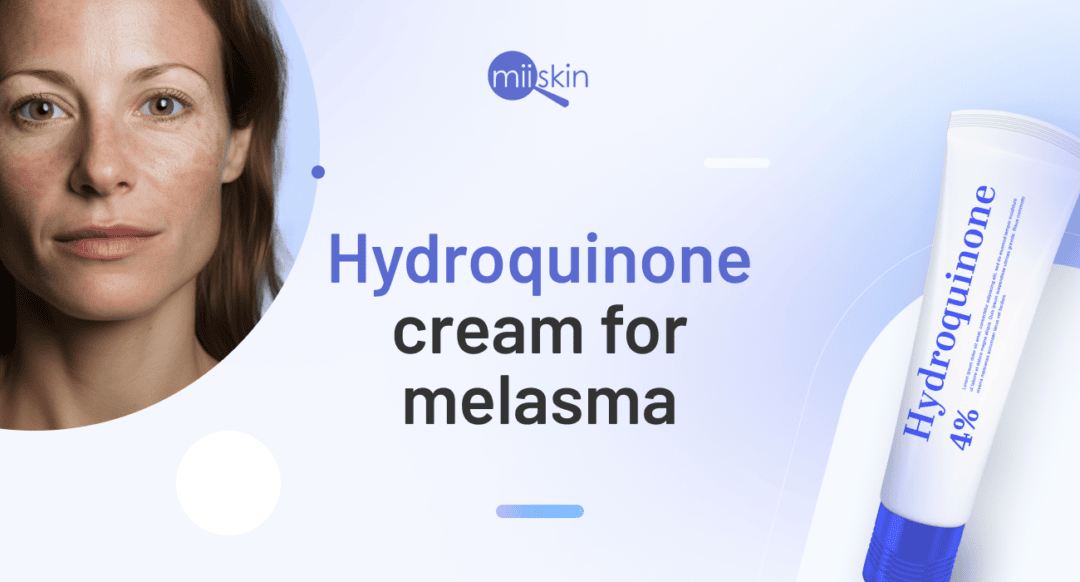
Melasma is a common skin condition marked by brown or gray-brown patches, usually on the face (forehead, cheeks, nose, upper lip, and chin). These irregular, symmetrical patches are caused by excess melanin production.

Key triggers include sun exposure, hormonal changes (like pregnancy or birth control use), and genetics. Often called “the mask of pregnancy,” melasma is especially common in women during hormonal shifts.

Though it can be stubborn, treatment typically involves prescription topicals like hydroquinone, tretinoin, or azelaic acid. Daily sun protection is essential for managing and preventing melasma.

Signs and symptoms of melasma

pigment spots on skin

Dark patches on your skin

Melasma causes patches that are darker than your natural skin color.

dark patches on the face

Both sides of face

The dark patches are somehow symmetrical on both sides of your face.

large face area covered

Covers a large area

The melasma dark patches can cover a large area of your face.

sunlight exposure

Worsens in the sun

Melasma becomes more noticeable if you spend more time outdoors.

harmless condition melasma

It is harmless

Melasma is harmless and it does not feel painful or itchy, it is just bothersome.

melasma is hormone related

Related to hormones

Melasma may appear when you go through hormonal changes in your life.

Start Consultation

Causes of melasma

sun exposure duration

Sun exposure

modify your technique of contraception

Hormonal changes

genetic predisposal

Genetic predisposition

growing older and melasma

Aging

Start Consultation

What else can you do to get rid of melasma?

Addressing melasma effectively can be a complex process, however, a multifaceted approach that includes a prescription-strength melasma cream together with sun protection and in-office treatments can significantly improve your outcome.

uv protection

Sun Protection

Use a sunscreen with SPF 50 all year round and reapply often when outdoors.

chemical peels eliminate the skin's outermost layer

Chemical peels

Chemical peels remove the outer layer of the skin and get rid of excessive pigmentation.

reduce the melanin accumulation

Laser therapy

Fractional lasers or intense pulsed light therapies target and reduce the melanin accumulation.

Start Consultation

Meet the board-certified dermatologists

Miiskin partners exclusively with independent, board-certified dermatologists who have helped more than 200,000 people through telehealth.

Get a clear overview of the dermatologists in the Miiskin network, including where they’re licensed to practice, their experience, specialties, typical response time, and number of telehealth consultations completed.

Dark spots, uneven tone or fine lines?

Discoloration and signs of aging can look similar but respond to different treatments. Brown patches on the cheeks, forehead or upper lip may be melasma. Dark marks left behind after a breakout are often post-inflammatory hyperpigmentation (PIH). Fine lines and rough texture are usually treated with anti-aging prescriptions. A board-certified dermatologist can review your photos and recommend the right approach. Browse all skin, hair and nail conditions treated online.

melasma management and therapy

Evidence-based melasma treatment creams

IncludedStudies show that 72% of patients with melasma who used hydroquinone for 4 months saw an overall improvement2.


IncludedStudies show that 77% of patients applying hydroquinone, tretinoin and fluocinolone acetonide a were almost clear of dark spots by week 83.


IncludedStudies show that patients using azelaic acid over a 24-week treatment period significantly reduced the intensity of pigmentation.4. 


Frequently asked questions about melasma treatment creams

Dr. Eric R. Howell, board-certified dermatologist, answers common questions about melasma treatment and prescription creams.

How do I know if I need a customized formula for melasma?

You may need a customized formula for melasma if your pigmentation is persistent, recurrent, or uneven, or if standard medication hasn’t worked. A dermatologist can evaluate the type and depth of your melasma, your skin tone, and any triggers, then tailor a prescription with the right combination and strengths of ingredients to improve results while minimizing irritation and recurrence.

Important Disclaimer: Compounded medications are not reviewed by the FDA for safety or efficacy.

How do you get rid of melasma?

According to Dr. Eric Howell, dermatologist, removing melasma from the face involves a combination of treatments including topical medications, chemical peels, and laser therapy. Topical treatments often include hydroquinone, tretinoin, and corticosteroids, either individually or in combination. Chemical peels with glycolic acid or salicylic acid can help exfoliate the skin and reduce pigmentation. Laser treatments, such as fractional lasers, can also be effective but should be approached with caution to avoid worsening the condition. In addition to that, consistent sun protection is very important to manage and prevent melasma.

How to cure melasma permanently?

Dr. Howell says that unfortunately melasma cannot be cured permanently, however with adequate treatment you can reduce its appearance significantly and keep it under control. However, factors such as sun exposure, hormonal changes, and certain medications can trigger its return. The long-term management of this harmless skin condition involves the ongoing use of sunscreen, topical treatments, and procedures done in a dermatology clinic.

What is the 3 cream for melasma?

Dr. Howell says one of the most effective treatments for melasma is a combination cream which includes hydroquinone, tretinoin, and a corticosteroid. This prescription cream is sold under the brand name Tri-Luma or can be purchased through a compounding pharmacy.

Is vitamin C good for melasma?

Dr. Howell says that vitamin C is useful for the management of melasma as it is a potent antioxidant that helps brighten the skin and reduce pigmentation. It works by inhibiting the enzyme tyrosinase, which is involved in melanin production. Regular use of vitamin C can improve skin tone and reduce the appearance of dark spots associated with melasma.

What makes melasma worse?

Dr. Howell says that melasma can be worsened by sun or UV exposure to ultraviolet, hormonal fluctuations, certain medications (like oral contraceptives), and skin irritation from inadequate skincare products.

Why am I getting melasma on my face?

Melasma on the face is often triggered by sun exposure, hormonal changes (such as pregnancy or use of oral contraceptives), a genetic predisposition and other contributing factors can include thyroid disorders and certain medications that increase skin sensitivity to the sun.

Why did my melasma go away?

Dr. Howell says that  melasma can fade when the triggering factors, such as hormonal fluctuations or sun exposure, are removed or reduced. For example, if you stop taking your birth control pills, you give birth, or during the winter season (as you are less exposed to the sun). Unfortunately, simply stopping birth control does not usually resolve the problem entirely once it has started, so to ensure your symptoms are kept at bay, you should use sunscreen consistently.

Does retinol help melasma?

Dr. Howell says that retinol can help melasma to some extent, however there are many superior melasma treatments such as hydroquinone, tretinoin, azelaic acid, and tranexamic acid to name a few.

Why is my melasma getting darker?

Dr. Howell says that melasma may get darker due to increased sun exposure or hormonal changes. It is essential to use gentle, non-irritating products and protect the skin from sun with a sunscreen with SPF 50 to prevent darkening.

Can you go in the sun with melasma?

Dr. Howell says people with melasma should minimize sun exposure and always use broad-spectrum sunscreen with a high SPF 50 to protect their skin. Wearing hats and seeking shade are also important measures. UV light can exacerbate melasma, so diligent sun protection is crucial to manage and prevent worsening.

How to reverse melasma?

Dr. Howell says that to reverse signs of melasma, he usually recommends a combination of treatments like topical creams (hydroquinone, tretinoin), chemical peels, laser therapy, the consistent use of sunscreen with SPF 50 and antioxidants like topical vitamin C.

What is the difference between melasma and hyperpigmentation?

Dr. Howell says that melasma is a specific type of hyperpigmentation characterized by symmetrical, brownish patches, often due to hormonal changes and sun exposure. General hyperpigmentation can result from various factors such as inflammation, acne scars, or injury. Both conditions involve excess melanin production, but melasma is typically more persistent and challenging to treat.

Can lemon remove melasma?

Dr. Howell says that you should not use lemon juice to remove melasma as it can cause skin irritation or worsen pigmentation. While lemon juice has natural bleaching properties, it should not be applied directly to the skin.

Does honey clear melasma?

Dr. Howell says that honey is not an effective treatment against melasma. While honey has anti-inflammatory and moisturizing properties, it does not have the ability to reduce pigmentation. Effective treatments include prescription creams, chemical peels, and laser therapy under a dermatologist’s supervision.

Can stress cause melasma?

Dr. Howell says that it may be possible for stress to affect your hormonal balance, which can in turn worsen the condition. However, melasma is not directly related to stress.

Is niacinamide good for melasma?

Dr. Howell says that niacinamide is effective for melasma as it has anti-inflammatory properties and can help reduce pigmentation. It works by inhibiting the transfer of melanin to skin cells, leading to a more even skin tone. Regular use of niacinamide can improve skin texture and lighten dark spots associated with melasma.

At what age does melasma go away?

Dr. Howell  says that melasma is not related to a specific age and it can be a lifelong condition. It often fades after the removal of triggers like pregnancy or discontinuation of oral contraceptives, but ongoing management with sun protection and treatments is usually required.

Which hormone causes melasma?

Dr. Howell  says that estrogen and progesterone are the hormones most commonly associated with melasma. Hormonal changes during pregnancy (known as chloasma or “the mask of pregnancy”), the use of oral contraceptives, and hormone replacement therapy can all trigger or exacerbate melasma by stimulating melanocyte activity.

What is the fastest way to get rid of melasma?

Dr. Howell  says the fastest way to get rid of melasma involves a combination of treatments including prescription topical creams (such as hydroquinone, tretinoin), chemical peels, and laser therapy, along with strict sun protection. Consulting a dermatologist for an individualized, aggressive treatment plan can help achieve the quickest and most effective results.

EXPLORE ARTICLES

best melasma treatment
melasma and hyperpigmentation skin conditions
Is hydroquinone otc
hydroquinone for hyperpigmentation
tri luma cream treatment
chemical peels for melasma

References:
1https://www.ncbi.nlm.nih.gov/pmc/articles/PMC5724303/
2https://pubmed.ncbi.nlm.nih.gov/12709008/
3https://pubmed.ncbi.nlm.nih.gov/16901182/
4https://www.sciencedirect.com/science/article/abs/pii/S0149291898800763


MiiSkin Dermatologists

  • Facebook
  • Instagram

Miiskin App

Miiskin App

For HCPs

Join the Miiskin network

Dermatologists using Miiskin

Pricing

Patient Engagement

Miiskin Features

FAQ for dermatologists

For patients

Find a dermatologist

Miiskin app

In-person vs. online dermatology

Apostrophe skincare alternative

Miiskin Reviews

FAQ for patients

Company

About Miiskin

Educational Content

Media Kit & News

Contact

Careers

Visit the Mexican website

Miiskin is an online dermatology consultations platform that connects patients with independent dermatologists.

All consultations are provided by independent online dermatologists on a cash-pay-only basis. Miiskin does not practice medicine or pharmacy. Prescriptions, if medically appropriate, are sent to third-party pharmacies, which are paid directly for any medication. Medication images on the website are for illustrative purposes only and images of people are not actual patients. Medical information on miiskin.com is for informational purposes and not medical advice. Consult a healthcare provider for any concerns.

Verify Approval for Miiskin.com HIPAA Compliance Verification - Miiskin.com


Terms of Service · Privacy Information · Cookie Information · HIPAA · GDPR · Miiskin © 2026

Online dermatologistNeed a prescription for melasma?
Consult a dermatologist →