• Skip to primary navigation
  • Skip to main content
  • Skip to footer
Patient login
Provider login
MiiSkin
Start consultation

      • Arizona
      • Massachusetts
      • Pennsylvania
      • California
      • Michigan
      • Tennessee
      • Florida
      • New Jersey
      • Texas
      • Georgia
      • New York
      • Washington
      • Illinois
      • North Carolina
      • Virginia
      • Indiana
      • Ohio
      • More states

      • Acne
      • Pediatric
      • Fungal infections
      • Anti-aging
      • PIH
      • Herpes
      • Hair loss
      • Rosacea
      • Genital warts
      • Melasma
      • Eczema
      • Folliculitis
      • Impetigo
      • Atopic dermatitis
      • Hyperhidrosis
      • Acne
      • Hair Loss
      • Hyperpigmentation
      • Psoriasis
      • Skin conditions
      • Anti-aging
      • Dermatology
      • Online vs In-Person

      • Foothills RX
      • Hydroquinone
      • Top. dutasteride
      • Acyclovir
      • Isotretinoin
      • Top. finasteride
      • Azelaic acid
      • Latisse
      • Top. spironolactone
      • Bimatoprost
      • Metronidazole
      • Tri-Luma
      • DHT Blockers
      • Minoxidil
      • Tretinoin
      • Dutasteride
      • Spironolactone
      • Valacyclovir
      • Finasteride
      • Tretinoin
      • Minocycline
      • Adapalene
      • Seysara
      • Tazarotene
      • Doxycycline
      • Aklief
      • Benzoyl peroxide
      • Clindamycin
      • Dutasteride
Home / Atopic dermatitis treatment

Get atopic dermatitis treatment

Time  Response time: 1-2 working days

  • Board-certified dermatologists
  • Nationwide availability
  • Free choice of pharmacy
Start consultation
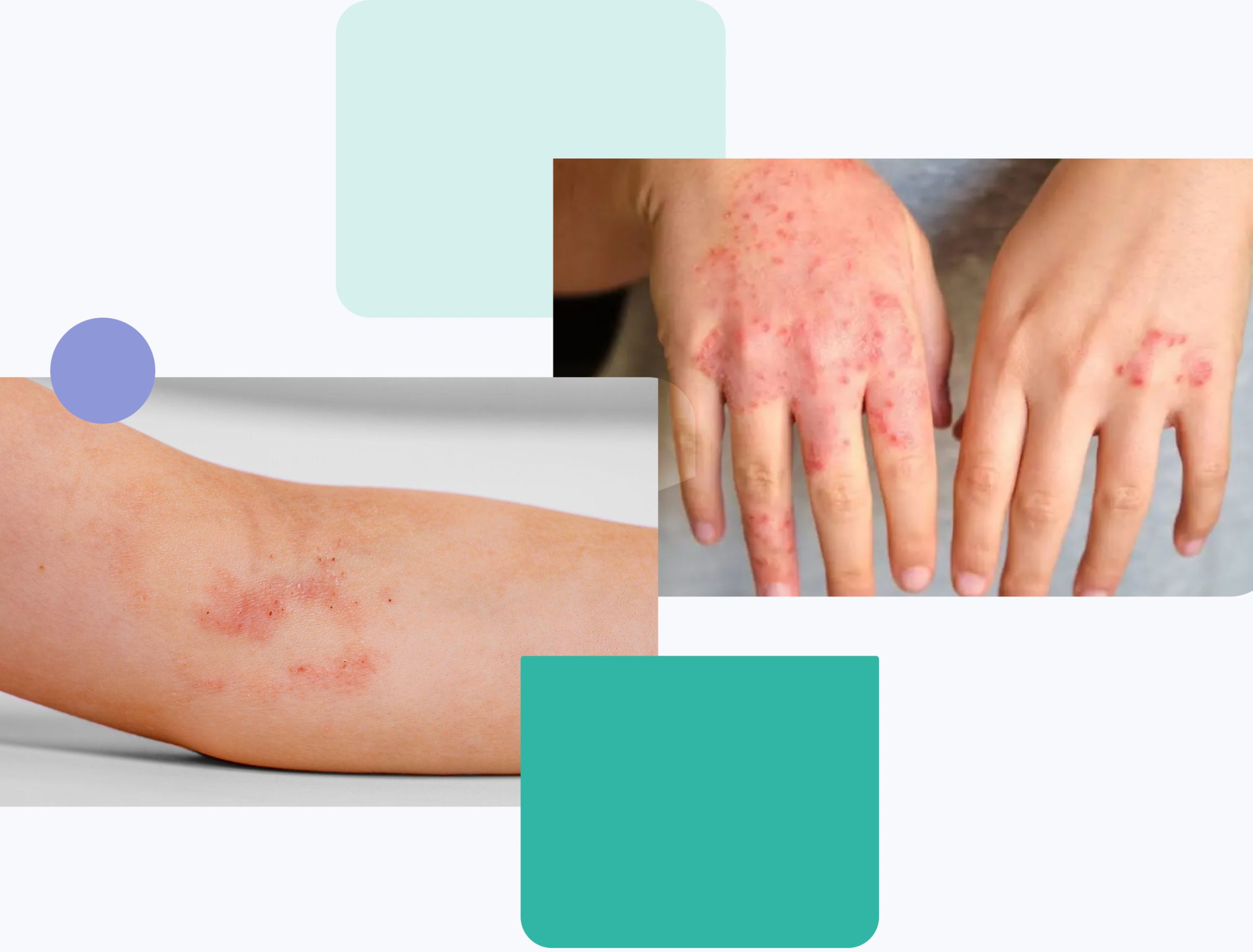
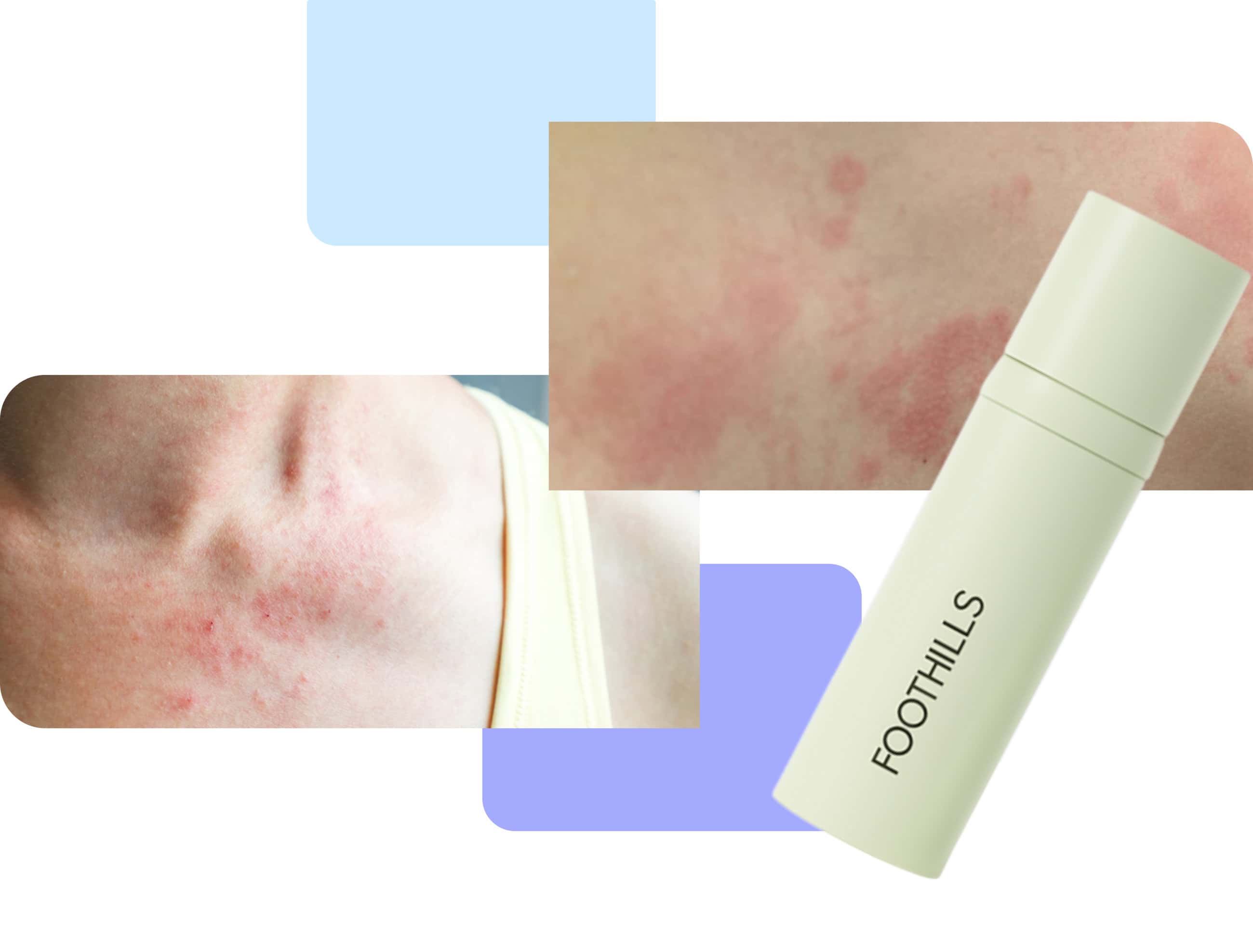
Collage showing atopic dermatitis symptoms on the skin, including red, inflamed, and irritated patches on the forearm and hands

Table of Content:
What is atopic dermatitis? | When should someone seek medical care? | Can it be treated online? | Choose a dermatologist | Best treatment creams | Personalized treatment | Causes and triggers | Signs and symptoms | Complications | How to prevent it? | Request a prescription | FAQ


Dermatologist  Dr. Sarita Nori
Medically reviewed by:
Dr. Sarita Nori
Dermatologist
urgency details

Don’t settle. Get care from a board-certified dermatologist you choose.

price details

Consultations are $30 – $59 for returning and new patients.

prescription details

Select your preferred pharmacy without any restrictions.

topicals details

Seamless access to customized Foothills formulas if desired.

What is atopic dermatitis?

Atopic dermatitis, commonly known as eczema, is a chronic inflammatory skin condition that causes dry, itchy, and red patches. It typically begins in childhood but can develop at any age, and it’s not contagious. Atopic dermatitis is part of the “atopic triad,” often seen in people with a family history of eczema, asthma, or hay fever. The condition makes the skin extremely itchy, and scratching can lead to redness, swelling, cracking, weeping, crusting, or scaling. Flares (periods when symptoms worsen) are followed by remissions, when the skin improves or clears.

Although living with atopic dermatitis can be challenging, especially during flares, treatment (such as daily moisturizing, topical corticosteroids or calcineurin inhibitors), and avoiding triggers can help manage symptoms. For many, it improves with age, but it may persist as a lifelong condition for others.1
Start consultation
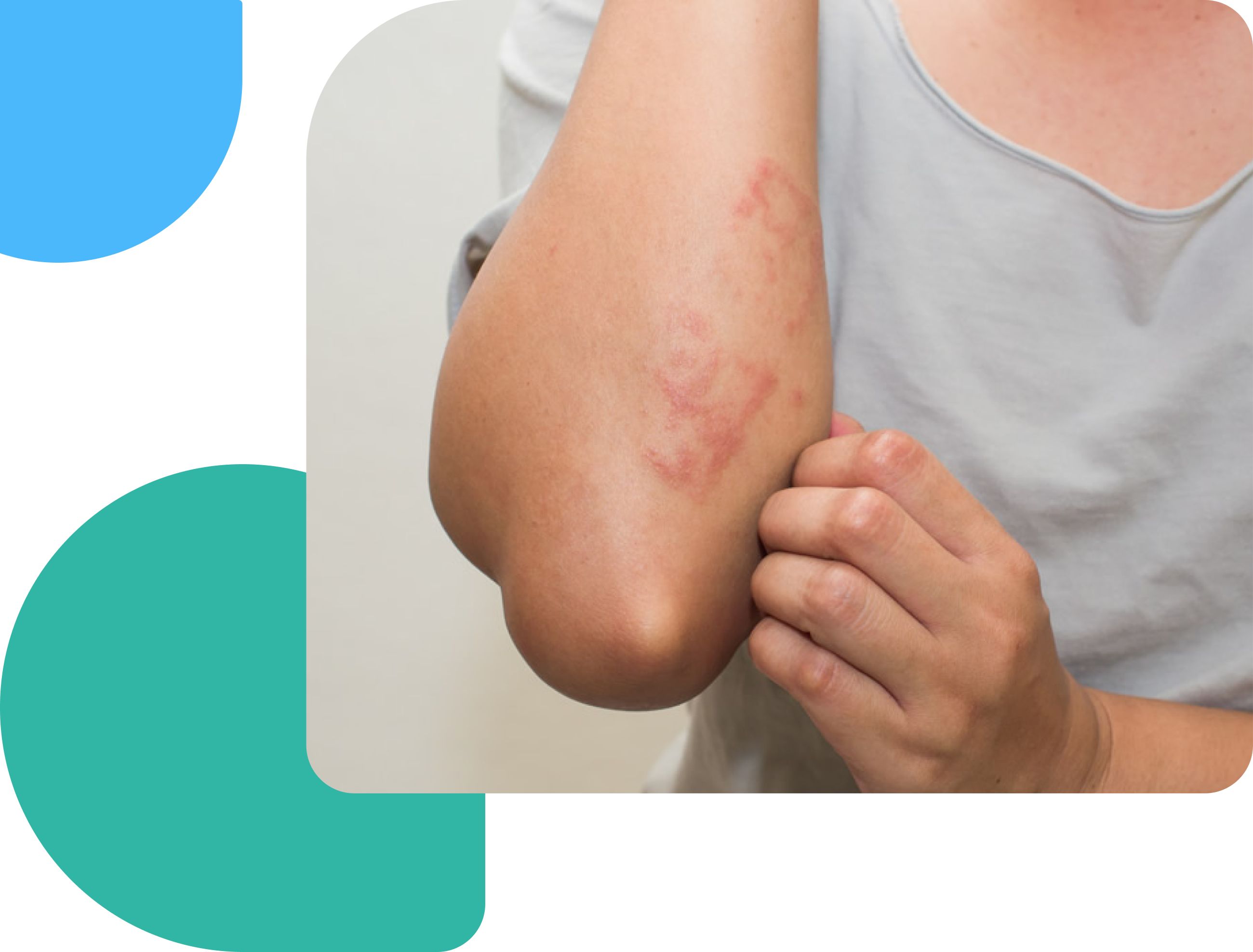
Atopic dermatitis on the elbow, showing red, inflamed patches of irritated skin.
Doctor speaking with a patient who has atopic dermatitis on the faceduring a consultation

When should someone seek medical care for atopic dermatitis?

According to Dr. Nori, board-certified dermatologist, you should seek medical care for atopic dermatitis if  symptoms such as itching are severe and affecting your sleep or daily life, or if you notice signs of infection like increased redness, swelling, pus, or pain. It’s also important to seek dermatologist treatment if the condition is widespread, recurrent, or interfering with work, school, or quality of life. A dermatologist can help create a personalized treatment plan and may recommend prescription medications or advanced therapies if needed.

Start consultation

Can atopic dermatitis be treated online?

Can an online dermatologist treat atopic dermatitis?

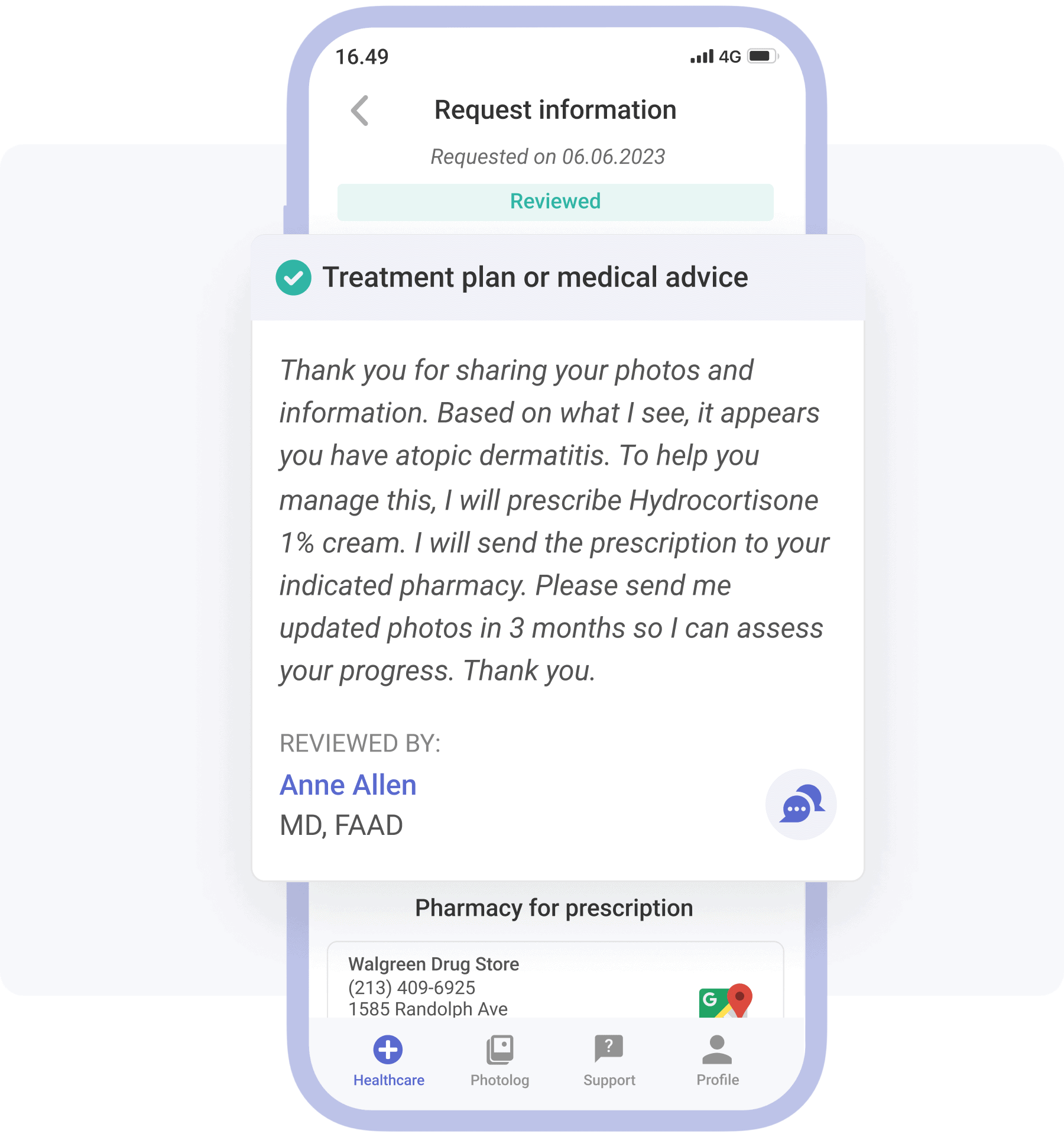
Yes, a board-certified dermatologist can diagnose and prescribe topical and some oral treatments via the Miiskin platform.

How to get an online prescription for atopic dermatitis?

Upload photos and complete a consultation on Miiskin to receive a personalized treatment plan and a prescription. New consultations are $59 and medication refill visits are only $39.

How to get my medication for atopic dermatitis?

If you select Foothills as your pharmacy, you can order your medication right on Miiskin and after payment is processed, it will be delivered to your home. If you choose a different pharmacy you can go the same day your prescription is issued. Most Foothills medications are $48.99, with a few exceptions priced at $58.99 and $68.99

Start consultation
request atopic dermatitis prescription

Meet your board-certified online dermatologist

You’re supported by experience. With more than 50,000 telehealth patients treated, Miiskin network dermatologists bring confidence, consistency, and expertise to every visit.

Dr. Anne Allen

Dr. Anne Allen

Online Dermatologist

Founder of Anne Allen MD

Dr. Allen provides expert virtual care for acne, hair loss, dark spots, anti-aging and pediatrics.

Prescribes custom formulas: Yes
Prescribes to Foothills Pharmacy: Yes

Medical licenses in the US:

Dr. Allen offers consultations to patients in 36 U.S. states.

Check licensed states

Choose dermatologist

Read bio

Dr. Trisha Khanna

Dr. Trisha Khanna

Online Dermatologist

Founder of TKMD Dermatology

Dr. Trisha Khanna treats acne, rosacea, eczema, psoriasis, hair loss, hyperpigmentation.

Prescribes custom formulas: Yes
Prescribes to Foothills pharmacy: Yes

Medical licenses in the US:

Dr. Trisha Khanna offers consultations to patients in 27 U.S. states

Check licensed states

Choose dermatologist

Read bio

Dr. Sarita Nori

Dr. Sarita Nori

Online Dermatologist

Founder of Nori Dermatology

Dr. Nori treats various skin conditions such as psoriasis, acne, eczema, rashes, and hair loss.

Prescribes custom formulas: Yes
Prescribes to Foothills pharmacy: Yes

Medical licenses in the US:

Dr. Sarita Nori offers consultations to patients in FL, CA, MA, TX, NH, CT, ME

Choose dermatologist

Read bio

Dr. Ryan Trowbridge

Dr. Ryan Trowbridge

Online Dermatologist

Founder of Bridge Dermatology

Dr. Ryan Trowbridge treats acne, hair loss, hyperpigmentation, and aging skin.

Prescribes custom formulas: Yes
Prescribes to Foothills pharmacy: Yes

Medical licenses in the US:

Dr. Ryan Trowbridge offers consultations in CA, CT, NY, TX, NE, IL.

Choose dermatologist

Read bio

Dr. Amit Om

Dr. Amit Om

Online Dermatologist

Founder of Om Dermatology

Dr. Amit Om specializes in hair loss, acne, cosmetic, and medical dermatology.

Prescribes custom formulas: Yes
Prescribes to Foothills pharmacy: Yes

Medical licenses in the US:

Dr. Amit Om offers consultations in NC, SC, FL, GA, IL, CT, TX, CA

Choose dermatologist

Read bio

Dr. Anna Chacon

Dr. Anna Chacon

Online Dermatologist

Founder of Anna Chacon MD

Dr. Chacon provides expert virtual care for acne, anti-aging, hyperpigmentation, hair loss and many other conditions.

Prescribes custom formulas: Yes
Prescribes to Foothills pharmacy: Yes

Medical licenses in the US:

Dr. Anna Chacon offers consultations in 50 U.S. states.

Choose dermatologist

Read bio

Dr. Eric Howell

Dr. Eric Howell

Online Dermatologist

Partner of Eastern Dermatology and Pathology

Dr. Howell provides expert care for acne, rosacea, anti-aging, and hair loss

Prescribes custom formulas: Yes
Prescribes to Foothills pharmacy: Yes

Medical licenses in the US:

Dr. Eric Howell offers consultations to patients in the state of North Carolina.

Start a consultation

Read bio

Treatment options: What are the best atopic dermatitis treatment creams?

Board-certified dermatologist Dr. Sarita Nori notes that dermatologists tailor each prescription by evaluating symptoms, severity, and other clinical factors to ensure appropriate care.

Medications for atopic dermatitis

Hydrocortisone
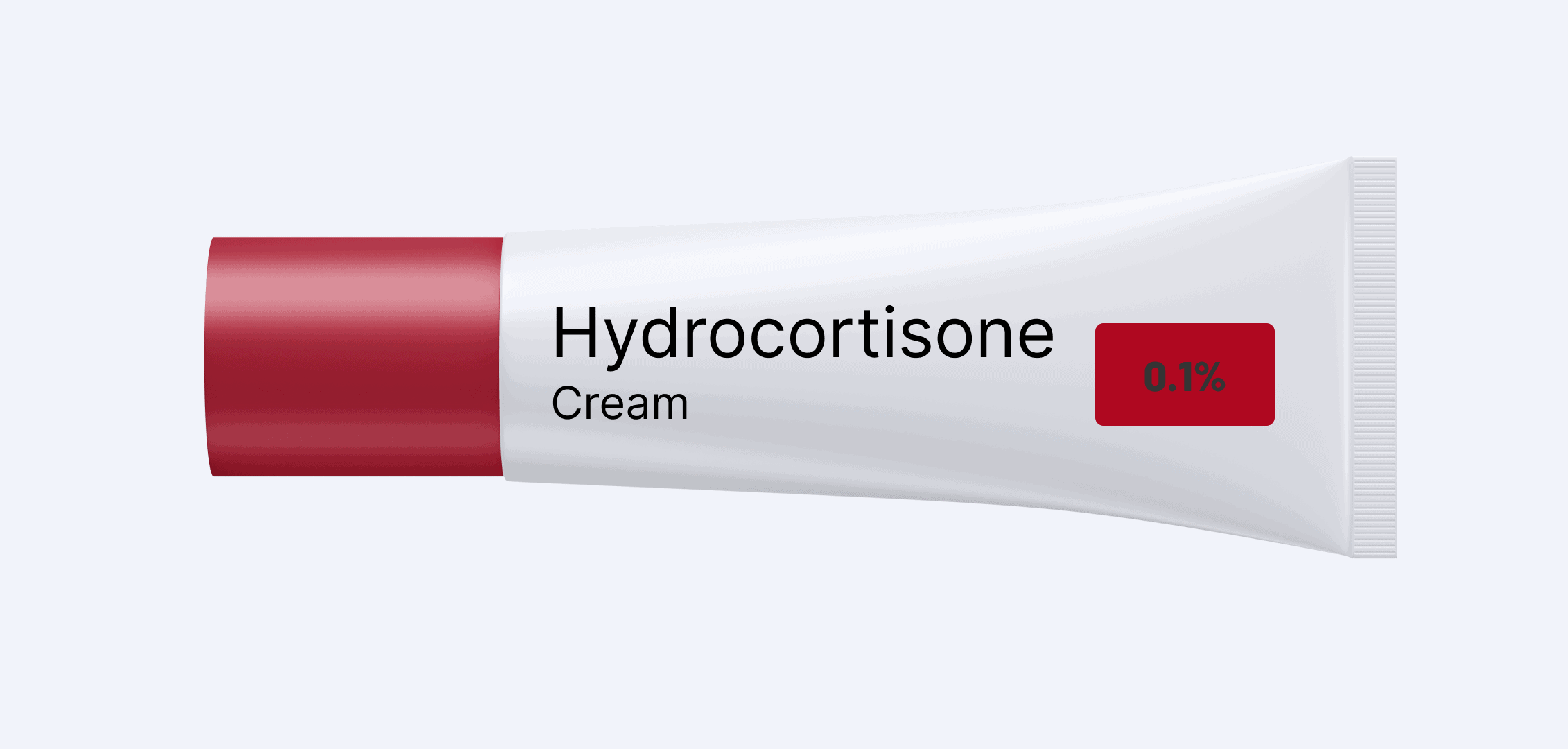
Hydrocortisone cream

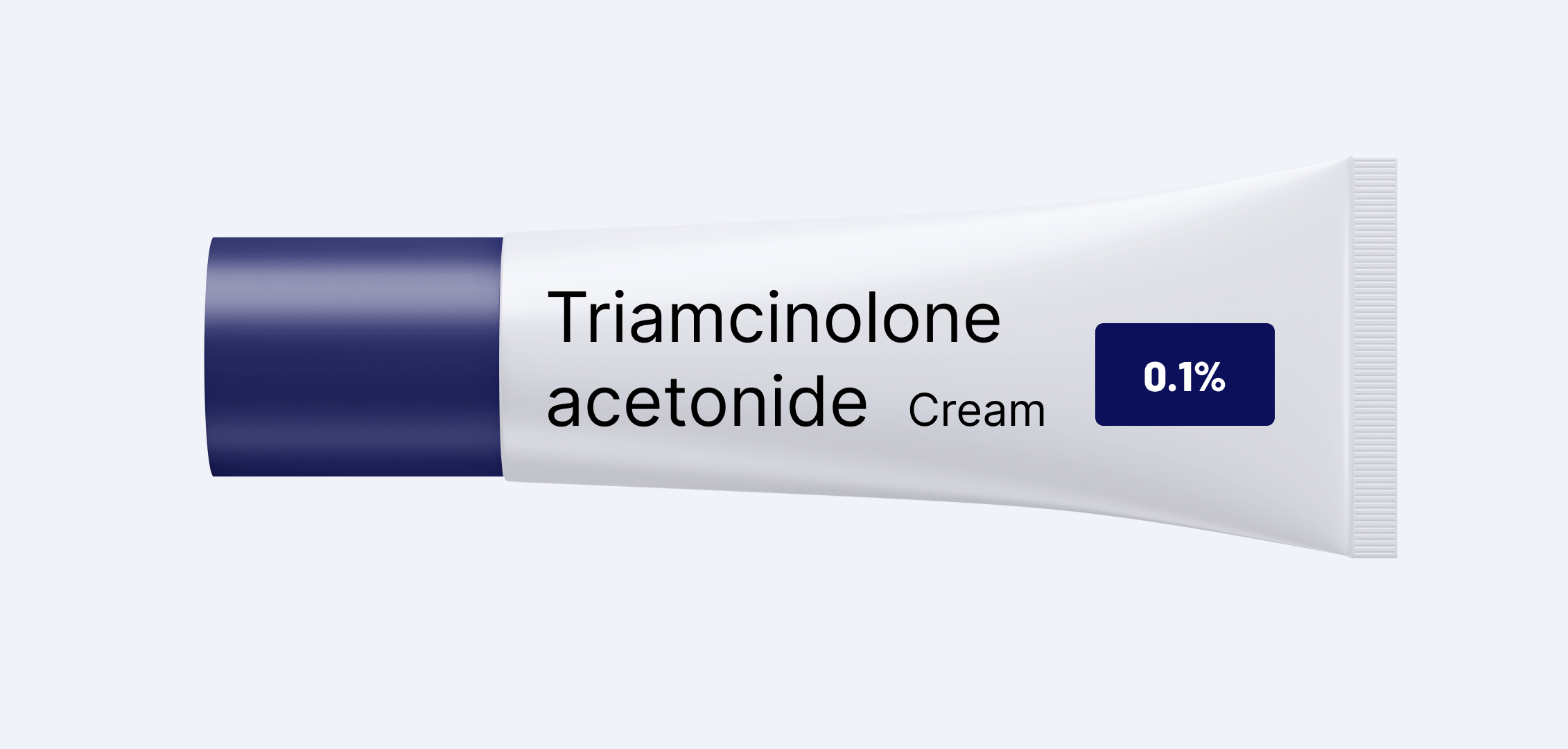
Triamcinolone acetonide

Triamcinolone acetonide cream

Clobetasol propionate

Clobetasol propionate ointment

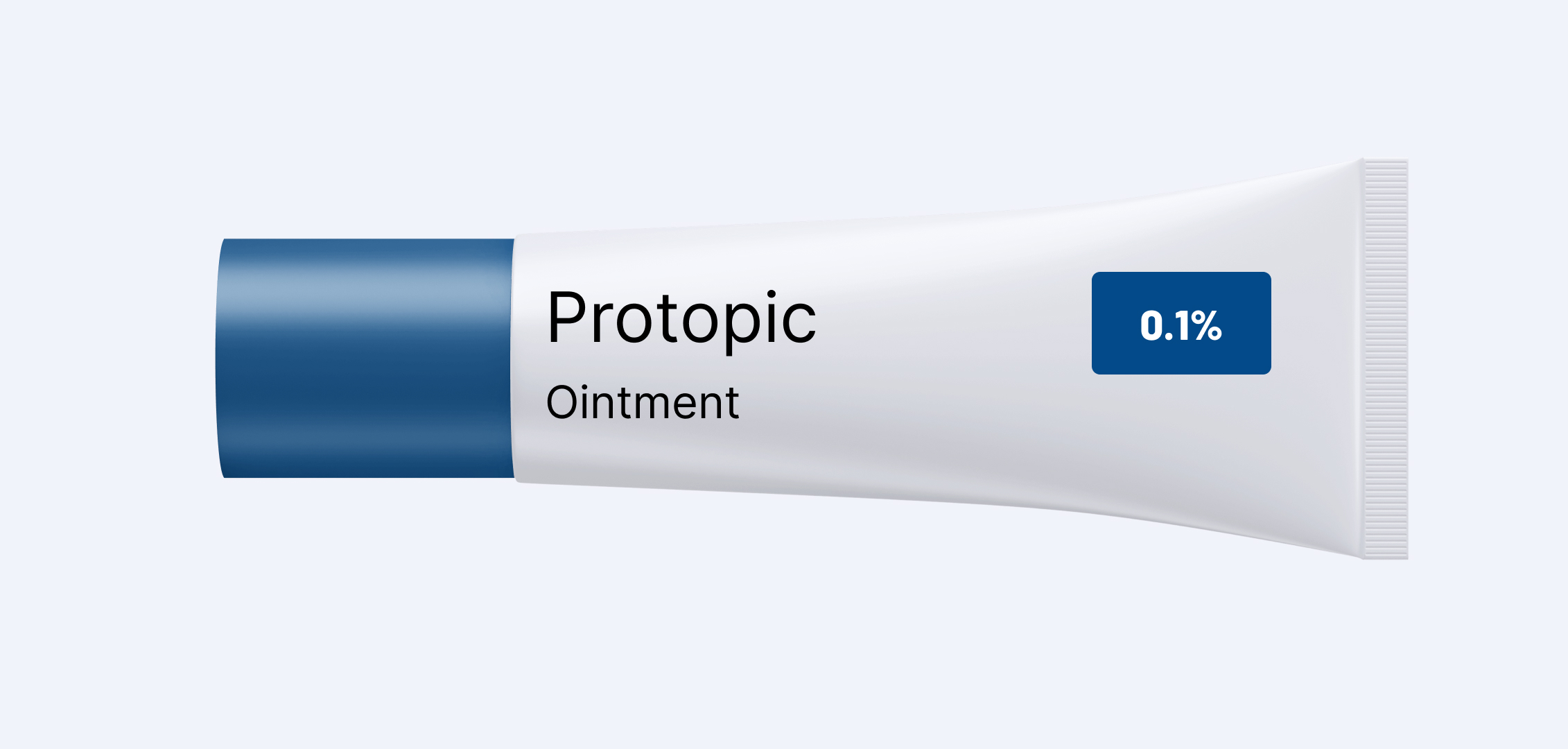
Tacrolimus (Protopic)

protopic ointment

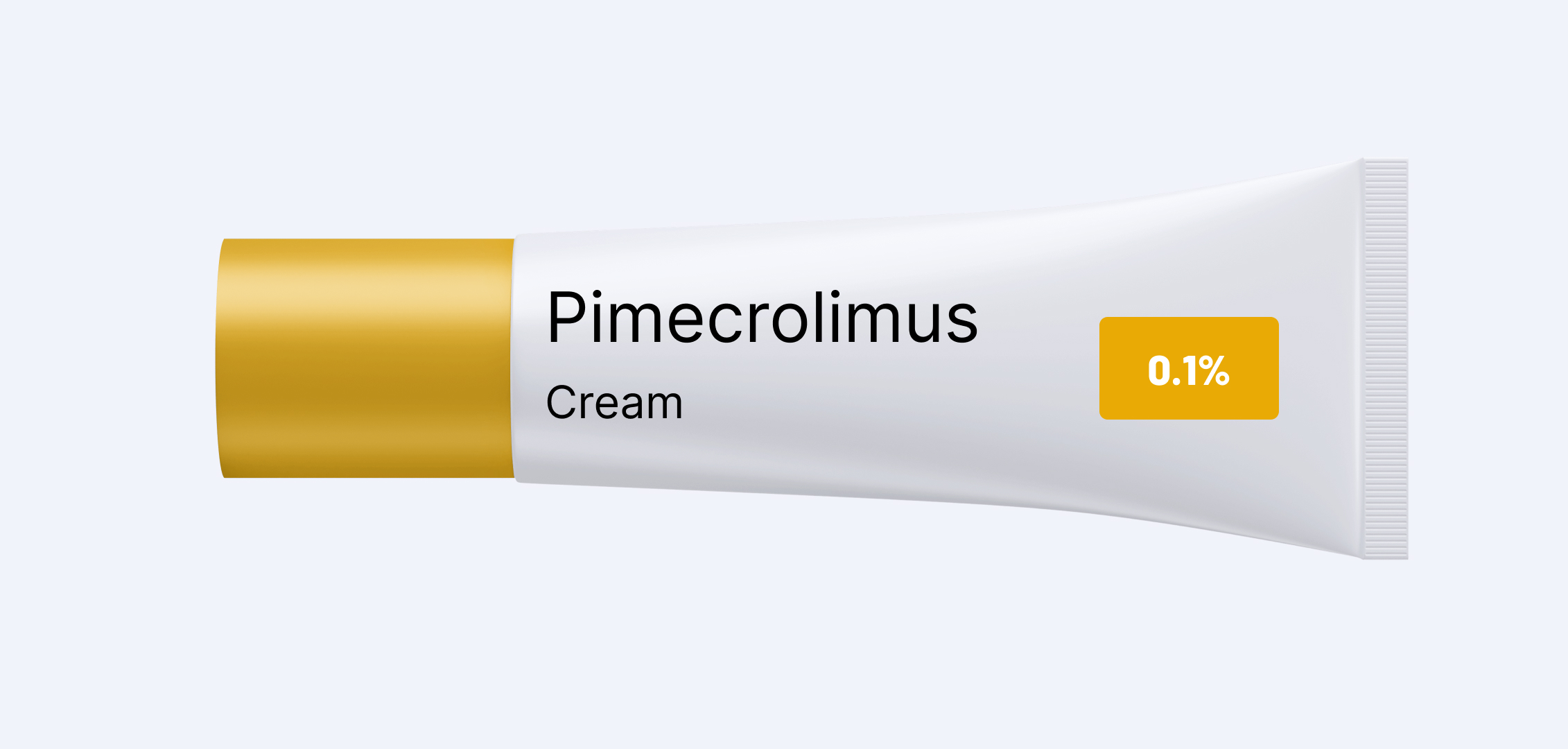
Pimecrolimus (Elidel)

Pimecrolimus cream

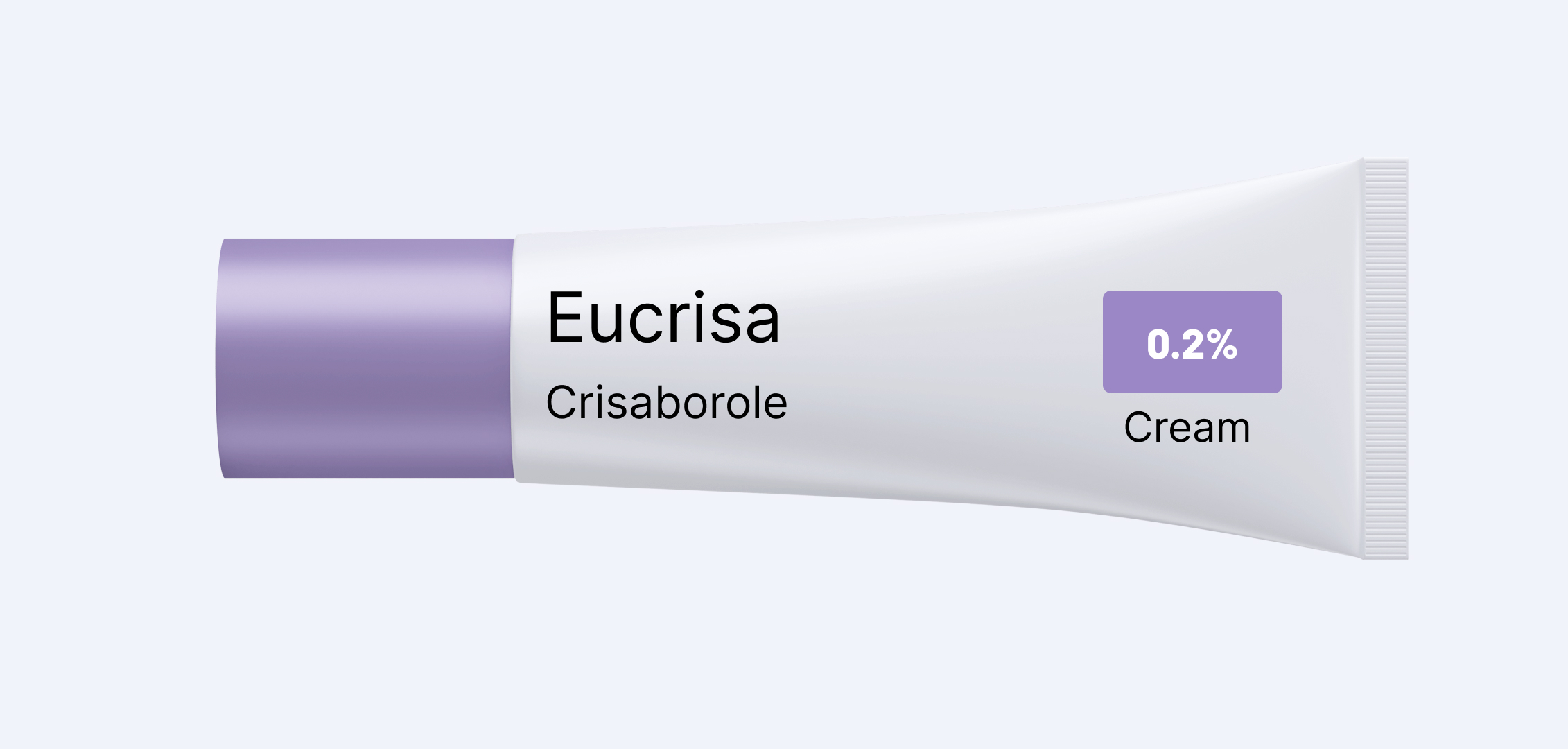
Crisaborole (Eucrisa)

eucrisa cream
customized atopic dermatitis treatment backed by science

Personalized atopic dermatitis treatment, guided by professionals

Miiskin connects you with board-certified dermatologists who can evaluate atopic dermatitis and, when appropriate, prescribe personalized compounded treatments tailored to your specific needs. If a compounded option is recommended, you can select Foothills as your preferred pharmacy so your dermatologist can create a formula designed just for you.

There are no subscriptions or hidden fees, you pay for your consultation and your medication when you need it.

Important Disclaimer: Compounded medications are not reviewed by the FDA for safety or efficacy.

Start consultation

About atopic dermatitis

Atopic dermatitis causes and triggers

Included Family history of eczema, asthma, or allergies

Included Allergens such as dust mites, pollen, or pet dander

Included Harsh soaps, detergents, or fragranced skin products

Included Certain foods (such as peanuts, eggs, wheat, or shellfish) 2

Included Weak skin barrier that allows irritants and allergens to penetrate

Included Climate changes and exposure to extreme hot or cold weather

Signs and symptoms of atopic dermatitis

Included Dry skin that may feel tight or rough to the touch

Included Red or inflamed patches, especially during flare-ups

Included Intense itching, often worse at night or after scratching

Included Thickened or leathery skin from chronic scratching

Included Small, fluid-filled bumps or crusting on the skin

Included Darkened or discolored areas caused by irritation3

What are the complications of atopic dermatitis?

Dr. Nori says that the primacy complication of atopic dermatitis is its effect on quality of life due to the itching. Other complications of atopic dermatitis can include skin infections from bacteria like Staphylococcus aureus due to frequent scratching and a weakened skin barrier. Some people may develop eczema herpeticum, a serious viral infection caused by the herpes simplex virus. Chronic itching and scratching can lead to thickened, leathery skin (lichenification) or changes in skin color.
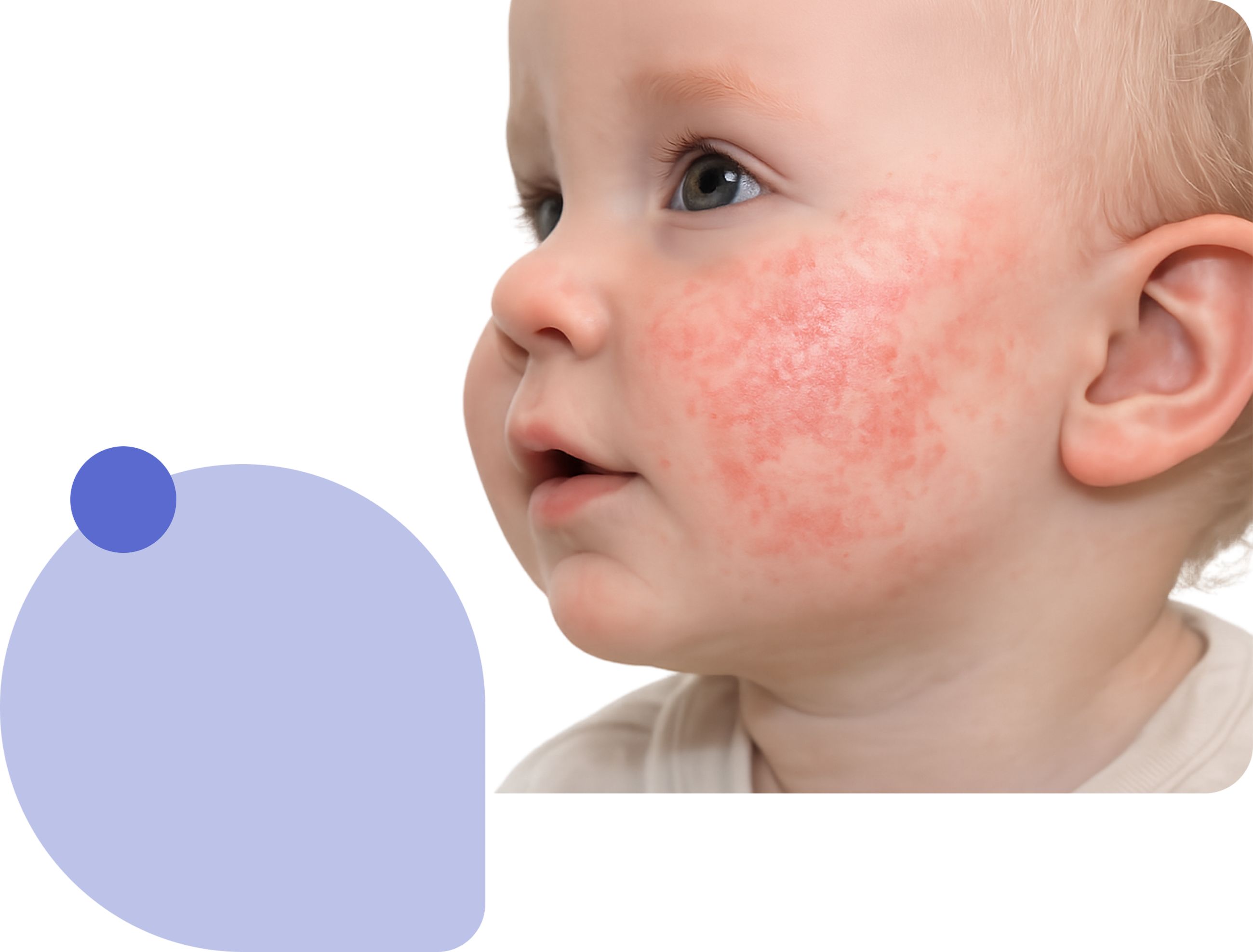
toddler with atopic dermatitis on face
atopic dermatitis prevention

How to prevent atopic dermatitis?

According to Dr. Nori, to help prevent atopic dermatitis or reduce flare-ups, focus on protecting and strengthening your skin barrier. Use a gentle, fragrance-free moisturizer daily, ideally within a few minutes after bathing, to lock in moisture. Choose mild, non-soap cleansers and avoid long, hot showers that dry out your skin. Use fragrance-free laundry detergents and avoid fabric softeners. Identify and avoid personal triggers, such as certain fabrics, allergens, or harsh skincare products. Keep your environment cool and humidified during dry seasons, and manage stress, which can worsen symptoms. For those with known allergies, reducing exposure to allergens like dust mites or pet dander may also help, as well as treating allergy symptoms with anti-histamines.

Mobile App to track mole changes

How to get a prescription for atopic dermatitis?

  1. Start consultation to get a diagnosis and treatment for your atopic dermatitis.
  2. Get an answer from an online dermatologist in your state.
  3. Buy your medication at a pharmacy nearby and start treatment.
Start consultation
prescription for psoriasis

Process to getting a prescription for atopic dermatitis treatment
Through Miiskin, you get in touch with a dermatologist using an online dermatology consultation. The dermatologist will review your case and will write you a prescription for atopic dermatitis if it is suitable for you. Then you can pick it up at the pharmacy of your choice.

What patients say about Miiskin

Very happy with this service. Quick and easy. With someone with not the greatest insurance and super busy. This was perfect. Got my prescription next day and great advice for my condition.

Marcus Liniarski,
Patient Review →

10 of 10stars

I had a great experience with Miiskin – I was able to get my prescription very quickly and their app is easy to use. It was very convenient and their team is very responsive. I highly recommend them and will likely use them in the future for other skin issues.

Susie Tse,
Patient Review →

10 of 10stars

What a technology! I was very impressed by the speed of communication with a doctor using the Miiskin app. Losing my hair has been my biggest concern, but I didn’t have the courage to reveal my bald spot to a doctor in person. Miiskin solved all my issues instantly. I just took a photo in my own room, uploaded it, and wrote about my concerns. That’s it. The best part is that without insurance, the consultation fee was much lower than any health insurance. I submitted my photo at midnight and received a prescription the very next morning. The doctor at Miiskin was very professional and empathetic, which really helped ease my emotional distress. Although I’m just at the beginning stage of my treatment and haven’t seen significant results yet, I feel reassured and supported. I will definitely upload my progress in 3 to 4 months to show my appreciation for the prescription from Miiskin.

Jiyeon Kang,
Patient Review →

10 of 10stars

My dermatologist was extremely quick, reviewed my consultation request within 2hrs and I had my Rx the next day! The Miiskin team also responds within minutes and are very polite and communicated concisely. I’ll never make a in person appointment again after experiencing this outstanding and affordable telehealth service!

Dion H,
Patient Review →

10 of 10stars

Quick response from the dermatologist — I wanted a fast turnaround for a skin concern that would be more immediate than going through health insurance, making an appointment, traveling to the doctor.

Timothy C.
Patient Review →

10 of 10stars

FAQ about atopic dermatitis and its treatment

Dr. Sarita Nori answers the most popular questions about atopic dermatitis.

What is the difference between eczema and dermatitis?

According to Dr. Nori, “eczema” and “dermatitis” are often used interchangeably, but they aren’t exactly the same. Dermatitis is a general medical term that means inflammation of the skin, and it includes many different conditions. Eczema is a specific type of dermatitis that causes dry, itchy, and inflamed skin. So, all eczema is dermatitis, but not all dermatitis is eczema. For example, contact dermatitis (from an irritant or allergen) and seborrheic dermatitis (affecting oily areas like the scalp) are forms of dermatitis that are not classified as eczema.

What is the fastest way to cure atopic dermatitis?

Dr. Nori says that atopic dermatitis doesn’t have a permanent cure, but flare-ups can be brought under control quickly with the right treatment plan. The fastest way to calm a flare is by using a prescription-strength topical steroid (such as triamcinolone or clobetasol for severe cases), applied to inflamed areas, along with consistent use of a fragrance-free moisturizer to repair the skin barrier. In more sensitive areas or for long-term management, non-steroidal creams like tacrolimus (Protopic) or crisaborole (Eucrisa) may be used. Avoiding known triggers, such as allergens, irritants, and stress, is essential for rapid and sustained improvement.

What can trigger atopic dermatitis?

Atopic dermatitis flares can be triggered by a wide range of factors, according to Dr. Nori. Common triggers include dry skin, season changes, cold or dry weather, and irritants such as soaps, detergents, and fragrances. Allergens like dust mites, pet dander, pollen, and mold can also provoke symptoms, especially in people with allergic tendencies. Emotional stress, sweating, heat, or even certain fabrics like wool can lead to flare-ups. What is the best treatment for atopic dermatitis?

Dr. Nori says that the best treatment combines daily skin care, inflammation control, and trigger avoidance. This typically includes the regular use of effective, fragrance-free moisturizers to maintain the skin barrier, and topical anti-inflammatory medications to treat flares. Mild to moderate flares often respond to topical corticosteroids like hydrocortisone or triamcinolone. For more sensitive areas or long-term use, non-steroidal options like tacrolimus (Protopic), pimecrolimus (Elidel), or crisaborole (Eucrisa) are effective. In severe cases, oral medications or biologics like dupilumab (Dupixent) may be necessary under dermatologist supervision.

What is the best topical medication for atopic dermatitis?

Prescription ointments are preferred as they contain the least amount of preservatives, the vaseline consistency helps to moisturize the skin, and they are less irritating than creams. The best ointment depends on the severity and location of your dermatitis. Dr. Nori says that for inflammation, topical corticosteroids (e.g., triamcinolone, betamethasone) are commonly prescribed. For sensitive areas or long-term use, non-steroid options like tacrolimus (Protopic) and pimecrolimus (Elidel) work well without the risk of thinning skin. Crisaborole (Eucrisa) is another non-steroidal anti-inflammatory that can be used safely long term. In addition, regular use of thick moisturizers such as Vanicream, or Eucerin/Aveeno/Cetaphil/Cerave CREAM moisturizers helps strengthen the skin barrier and prevent flares.

How to treat atopic dermatitis in kids?

Dr. Nori says that treatment for children focuses on gentle, consistent skin care and minimizing flare triggers. Use a daily fragrance-free moisturizer—especially after bathing—to prevent dryness and repair the skin barrier. During flares, pediatric-appropriate topical corticosteroids are commonly used under medical supervision. For more persistent eczema, a doctor may prescribe tacrolimus (Protopic) or pimecrolimus (Elidel), which are safe for children over age 2; crisaborole (Eucrisa) is approved for 6 months and older. It’s also important to avoid known triggers, such as harsh soaps, certain fabrics, and allergens like dust or pet dander. Keeping nails short and using soft mittens at night can help reduce damage from scratching.

Why do kids get atopic dermatitis?

Children develop atopic dermatitis due to a combination of genetics and environmental factors, says Dr. Nori. It’s especially common in families with a history of eczema, asthma, or allergies. The skin’s barrier function in these children is often weaker, which allows moisture to escape and irritants or allergens to penetrate more easily. This leads to inflammation, dryness, and itching. Immune system overactivity also plays a role, causing the skin to overreact to otherwise harmless substances. Most children develop symptoms in infancy or early childhood, but many see improvement as they grow older.

What are the treatment options for adult patients with atopic dermatitis?

Dr. Nori says that the treatment for adults with atopic dermatitis often includes a combination of daily skin care, prescription medications, and lifestyle adjustments. First-line therapy typically involves regular use of fragrance-free moisturizers and topical corticosteroids to reduce inflammation during flares. For long-term or sensitive areas, non-steroidal options like tacrolimus (Protopic), pimecrolimus (Elidel), or crisaborole (Eucrisa) are effective alternatives. Adults with moderate to severe eczema may benefit from systemic treatments such as oral corticosteroids, immunosuppressants like cyclosporine, or biologic therapies like dupilumab (Dupixent). Identifying and avoiding personal triggers, such as allergens, stress, or irritants, is also key to managing symptoms.

How is pediatric atopic dermatitis diagnosed and treated?

Dr. Nori says that pediatric atopic dermatitis is diagnosed based on the child’s symptoms, appearance of the rash, and family history of allergies or asthma. Treatment focuses on gentle skin care and inflammation control. Parents are advised to use fragrance-free, thick moisturizers daily to strengthen the skin barrier, and apply prescribed topical steroids as directed during flares. For children over two with persistent or sensitive-area eczema, non-steroidal treatments like tacrolimus or pimecrolimus or crisaborole may be prescribed. It’s also important to identify triggers such as certain foods, soaps, or environmental allergens, and to keep the child’s nails trimmed to prevent skin damage from scratching.

What are the best treatment options for itching caused by atopic dermatitis?

To relieve itching from atopic dermatitis, Dr. Nori suggests a treatment that targets both inflammation and the damaged skin barrier. Topical corticosteroids or calcineurin inhibitors help reduce the underlying inflammation that drives itch. Daily use of emollients, such as ointments or creams containing ceramides, keeps the skin hydrated and less reactive. For intense or nighttime itching, non-sedating or sedating antihistamines may be used short-term. Crisaborole (Eucrisa), a non-steroidal anti-inflammatory cream, is also effective in relieving itch in mild to moderate cases. Avoiding known triggers, using lukewarm baths, and practicing good skin hygiene are essential parts of itch management.

References:
1https://www.niams.nih.gov/health-topics/atopic-dermatitis
2https://my.clevelandclinic.org/health/diseases/24299-atopic-dermatitis
3https://www.niams.nih.gov/health-topics/atopic-dermatitis


Teledermatology Clinic Online Need a prescription for atopic dermatitis?
Consult a dermatologist →

Miiskin Logo

  • Facebook
  • Twitter
  • Pinterest

App Store Moles App

Google Play Moles App

For HCPs

Join the Miiskin network

Dermatologists using Miiskin

Pricing

Patient Engagement

Miiskin Features

FAQ for dermatologists

For patients

Find a dermatologist

Miiskin app

In-person vs. online dermatology

Apostrophe skincare alternative

Personalized compounded prescriptions

FAQ for patients

Company

About Miiskin

Educational Content

Media Kit & News

Contact

Careers

Visit the Mexican website

Miiskin is an online dermatology consultations platform that connects patients with independent dermatologists.

All consultations are provided by independent online dermatologists on a cash-pay-only basis. Miiskin does not practice medicine or pharmacy. Prescriptions, if medically appropriate, are sent to third-party pharmacies, which are paid directly for any medication. Medication images on the website are for illustrative purposes only and images of people are not actual patients. Medical information on miiskin.com is for informational purposes and not medical advice. Consult a healthcare provider for any concerns.

Verify Approval for Miiskin.com HIPAA Compliance Verification - Miiskin.com


Terms of Service · Privacy Policy · Privacy Settings · Cookie Policy · Miiskin © 2026