Antifungal cream prescription by dermatologist

24-48hr response
Nationwide service
  • Connect with an independent board-certified dermatologist
  • Choose between FDA-approved or customized medications
  • No subscriptions

*Average online dermatologist response time from July-September 2026: 18.6 hours

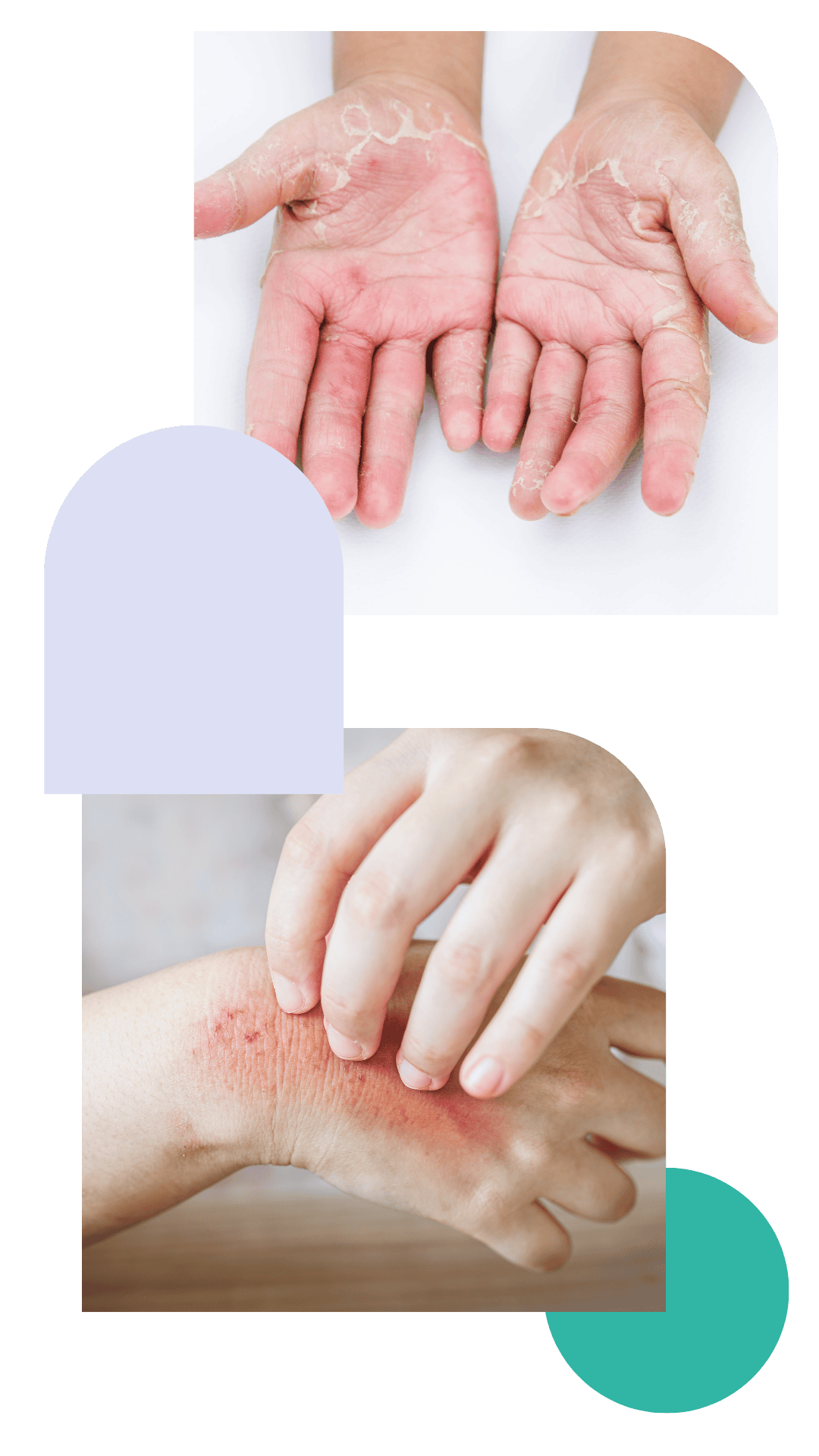
man and woman with fungal infections

Dermatologist  Dr. Ryan Trowbridge
Medically reviewed by:
Dr. Ryan Trowbridge
Dermatologist

Why request an antifungal cream prescription via Miiskin?

urgency details

Stay with your chosen dermatologist or switch anytime

price details

Consultations are $39 – $79 for returning and new patients.

prescription details

Select your preferred pharmacy without any restrictions.

topicals details

Access to customized prescription formulas, if desired

Fungal infections on the skin are caused by fungi on the skin that thrive in warm, moist environments. These infections typically present as red, itchy, scaly, or discolored patches with well-defined edges. Some, like ringworm, may form circular, ring-like patterns, while others, like yeast infections, appear as moist, inflamed areas with smaller satellite lesions. Fungal infections are contagious and can spread through direct contact or shared items, but they are generally treatable with antifungal creams, powders, or oral medications for more severe cases.

What are the different types of fungal infections?

number one

Athlete’s Foot

Dermatophyte infection that affects the feet, often between the toes.

Symptoms: Itching, redness, peeling, and scaling.

number two

Jock Itch

Dermatophyte infection that affects the groin, inner thighs, and buttocks.

Symptoms: Red, itchy, ring-like rash with a scaly border.

number three

Ringworm

Dermatophyte infection that affects the body (arms, legs, torso).

Symptoms: Circular, red, scaly patches with raised edges.

number four

Scalp Ringworm

Dermatophyte infection that affects the scalp and hair shafts.

Symptoms: Scaly patches, hair loss, black dots, and sometimes pus-filled bumps.

number five

Beard Ringworm

Dermatophyte infection that affects the beard area.

Symptoms: Red, inflamed areas or pustules, sometimes mimicking bacterial folliculitis.

number six

Onychomycosis

Dermatophyte infection that affects the nails, very hard to treat.

Symptoms: Thickened, brittle, discolored nails.

number seven

Yeast infections

Affects moist areas under the breasts, armpits, groin, and between skin folds.

Symptoms: Red, itchy rash with a moist appearance and (small bumps around the rash).

number eight

Tinea Versicolor

Tinea versicolor is caused by the malassezia yeast.

Symptoms: Discolored patches (lighter or darker than surrounding skin), often on the chest, back, or shoulders, with mild scaling.

number nine

Seborrheic Dermatitis

Seborrheic Dermatitis is also caused by the Malassezia yeast.

Symptoms: Greasy, yellowish scaling and redness, typically on the scalp, face, and chest.

What antifungal prescriptions can I request?

The medication your dermatologist will prescribe, depends on the type of fungus you have. Broadly speaking there are two types of skin fungal infections: yeast infections and dermatophyte infections. 

Antifungal prescriptions for dermatophyte infections (ringworm)

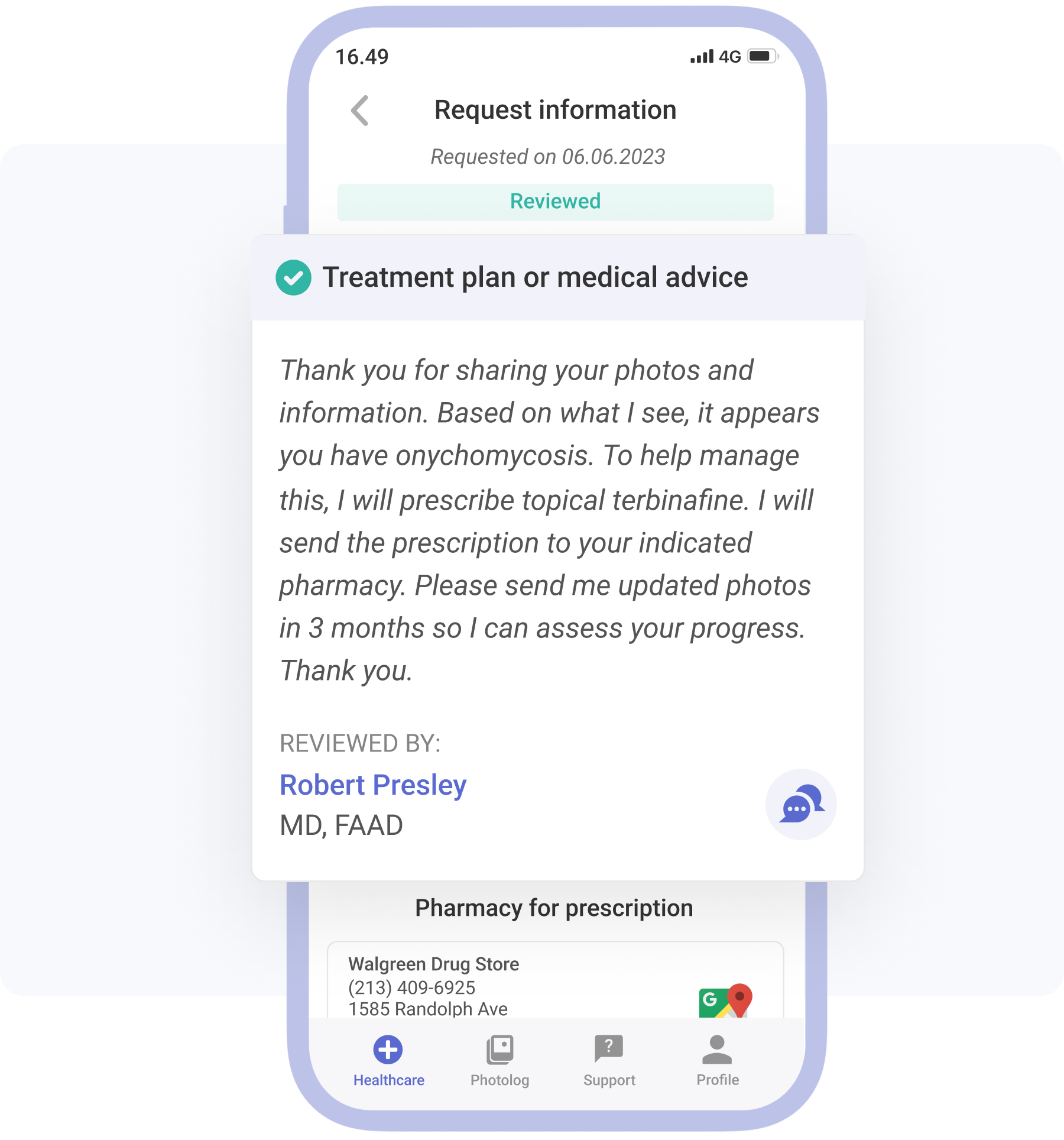
Topical terbinafine
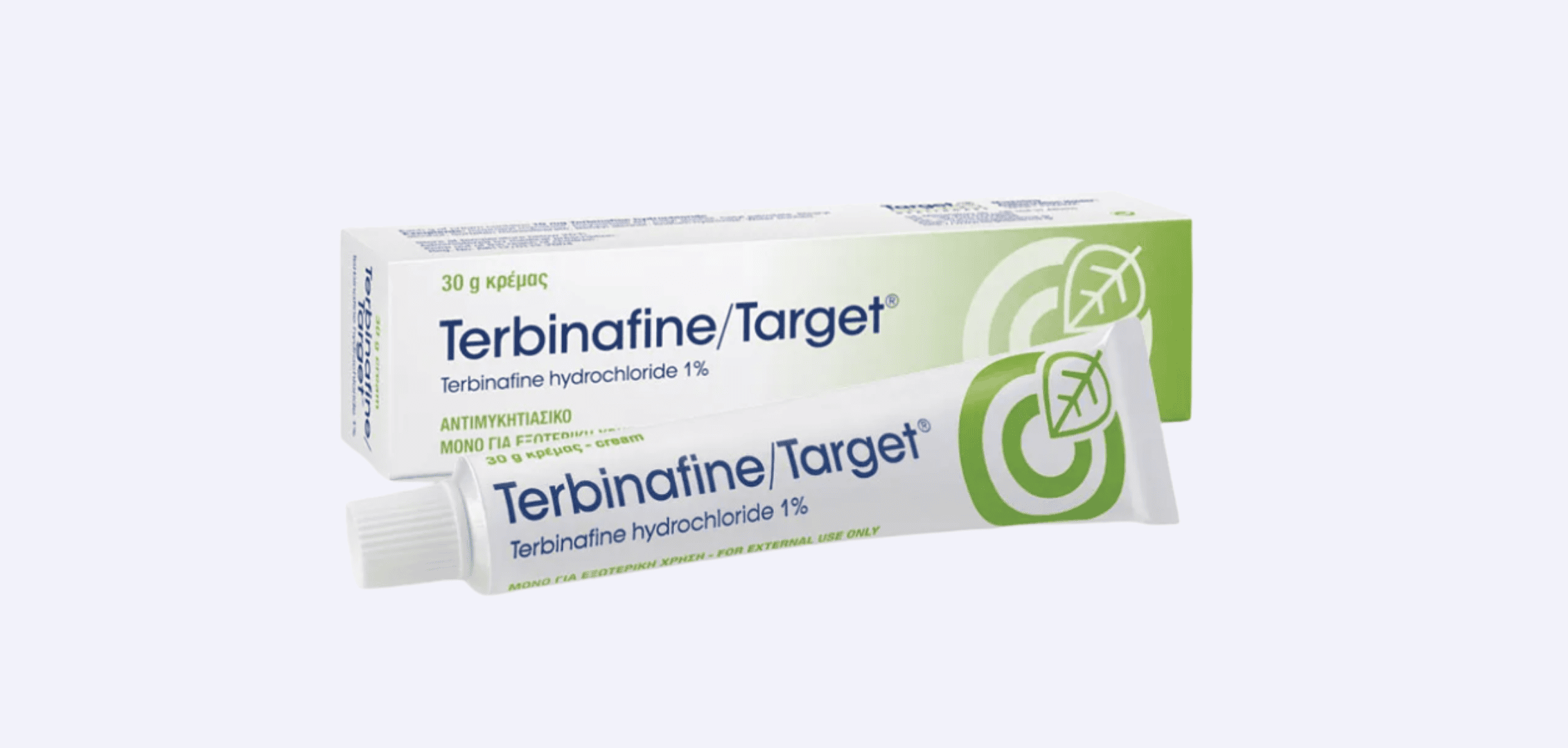
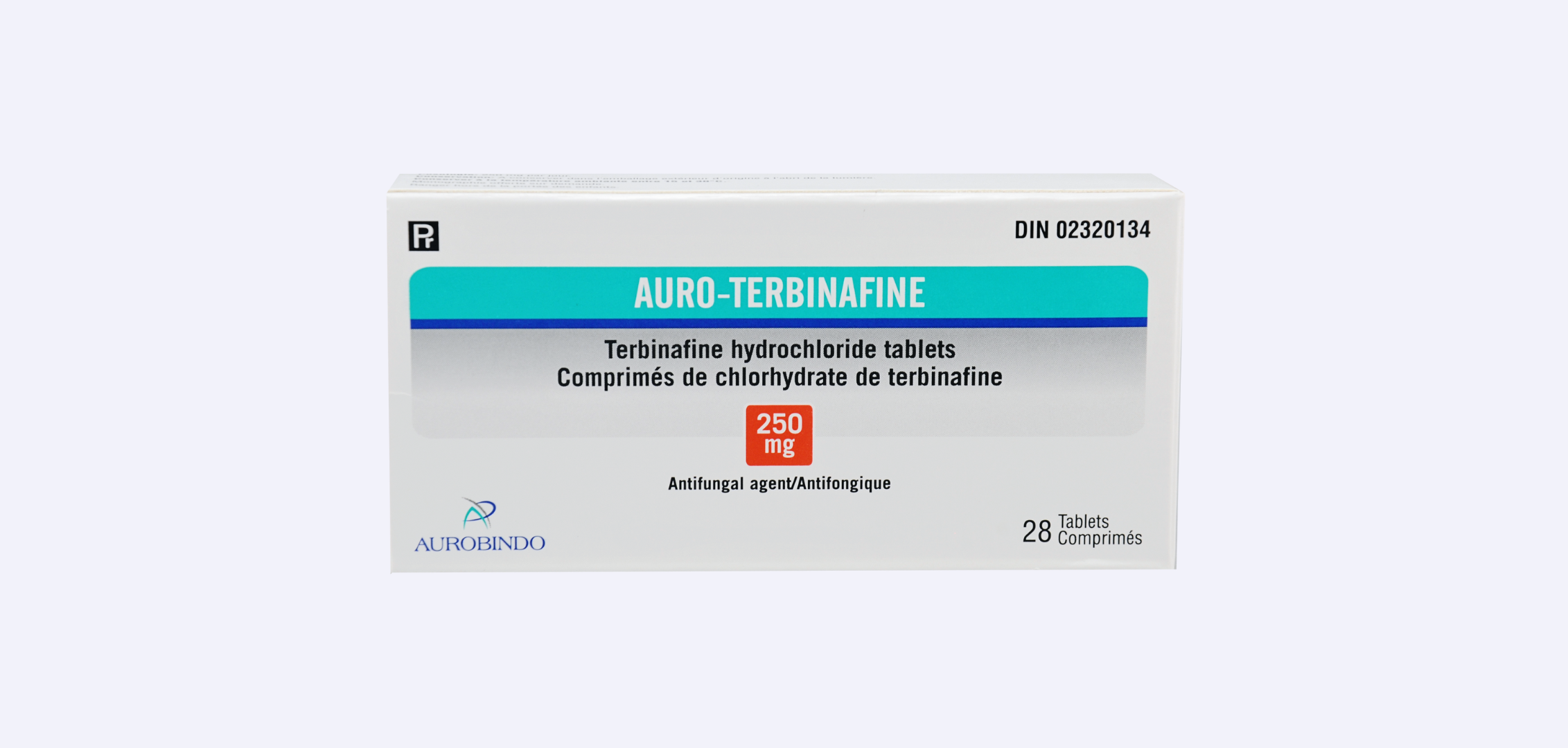
Oral terbinafine
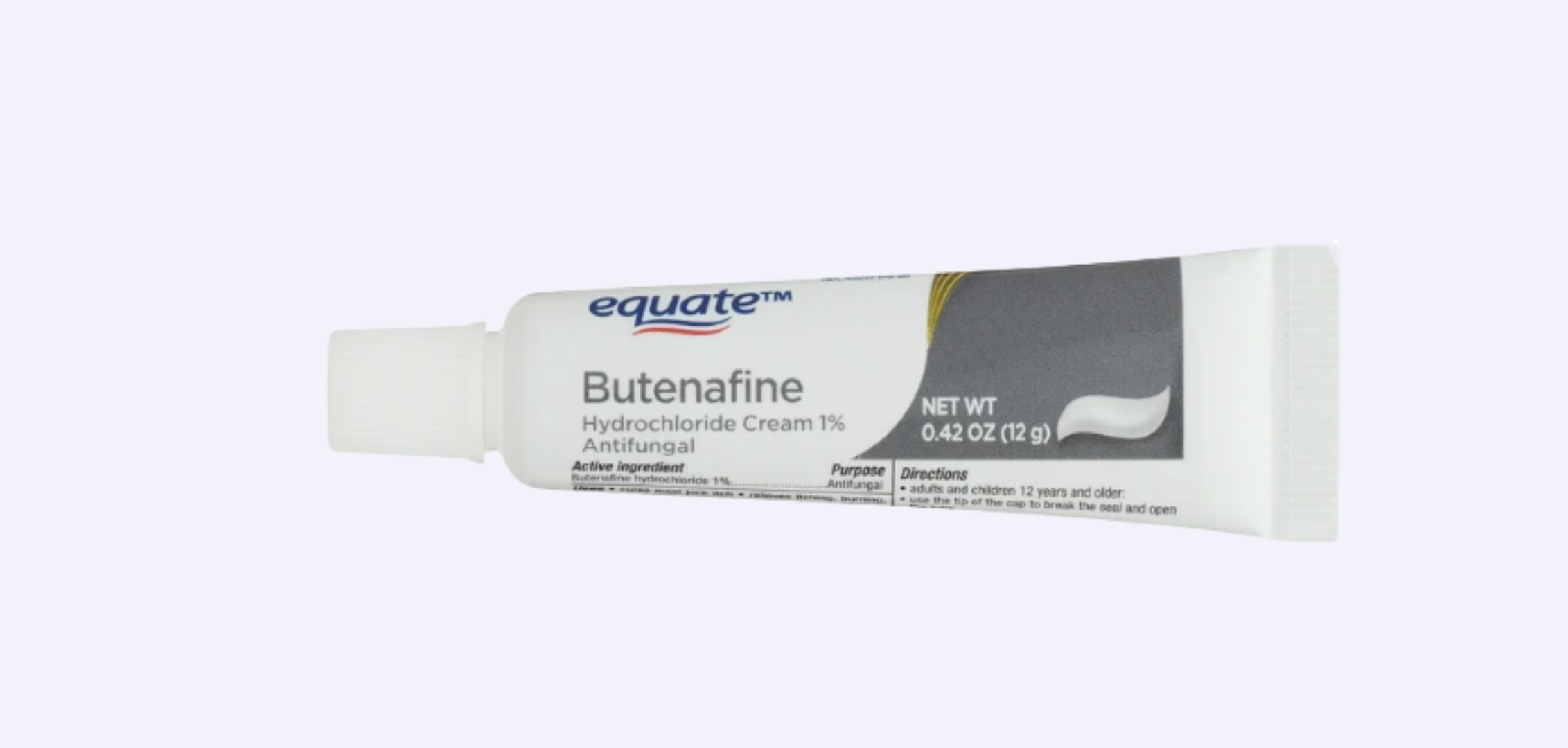
Butenafine
Oral and topical medications for yeast infections

Ketoconazole

ketoconazole cream

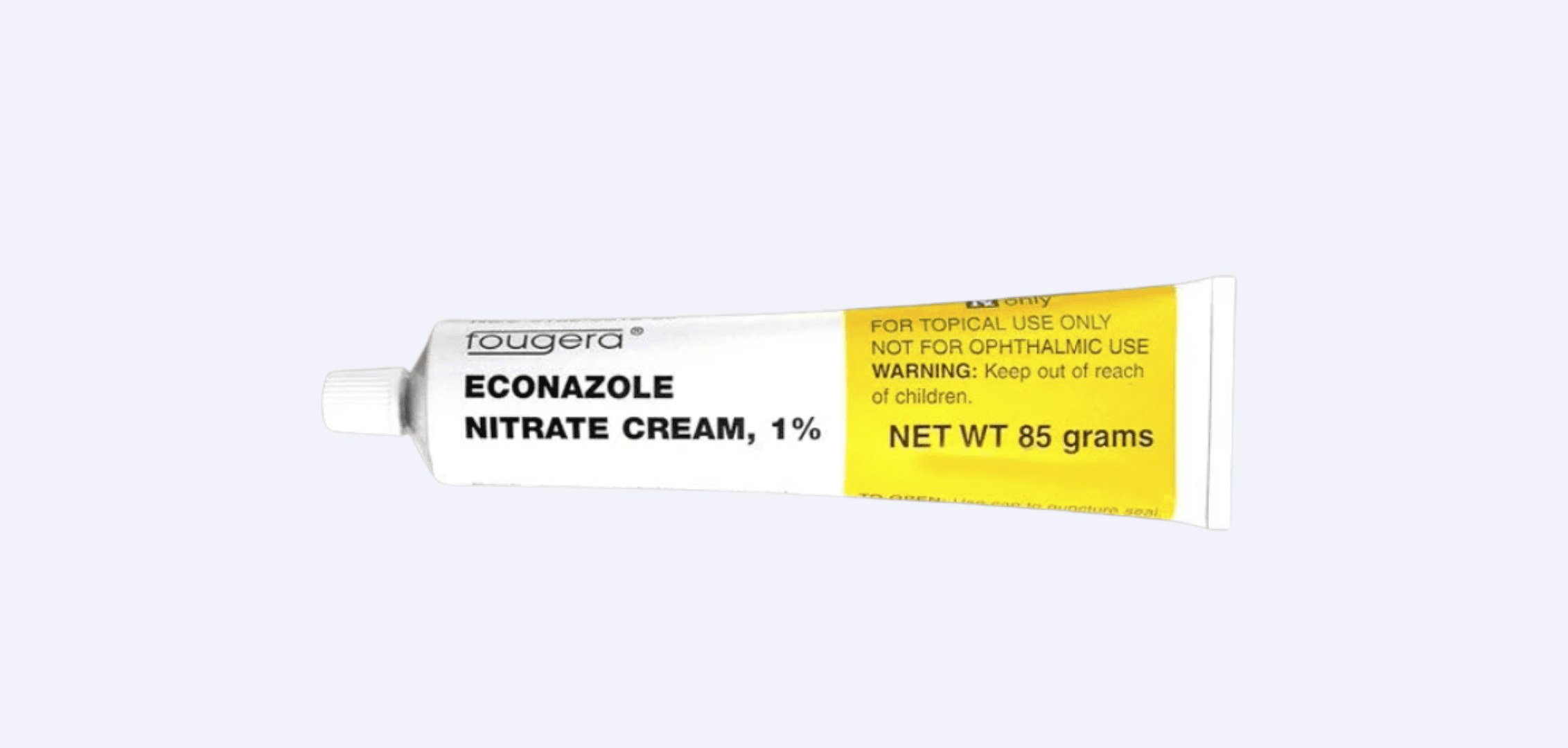
Econazole

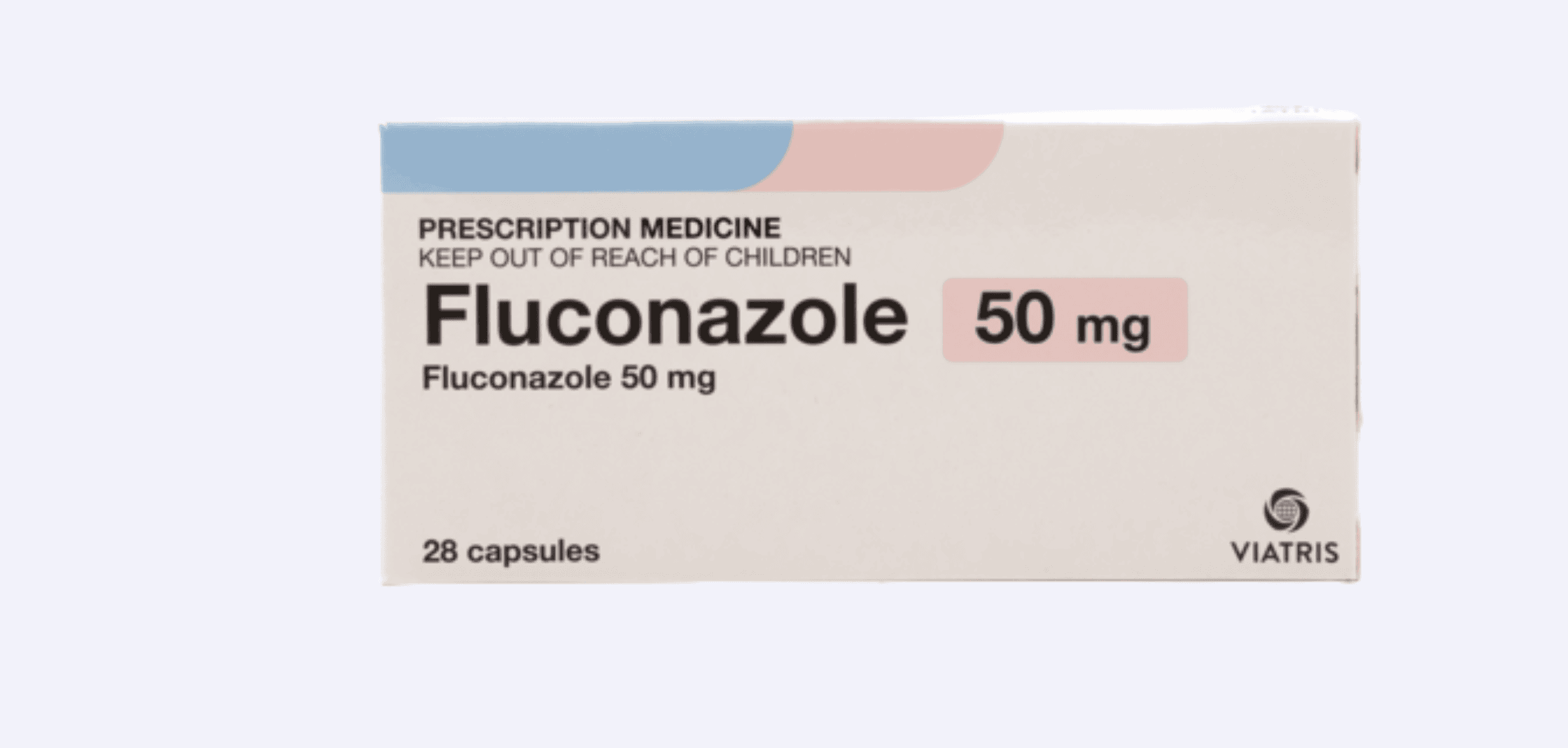
Fluconazole

Oral antifungal prescriptions for nail infections

Oral terbinafine

Fluconazole

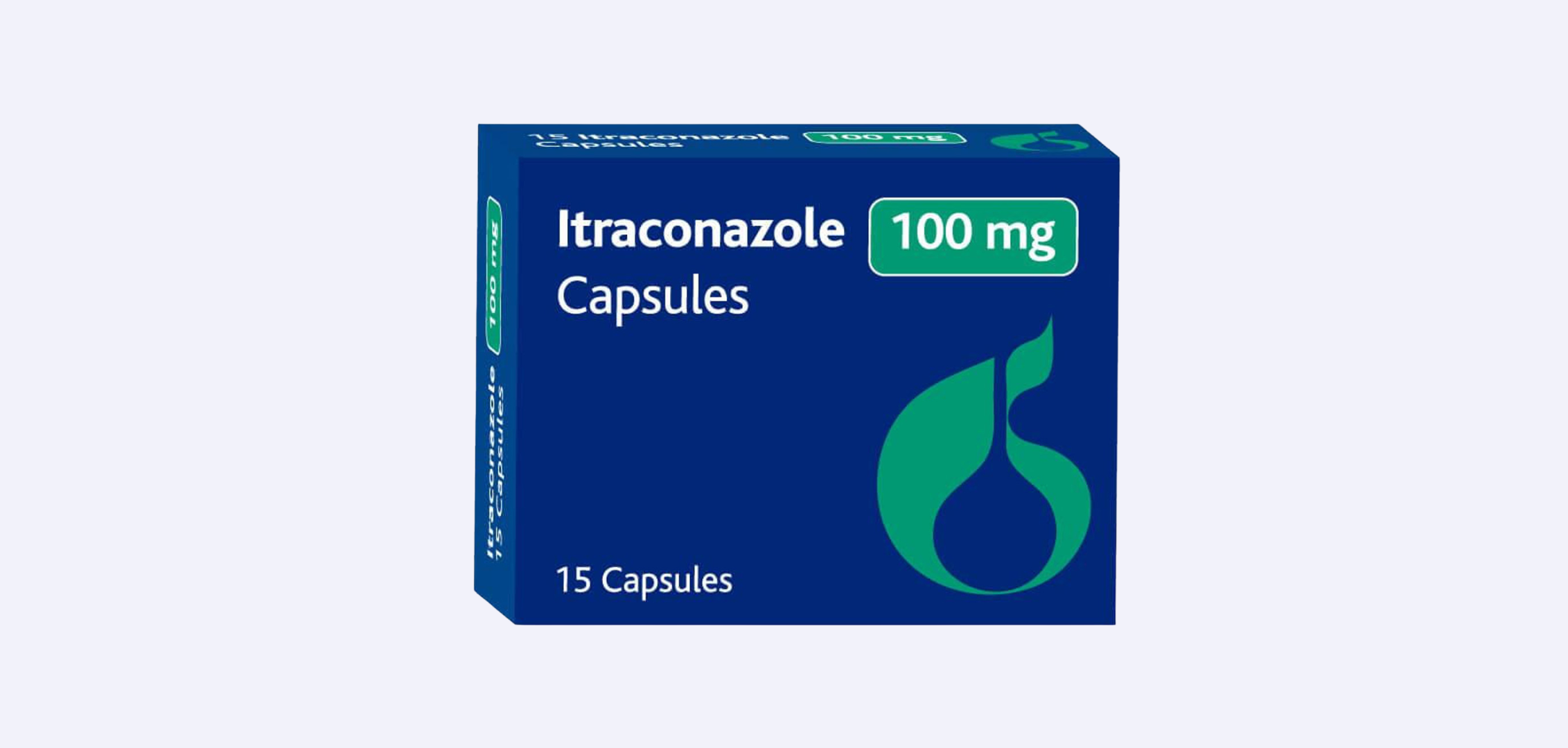
Itraconazole
Do I need a prescription for a fungal infection on the skin

If you have tried an over-the-counter cream and you did not respond to it, you probably need a prescription.

How can I get a prescription for an anti-fungal cream or tablets?

You can have a consultation with a dermatologist via Miiskin. They will evaluate your photos and your symptoms and will write you a prescription (if medically adequate). Consultations cost $59–$79, while returning patients pay $39–$49.

How to get my anti-fungal prescription?

Your dermatologists can issue prescriptions to any pharmacy in the country. To simplify things, you can choose Foothills as your preferred pharmacy and once your dermatologist issues your prescription, you can order it via Miiskin. Once payment is processed, Foothills will ship your medication.

Most Foothills formulas range from $48.99 – $68.99.

request antifungal creams

Meet the board-certified dermatologists

Miiskin partners exclusively with board-certified dermatologists who have helped more than 200,000 people through telehealth.

Get a clear overview of our dermatologists, including where they’re licensed to practice, their experience, specialties, typical response time, and number of telehealth consultations completed.

miiskin's dermatologists talk to each other

According to board-certified dermatologist Ryan Trowbridge, fungal infections are among the most commonly misdiagnosed and mistreated skin conditions. Many conditions, such as eczema and psoriasis, can closely resemble fungal infections, leading to diagnostic challenges. Even when the diagnosis is correct, inappropriate treatment is often selected due to the prescriber’s limited knowledge on the different antifungal medications and their specific applications.

Dr. Trowbridge says that the diagnosis of a fungal infection can often be made based on a visual evaluation alone, provided the evaluator has extensive training and knowledge of the appearance of fungal infections and their common mimics. A board-certified dermatologist with telemedicine expertise can use clinical images and patient history to make an educated diagnosis. In some cases, this may be confirmed with tests like microscopic examination of skin scrapings, histopathology, culture, or molecular studies, though these may increase costs and take longer.

Fortunately, antifungal medications are safe to use which is why treatment can often be initiated without laboratory confirmation if the provider is confident in the diagnosis.

Mobile App to track mole changes

How does it work?

  1. Start consultation to get a diagnosis and treatment for your fungal infection.
  2. Get an answer from an online dermatologist in your state.
  3. Buy your medication at a pharmacy nearby and start treatment.

Frequently asked questions about consulting a dermatologist for fungal infections

Dr. Ryan Trowbridge answers the most popular questions about fungal infections.

You should consult a dermatologist for a fungal skin infection if it doesn’t improve with over-the-counter antifungal treatments, keeps recurring, spreads, becomes painful, or affects sensitive areas like the face, scalp, nails, or groin. A board-certified dermatologist is a medical doctor who has completed medical school and several additional years of specialized training in diagnosing and treating skin conditions, which can be especially valuable for persistent, severe, or complicated infections. Their advanced medical training allows them to accurately distinguish fungal infections from similar-looking conditions and prescribe the most effective topical or oral treatments to ensure proper and lasting resolution.

If you dermatologist prescribes a medication that is not available on Foothills pharmacy, they will send your prescription to a local pharmacy near you so you can buy it there.

Fungal infections on the skin are caused by fungi that thrive in warm, moist environments, making areas like skin folds, feet, groin, and scalp particularly susceptible. The most common culprits are dermatophytes (causing conditions like ringworm and athlete’s foot), yeasts (such as Candida, leading to candidiasis), and occasionally molds.

Yes, they are contagious as these fungi spread through direct contact with infected people, animals, soil, or contaminated objects like towels or shoes. Factors such as poor hygiene, excessive sweating, tight clothing, a weakened immune system, or prolonged exposure to damp environments increase the risk of developing fungal infections.

To avoid spreading a fungal infection on the skin, it is important to maintain proper hygiene and limit contact with others until the infection is treated. Keep the affected area clean and dry, as fungi thrive in moist environments. Avoid sharing personal items like towels, clothing, socks, or shoes. Wear breathable, loose-fitting clothing and footwear to minimize sweating and moisture buildup. Wash your hands regularly, especially after touching the infected area, and disinfect surfaces or objects that may have come into contact with the infection. Treat the infection promptly with antifungal medication to reduce the risk of spreading it further.

Antifungal medications work by targeting specific components of fungal cells, disrupting their ability to grow and survive. They often focus on ergosterol, a key part of fungal cell membranes, either by blocking its production (like clotrimazole) or binding to it (like terbinafine), leading to cell death. Other antifungals weaken the fungal cell wall, while other drugs prevent its replication. By exploiting these weaknesses, antifungals effectively treat infections with minimal harm to human cells.

Fungal skin infections typically appear as red, scaly, and itchy patches with well-defined edges. They may also have a ring-like pattern (like ringworm) or show discoloration (like in the case of tinea versicolor). The affected area can sometimes crack, peel, or form blisters in more severe cases.

Fungal skin infections are treated with topical antifungal medications like terbinafine, clotrimazole, or miconazole. For more severe or resistant infections, oral antifungal medications such as terbinafine or itraconazole may be necessary. Maintaining cleanliness and dryness of the affected area also helps speed up healing.

A fungal rash is often itchy, scaly, and has a distinct border, sometimes with a circular pattern. Bacterial rashes are more likely to be swollen, warm, tender, and may ooze pus. A dermatologist can confirm the type through a virtual or in-person examination.

Conditions like eczema, psoriasis, contact dermatitis, and seborrheic dermatitis can mimic fungal infections. In some cases, bacterial infections or even allergic reactions may look similar, making proper diagnosis by a dermatologist essential for effective treatment.

Topical creams like terbinafine (Lamisil), clotrimazole (Lotrimin), and miconazole (Micatin) are effective at killing skin fungi. They work by disrupting the fungal cell membranes, leading to the death of the infection-causing fungi.

Fungal infections are identified by red, scaly, itchy, or ring-shaped lesions on the skin. If in doubt, a dermatologist may confirm the diagnosis by sending a sample for a fungal culture to a laboratory to pinpoint the exact cause.

Fungal infections usually have defined, scaly borders and cause persistent itching or burning. General rashes, like those from allergies or irritation, tend to be more diffuse, lack scaling, and often respond quickly to soothing creams. Observation and testing help confirm the cause.

Terbinafine cream (Lamisil) is one of the best treatments for skin fungal infections due to its quick action and high cure rate. Clotrimazole and miconazole are also effective alternatives, especially for mild to moderate infections.

Terbinafine is widely considered the most effective topical antifungal, with its ability to kill fungi faster and more thoroughly. It is particularly useful for conditions like athlete’s foot, jock itch, and ringworm.

No, Neosporin is not an antifungal cream; it is an antibiotic that treats bacterial infections. For fungal infections, antifungal creams such as clotrimazole, miconazole, or terbinafine should be used instead.

Oral antifungal medications like itraconazole or terbinafine are among the strongest for severe infections. For topical treatments, terbinafine is highly effective against common skin fungi and is often preferred for its fast action.

EXPLORE ARTICLES