Minoxidil over the counter (OTC): Can you get it?
Do you want to know if minoxidil, a popular hair loss medication, is available over the counter (OTC)? Keep reading to find out the steps you need to take in order to get it.

Table of Content:
Can you get oral minoxidil OTC? | Do you need a prescription to get minoxidil? | What is oral minoxidil used for? | Topical minoxidil and finasteride | Topical spironolactone and minoxidil | How does it work? | Advantages | Side effects | Warning

Our commitment to producing high-quality content:
The information presented in this article is based on scientific research and the professional advice of our Content Medical Reviewers, who are experts in the field of Dermatology. How we write our content →
Can you get minoxidil over the counter (OTC)?
It depends on the formulation. Topical minoxidil (commonly known as Rogaine) with strengths of up to 5% is available over the counter. However, higher-strength formulations, such as minoxidil 10%, and combination therapies like topical minoxidil with finasteride (or topical minoxidil with dutasteride) for male hair loss, or topical minoxidil with spironolactone for female hair loss, require a prescription.
Do you need a prescription to get oral minoxidil?
Yes. In order to get minoxidil pills and tablets you need to have a doctor’s prescription as it is not available over the counter.
How to get a minoxidil prescription?
To get a prescription for oral minoxidil, you can have a consultation with a board-certified dermatologist via Miiskin and if they deem it adequate, they will issue a prescription. Consultation price is $59 and prescription refill visits are only $39.
While topical minoxidil is available without a prescription, working with a dermatologist can help you get the most out of it compare online hair loss treatment services to find one that offers prescription-strength options too.
Is minoxidil often combined with finasteride for male hair loss?
Yes! Oral and topical minoxidil are often combined with finasteride or dutasteride for male hair loss because the two medications target hair loss through different mechanisms, enhancing overall effectiveness. Minoxidil stimulates hair follicles to promote growth, while finasteride reduces dihydrotestosterone (DHT), a hormone that shrinks hair follicles and contributes to male pattern baldness. Using them together can provide a synergistic effect, improving results while potentially minimizing the systemic side effects associated with oral finasteride.
Is minoxidil often combined with spironolactone for female hair loss?
Yes! Oral and topical minoxidil are often combined with spironolactone for female hair loss to address multiple underlying factors contributing to hair thinning. Minoxidil promotes hair growth by increasing blood flow to hair follicles and extending the hair growth phase, while spironolactone reduces the effects of androgens like dihydrotestosterone (DHT) that can shrink hair follicles and trigger hair loss in women. This combination is particularly beneficial for women with androgenetic alopecia, offering a complementary approach to improve hair density and regrowth.
Want to know more about minoxidil for hair loss?
What is minoxidil used for?
Originally, the FDA approved minoxidil for the treatment of high blood pressure. However, when clinical studies revealed that it caused excessive hair growth in 60 to 80% of patients taking the medication, healthcare providers started to use it for hair loss at a low dose1.
Using minoxidil for hair loss has become quite popular since it is possible to obtain hair growth by taking a low dose, which minimizes side effects.
How does it work?
Minoxidil expands blood vessels in the scalp, enhancing blood supply to hair follicles. This could also boost the availability of essential nutrients, promoting hair regrowth.
Minoxidil also decreases the telogen (rest) phase of the hair growth cycle and increases the anagen (growth) phase. As a result, hair stays in a growing phase longer, leading to increased length, thickness, and scalp coverage.
Advantages of using minoxidil pills for hair loss include:
- Appropriate for individuals who have not experienced positive results with alternative treatments.
- Demonstrates a notable level of efficacy
- Suitable for both males and females
- Promotes the stimulation of hair regrowth
- Delays the progression of hair loss
- Compatible for concurrent use with other medications for hair loss
Adverse effects associated with minoxidil tablets encompass:
- Reduction in blood pressure
- Accumulation of bodily fluids, leading to water retention
- Occurrence of headaches and sensations of dizziness
- Palpitations and chest discomfort
- Swelling observed around the eyes, as well as in the feet or lower legs
- Development of hypertrichosis, characterized by excessive hair growth
- Potential disruption of normal sleep patterns, resulting in insomnia
Warning and precautions when using oral minoxidil
Individuals with heart disease should avoid the use of oral minoxidil. In some cases, it may be recommended alongside a diuretic to mitigate water retention or a beta blocker (a medication that eases the heart’s workload) to prevent reflex tachycardia. Additionally, there is a potential risk of developing pericardial effusion, which could advance to cardiac tamponade and worsen angina pectoris when using oral minoxidil..
While undergoing this treatment, it is recommended that you monitor both your heart rate and blood pressure. If you observe any alterations, it is advisable to consult your online dermatologist for guidance. Furthermore, it is advisable to periodically check your body weight while using the medication, and should you experience a weight gain exceeding 5 pounds or detect any swelling in your feet or legs, promptly inform your healthcare provider..
Avoid combining oral minoxidil with other medications used for appetite suppression, asthma, colds, coughs, hay fever, or sinus issues, as they have the potential to raise your blood pressure.
Furthermore, remember that if the minoxidil has been open for a long time, or if it is expired you should not take it. Read more about it in this article “Does minoxidil have an expiration date?“
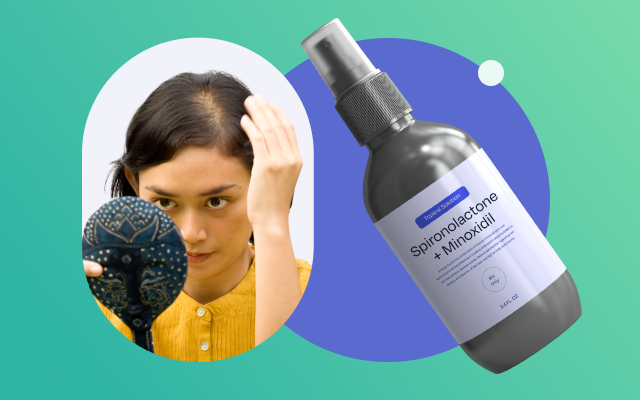
Understanding Hair Loss Treatments
Article References:
https://pharmaceutical-journal.com/article/news/how-minoxidil-was-transformed-from-an-antihypertensive-to-hair-loss-drug
https://pubmed.ncbi.nlm.nih.gov/32516434/
https://www.ncbi.nlm.nih.gov/books/NBK499948
https://www.mdpi.com/1422-0067/19/3/691
https://www.ncbi.nlm.nih.gov/pmc/articles/PMC6691938/
https://www.sciencedirect.com/science/article/abs/pii/S0190962221004187
https://www.aad.org/dw/dw-insights-and-inquiries/archive/2022/low-dose-oral-minoxidil-alopecia
https://www.ncbi.nlm.nih.gov/pmc/articles/PMC7649170/
https://www.pdr.net/drug-summary/Minoxidil-minoxidil-774
https://www.mayoclinic.org/drugs-supplements/minoxidil-oral-route/precautions/drg-20068757
Skin conditions and treatments
Articles written in collaboration with dermatologists
Top acne treatments for teens and young adults
Facial treatment for seborrheic dermatitis
How to get rid of rosacea permanently?
How to calm a rosacea flare-up fast?
Spongiotic dermatitis: What is it and what is the best treatment?
A dermatologist’s guide to psoriasis medication
 Request a prescription for hair growth!
Consult a dermatologist →
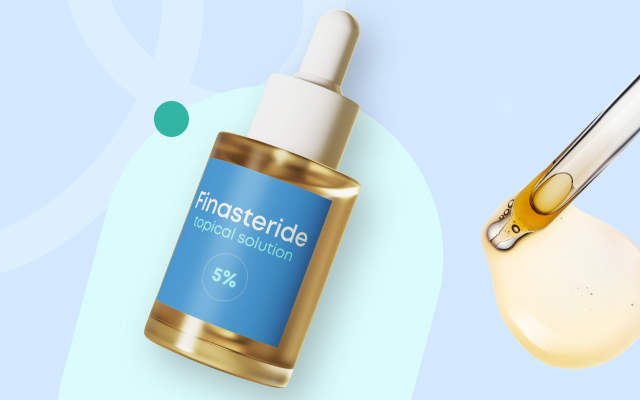
Medications for Hair Loss: What You Should Consider