
Hirsutism treatment online
*Average online dermatologist response time from July-September 2026: 18.6 hours
- Board-certified dermatologists
- No medication subscriptions
- Choice of generic or customized formulas
Medications often prescribed by dermatologists for hirsutism.
- Spironolactone
- Finasteride
- Eflornithine
- Oral contraceptives
Table of Content:
How to consult a dermatologist? | What is hirsutism? | Signs and symptoms of female hirsutism | What causes hirsutism | Can you get a hirsutism treatment online? | Available treatments | Pregnancy precautions | See available dermatologists | FAQ
Last updated, October 2026
How to consult an online dermatologist for hirsutism?
You can consult a board-certified dermatologist online for hirsutism (excessive hair growth in women) treatment through Miiskin. After reviewing your photos and medical history, your dermatologist can recommend a treatment plan based on your needs and preferences, including FDA-approved medications or a customized formula.

Submit your skin concern
Describe your concern, answer a brief medical questionnaire, and upload your photos.

Dermatologist review
A board-certified dermatologist licensed in your state reviews your information and photos.

Get your treatment plan
Receive your treatment plan. Choose delivery or pickup at your preferred pharmacy.
What is hirsutism?
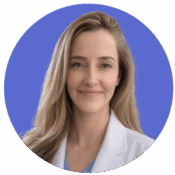
Hirsutism is excessive growth of dark, coarse hair in women in areas where this type of hair is typically more common in men, such as the face, chin, chest, abdomen, back, and inner thighs.
Hirsutism is often associated with higher levels or increased activity of androgens, such as testosterone. It can occur for no particular reason or as a symptom of an underlying hormonal condition, particularly polycystic ovary syndrome (PCOS)1.
Hirsutism itself is not harmful, but rapid onset/progression, deepening voice, increased muscle mass, clitoromegaly, or other signs of virilization may warrant further evaluation. A dermatologist can assess your hair growth and recommend treatment to help reduce unwanted facial or body hair. If your symptoms suggest an underlying hormonal condition, they may also recommend additional testing or evaluation by another healthcare professional.
Signs and symptoms of female hirsutism
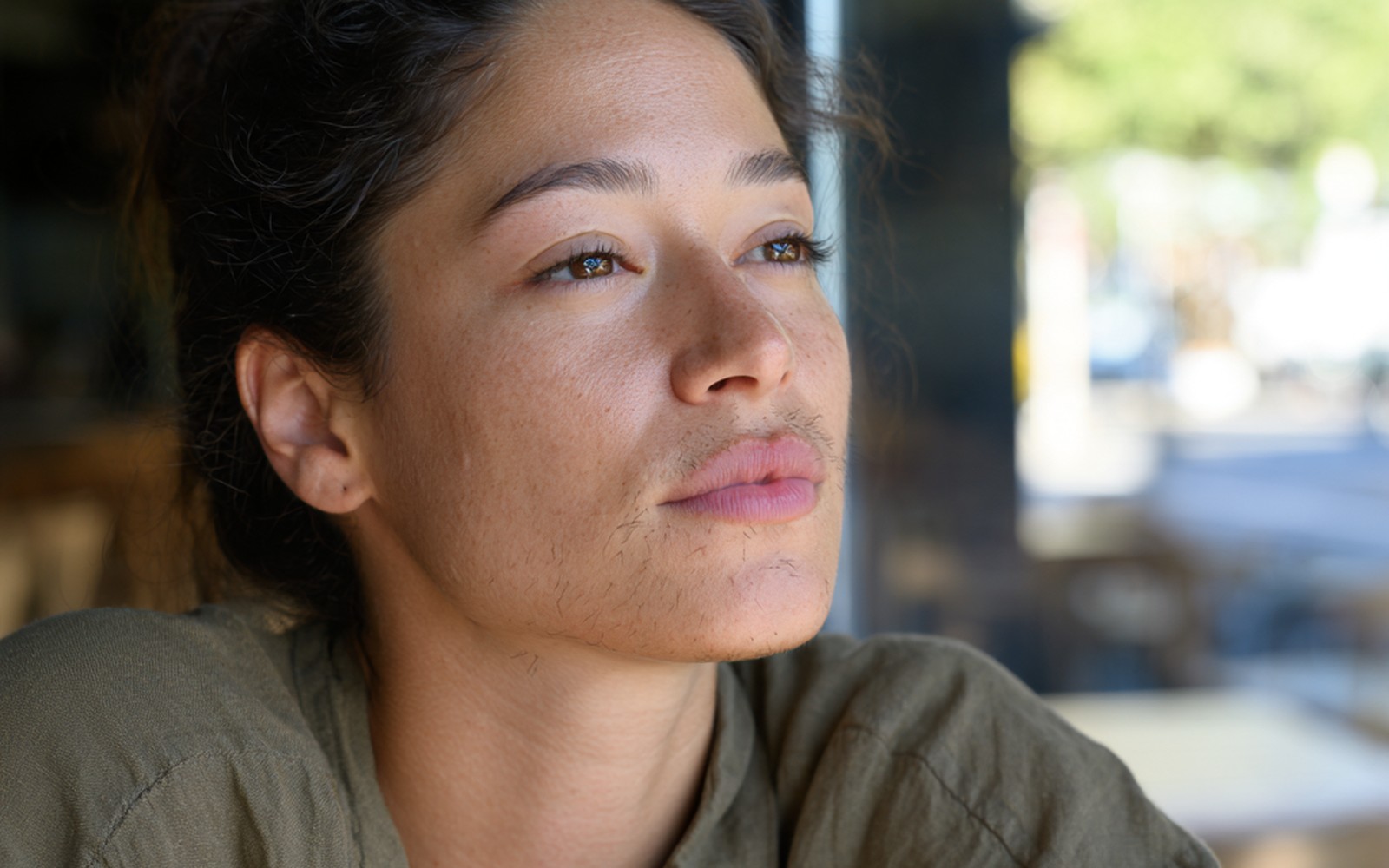
The main sign of hirsutism is excessive growth of coarse, dark hair in areas where women typically have little or fine hair. It commonly affects the upper lip, chin, jawline, chest, abdomen, back, and inner thighs.
1. Coarse, dark hair
You may notice thicker, darker hair replacing the fine hair typically found on areas such as the face, chest, abdomen, back, or inner thighs.
2. Increased hair growth
Hair may gradually become thicker, more abundant, or spread to additional areas over time.
3. Acne or oily skin
Increased androgen activity may cause acne or increased oil production alongside excess hair growth.

4. Irregular periods
When hirsutism is related to a hormonal condition such as PCOS, periods may become irregular or absent.
5. Scalp hair thinning
Some women with androgen-related hirsutism may also notice thinning hair on the scalp. 2
What causes hirsutism (excessive hair growth in women)?
Excessive hair growth in women does not always mean that something is medically wrong. The amount and pattern of body hair can be influenced by genetics, ethnicity, age, and how sensitive your hair follicles are to androgens, hormones that are naturally present in women. Hormonal changes during perimenopause and menopause can also make coarse facial hair more noticeable. Genetics and ethnic background can influence the amount and pattern of facial and body hair.
In some women, hirsutism is associated with an underlying hormonal condition or certain medications. Possible causes and contributing factors include:
- Polycystic ovary syndrome (PCOS)
- Increased androgen levels or sensitivity to androgens
- Hormonal changes during perimenopause and menopause
- Cushing syndrome
- Family history and genetics
- Nonclassic congenital adrenal hyperplasia
- Rare ovarian or adrenal tumors3
- Certain medications, including testosterone, anabolic steroids, cyclosporine, minoxidil, danazol, and phenytoin
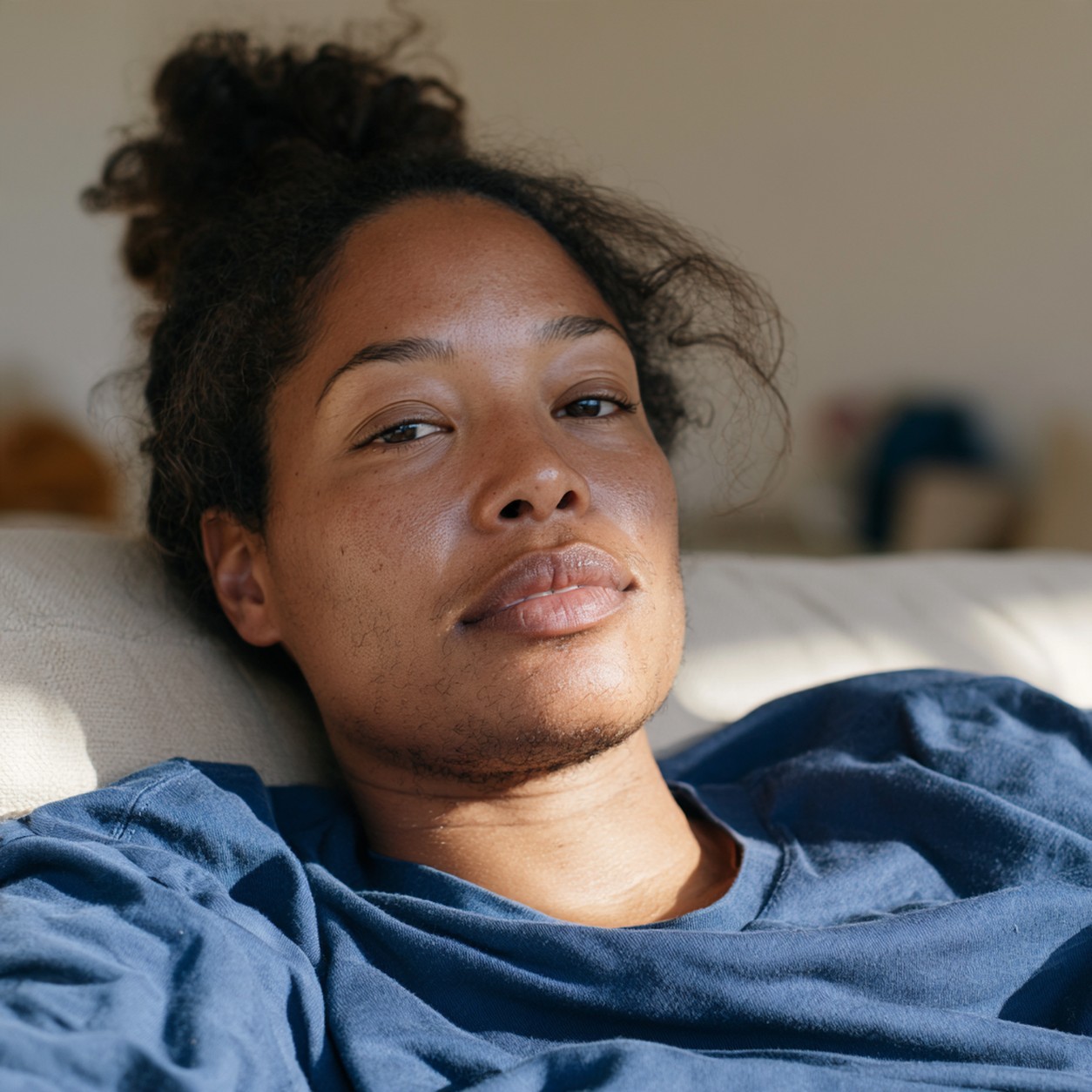

Hirsutism treatment options
Depending on your symptoms, medical history, and treatment needs, your dermatologist may prescribe an oral medication or a customized topical formula to help manage unwanted facial or body hair.

Oral medications
Standard prescription medications that may be used off-label to treat excessive hair growth. Your prescription can be sent to any local or online pharmacy you choose.
- Spironolactone (Generic Aldactone®)
- Finasteride (Generic Propecia®)
- Oral contraceptives
These medications are not FDA-approved specifically for hirsutism and are prescribed only when medically appropriate.
Customized topical formulas
Customized prescription formulas are prepared by Miiskin’s partner pharmacy for home delivery.
- Eflornithine Eflornithine can be included in a customized topical formula to help slow the growth of unwanted facial hair. Your dermatologist will determine whether a customized treatment is appropriate for you.
Customized medications are not reviewed or approved by the FDA for safety or effectiveness.

Pregnancy precautions for hirsutism treatment
Medications used to treat hirsutism should not be used during pregnancy because they can affect fetal development. This includes antiandrogen medications such as spironolactone and finasteride. If you could become pregnant, talk with your dermatologist about appropriate contraception while using these medications.
If you are pregnant, trying to become pregnant, or breastfeeding, tell your dermatologist before starting any oral or topical treatment for hirsutism. Your dermatologist can help you choose treatment options that are appropriate for you.
Meet the board-certified dermatologists
Miiskin partners exclusively with board-certified dermatologists who have helped more than 200,000 people through telehealth.
Get a clear overview of our dermatologists, including where they’re licensed to practice, their experience, specialties, typical response time, and number of telehealth consultations completed.

TrustPilot Reviews
Trusted by 20,000+ users
Hyperhidrosis Relief
“Every question I asked was answered by the next day, and my dermatologist made the whole process easy. I got the Glycopyrrolate 2% I needed sent straight to Foothills Pharmacy, and after years of dealing with sweating, I’m finally seeing real results.”
— Vivian Robaldo2 Years of Excellent Care
“I’ve been using Miiskin for over two years for my hair loss, and the minoxidil Dr. Anna Chacon prescribed has helped me a lot. The app is easy to use, response times are fast, and the pricing is very reasonable. I highly recommend it.”
— Ana RokhvadzeOutstanding and Efficient
“The process was efficient and straightforward. I submitted my consultation request and medical history at 9am and had a response from the doctor by noon the same day.”
— Gary RahnFantastic Discovery
“An in-person dermatology visit near me would have cost almost $250 out of pocket. With Miiskin, I paid about $160 total for the appointment and medication, and it was so much more convenient. I got a same-day appointment, sent in photos, and had a prescription ready within hours, delivered by Amazon Pharmacy in two business days. I don’t think I’ll go back to standard in-clinic care.”
— KathleenExcellent Service
“Dr. Anna Chacon was professional, knowledgeable, and responsive. She took the time to review my concerns, explained the treatment plan clearly, and made the whole process easy. I’d highly recommend her and Miiskin.”
— Chris KarchesReferences:
1https://www.mayoclinic.org/diseases-conditions/hirsutism/symptoms-causes/syc-20354935
2https://www.mayoclinic.org/diseases-conditions/hirsutism/symptoms-causes/syc-20354935
3https://www.endocrineharmony.sg/conditions/excessive-hair-growth-in-females-hirsutism/
 Concerned about excessive hair growth?