
Get an Azelaic acid 15% prescription
*Average online dermatologist response time from July-September 2026: 18.6 hours
- Board-certified dermatologists
- No medication subscriptions
- Choice of generic or customized formulas
Azelaic acid is commonly prescribed by dermatologists as part of treatment for the conditions below.


What is azelaic acid and what is it used for?
Azelaic acid (also known by its brand name Finacea) is a topical medication used to treat several skin conditions due to its antibacterial, anti-inflammatory, and keratolytic (exfoliating) properties. It works by reducing the growth of bacteria in the pores of the skin and decreasing the production of keratin1.
- Acne: It helps in reducing the growth of bacteria in the follicles and pores, and decreases the production of keratin, a natural substance that can lead to the development of acne2.
- Rosacea: For those with rosacea, azelaic acid can help reduce inflammation and redness on the skin3.
- Melasma: It can be used to lighten dark patches on the skin (hyperpigmentation) caused by melasma4.
- Keratosis pilaris: Some healthcare providers may prescribe azelaic acid to manage keratosis pilaris (also referred to as chicken skin) in the face, a condition characterized by rough, bumpy skin, although it is not a standard treatment for this condition5.
Benefits of Azelaic Acid 15%

Anti-inflammatory properties

Regulates sebum production

Antibacterial effects

Suitable for sensitive skin
Your dermatologist, your formula
Through Miiskin, board-certified dermatologists may prescribe personalized compounded skincare solutions, tailored with up to 5 active ingredients.
Patients can discuss a variety of ingredient options with their dermatologist to decide what is right for them.
No subscriptions. No hidden charges. You pay only when you receive treatment.
Important Disclaimer: Compounded medications are not reviewed by the FDA for safety or efficacy.


Get an azelaic acid 15 prescription via Miiskin
- Select “Start consultation” to sign up.
- Fill out the consultation form and take photos of your skin.
- An independent dermatologist will prescribe azelaic acid 15 to you, if medically appropriate.
- Buy azelaic acid 15 affordably from the pharmacy of your choice.
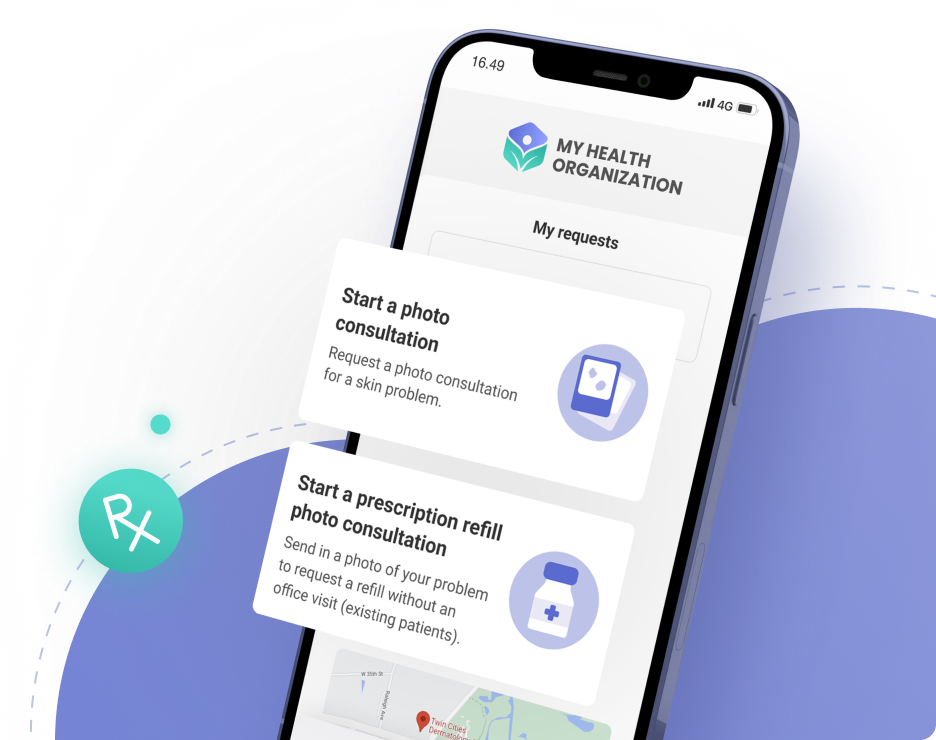

Process to getting a prescription for Azelaic acid 15% gel
You will connect with a dermatologist via an online consultation. Upon reviewing your case, if the dermatologist determines that azelaic acid gel is safe and appropriate for you, they will issue a prescription to the pharmacy of your choosing.
Azelaic acid 15% gel vs azelaic acid 15% cream
Azelaic acid 15% is available in both gel and cream formulations, each suited for different skin types and concerns. The gel is lightweight, dries quickly, and is ideal for oily or acne-prone skin as it helps reduce excess oil and absorbs without leaving residue. The cream formulation, on the other hand, is more hydrating, making it better suited for normal to dry or sensitive skin. Both deliver the same 15% concentration of azelaic acid, helping to treat acne, rosacea, and hyperpigmentation, but the choice between gel and cream often depends on individual skin type and texture preference.
Side Effects of Azelaic Acid 15%
- Dryness
- Redness
- Peeling
- Skin irritation
- Burning
- Stinging6
Provider & Prescription Information
Miiskin connects patients with independent dermatologists who provide care through their private practices. Compounded prescriptions can be ordered via Miiskin and are dispensed by Foothills pharmacy. Generic prescriptions can be filled at any local or online pharmacy.
References:
1https://pubmed.ncbi.nlm.nih.gov/24280644/
2https://pubmed.ncbi.nlm.nih.gov/24280644/
3https://pubmed.ncbi.nlm.nih.gov/18803456/
4https://pubmed.ncbi.nlm.nih.gov/8654129/
5https://pmc.ncbi.nlm.nih.gov/articles/PMC8528166/
6https://www.mayoclinic.org/drugs-supplements/azelaic-acid-topical-route/description/drg-20062084
 Want an azelaic acid 15% prescription?